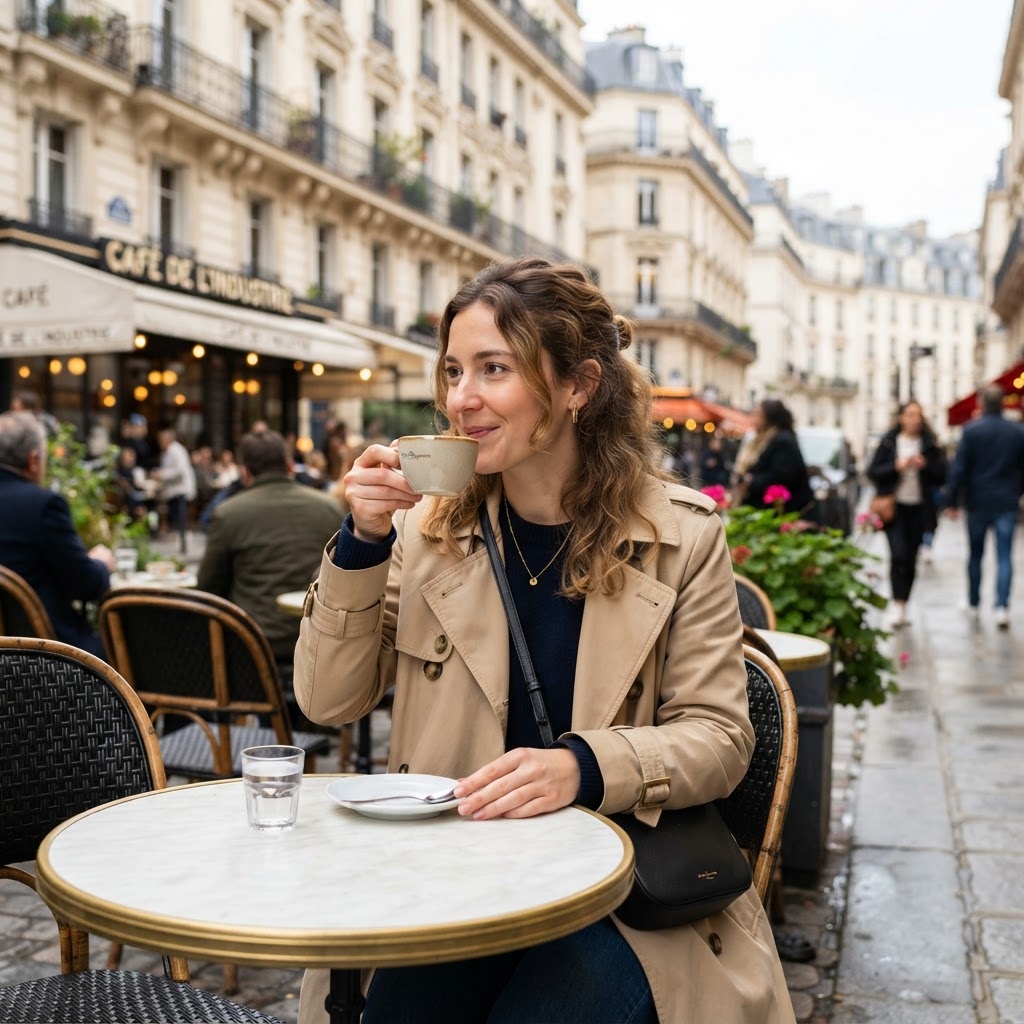
Elegant European Street Aesthetic: Paris Morning Café Walks
To master the elegant European street aesthetic, you must adopt a “slow morning” philosophy characterized by intentional stillness, a neutral fashion palette, and finding neighborhood cafés that prioritize atmosphere over efficiency. This lifestyle involves trading digital distractions for sensory observation, focusing on high-quality, local coffee rituals rather than rushed productivity.
The Philosophy of the Slow Morning
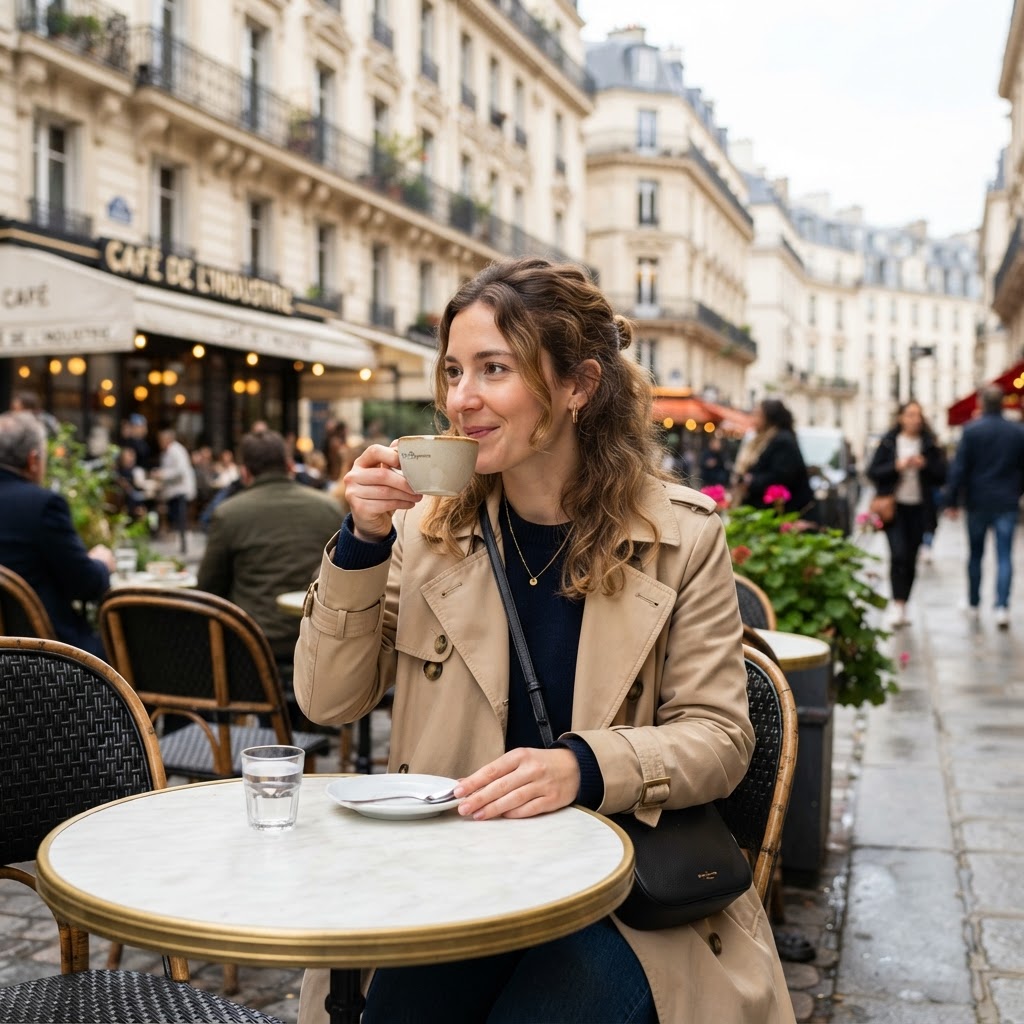
The allure of a Parisian morning café walk lies in the intentional rejection of efficiency as the ultimate virtue. In a world obsessed with productivity, the French approach treats the morning coffee as a sacred, meditative act, transforming a daily habit into a 30-to-60 minute grounding ritual. It is not about fuel for the workday; it is about grounding oneself in the environment, observing the movement of the city, and savoring the quiet moments before the chaos takes hold. Research suggests that slow-living practices can lower cortisol levels, and by spending at least 20 minutes undistracted in a public space, you significantly increase your psychological sense of well-being and environmental connection.
Embracing Intentional Stillness
To adopt this aesthetic, one must prioritize the sensory experience over the digital distraction by choosing a café with outdoor seating, preferably facing the street. This isn’t just for comfort; it is a front-row seat to the daily theater of life where you can witness the 7:00 AM to 9:00 AM peak of urban awakening. As you sip your café au lait, allow your eyes to wander. Notice the textures of the stone, the soft palette of the city colors, and the deliberate pace of local patrons. By keeping your phone tucked away, you remain present, which research indicates improves observational memory and reduces social anxiety. This “observational presence” is exactly what separates a tourist from a resident.
Mastering the Parisian Street Style
Fashion is an integral component of the European street aesthetic where elegance is synonymous with effortlessness, often referred to as ‘je ne sais quoi.’ The goal is to look polished without appearing as though you spent hours in front of the mirror, focusing instead on a “capsule” approach that emphasizes longevity over trend-chasing. Statistics in sustainable fashion show that investing in high-quality staples reduces wardrobe turnover by 40% annually.
The Essentials of Chic
Stick to a neutral color palette. Think crisp white shirts, well-tailored trousers, or a classic trench coat depending on the season. Accessories should be understated; a silk scarf, a structured leather bag, and perhaps a pair of minimalist ballet flats or loafers are perfect. The key is in the fit and the quality of the materials rather than overt branding. Below is a quick comparison of essential items for the aesthetic:
Walking with Purpose
Your gait should reflect the atmosphere of the morning. Parisian street style is about moving with confidence and ease. Do not rush. Walk at a pace that allows you to absorb the architectural details—the wrought-iron balconies, the ornate street lamps, and the vibrant flower boxes that adorn so many windowsills. A leisurely pace is generally defined as 2.5 to 3 miles per hour, allowing you to scan the environment in 360 degrees while maintaining a posture that conveys self-assurance.
Choosing the Perfect Café Location
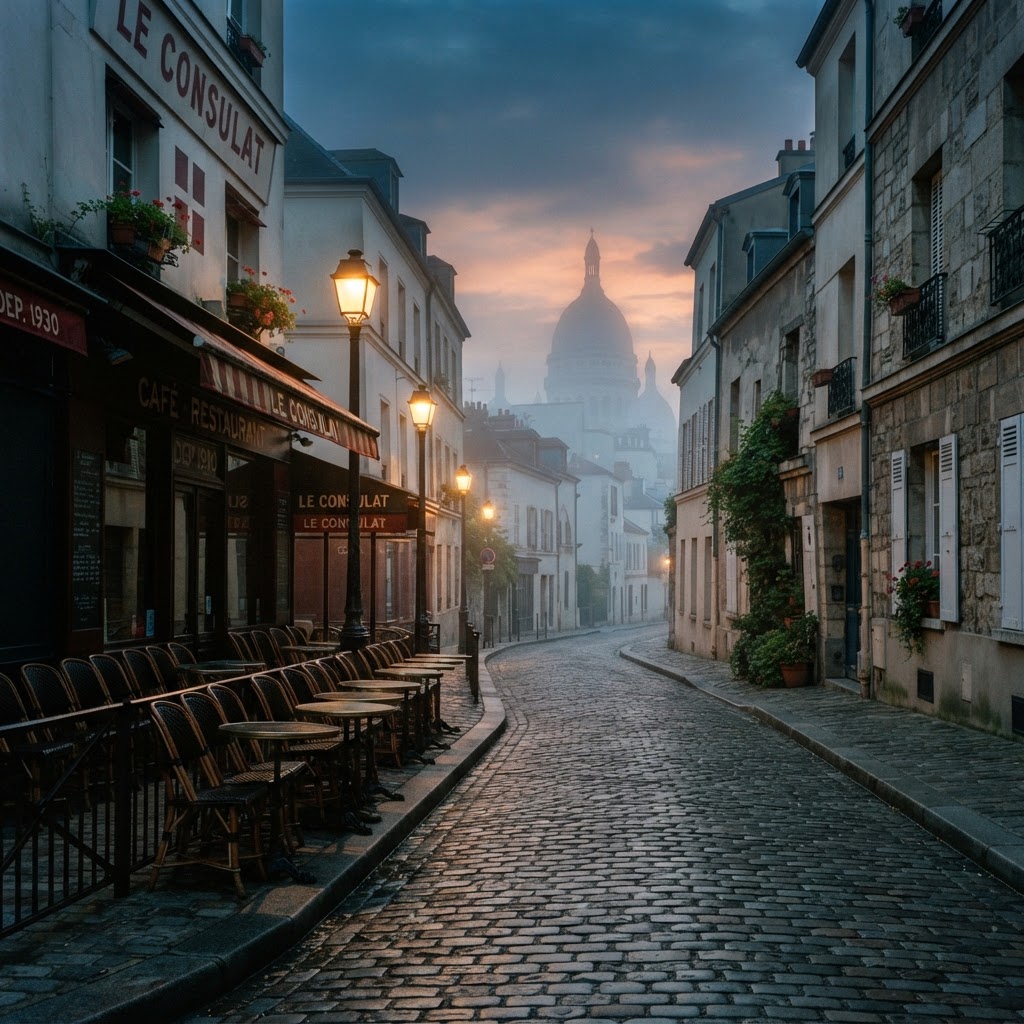
Not all sidewalk cafés are created equal, and to truly embody the elegant European street aesthetic, you must look for establishments that feel like part of the neighborhood fabric rather than tourist traps. The best spots are often tucked away on side streets, away from the loud main boulevards, where the waiter knows the regulars by name and the menu hasn’t changed in a decade. Look for places with 4.5+ star ratings on local platforms that specifically mention “neighborhood atmosphere” and “no rush” service.
What to Look For
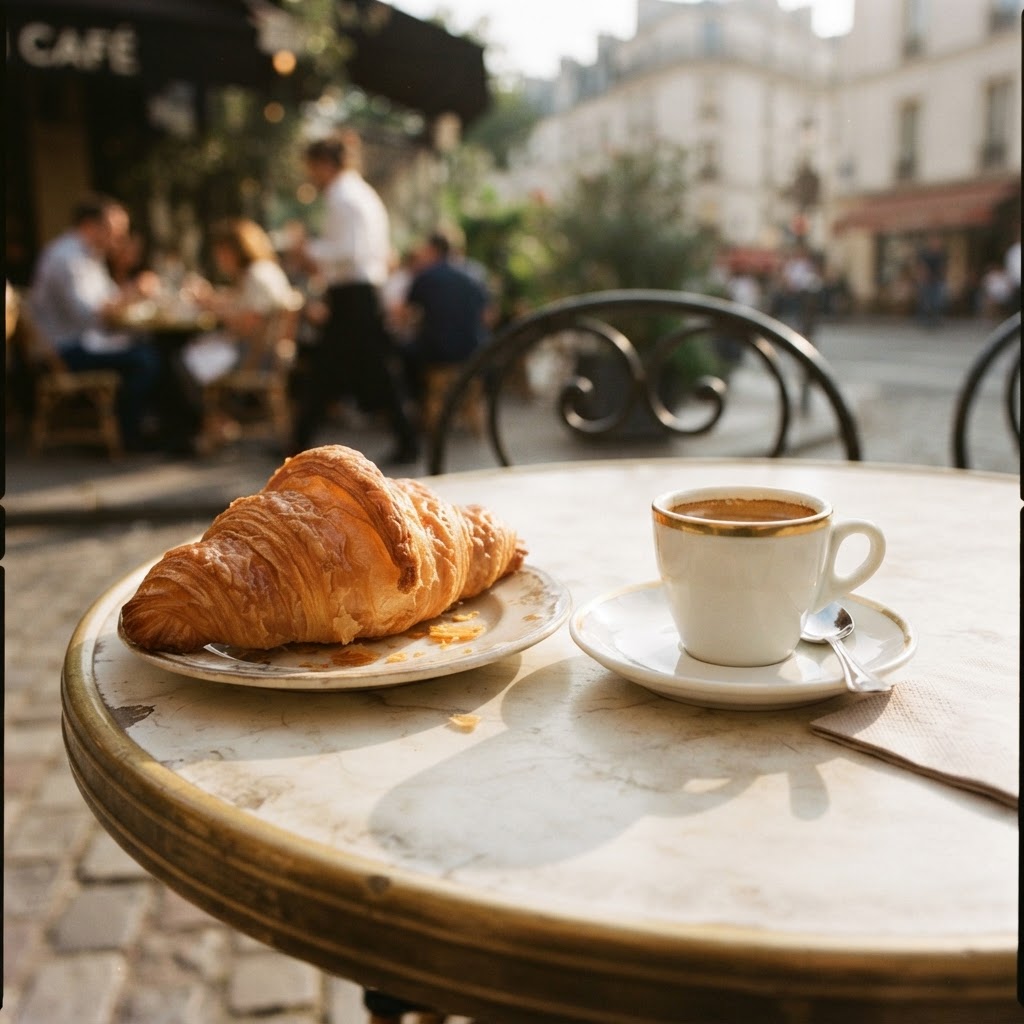
Seek out cafes that offer traditional wicker chairs and marble-top tables; these are the classic markers of a historic Parisian institution. The menu should be simple—focus on high-quality coffee, fresh pastries like pain au chocolat, and maybe a simple tartine with butter and jam. Avoid venues with overly cluttered signage or massive digital menus; the beauty is in the timelessness. Below is a comparison to help you identify a quality venue:
The Sensory Experience of the Morning Walk
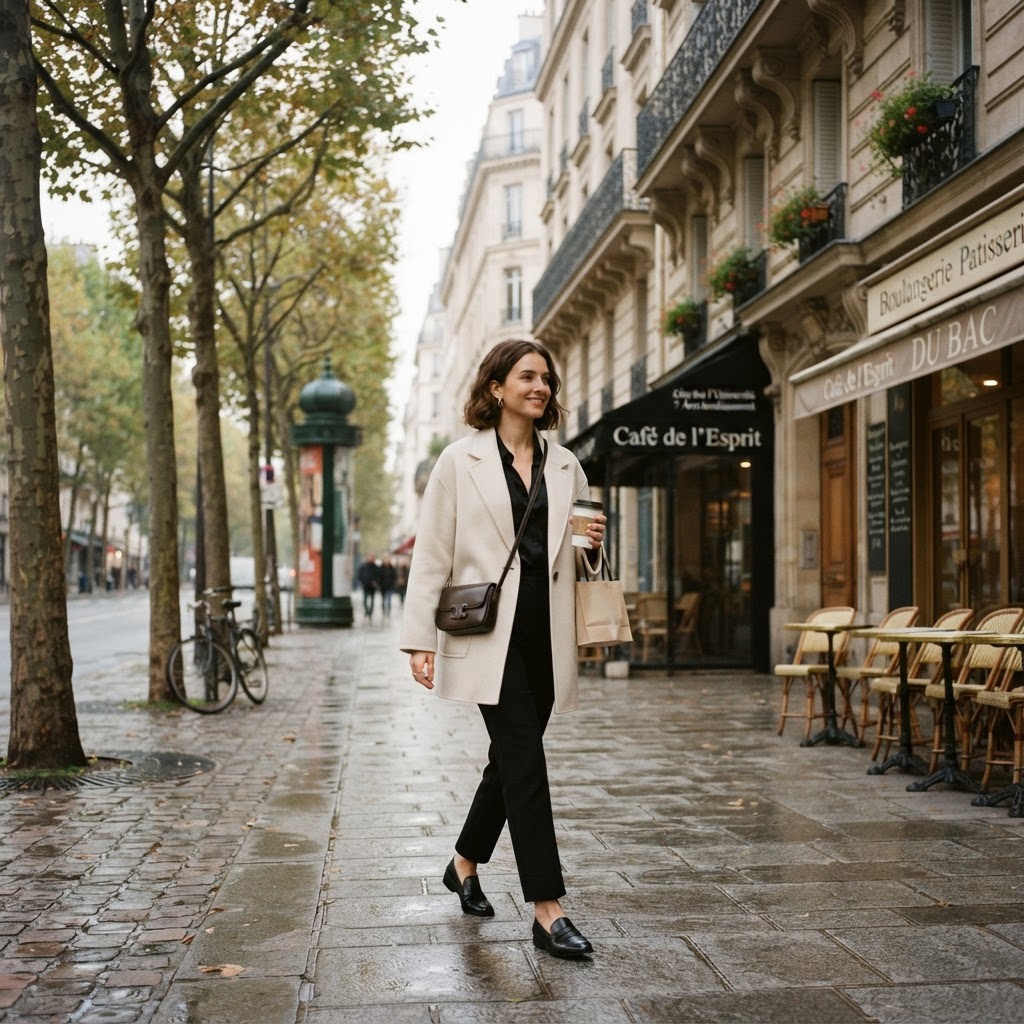
There is a specific cadence to the sounds of a Paris morning, where the distant rumble of the Metro, the rhythmic sweeping of the street cleaner, and the low hum of muffled conversations create a symphony of urban peace. Engaging with these sounds is part of the charm of the European street aesthetic. Scientific studies on soundscapes show that natural and ambient urban sounds (the “white noise” of a quiet city) can improve cognitive performance and induce a state of relaxed alertness, which is why your morning walk is the best time for mental clarity.
Sensory Anchoring
Use your morning walk to practice sensory anchoring. Feel the texture of your coffee cup, notice the warmth of the sun on your skin, and inhale the scent of the city. By consciously noting these details, you transform a simple habit into a ritual. This habit of ‘being present’ is the cornerstone of the slow living philosophy that many dream of experiencing in Europe. Practicing this for just 5 minutes of your walk can train your brain to drop into a “flow state” faster throughout the remainder of your day.
Cultivating the Aesthetic in Your Daily Life
One does not need to live in Paris to adopt the elegant European street aesthetic. You can recreate the spirit of a Parisian morning in almost any city if you are willing to make the necessary adjustments to your routine. It starts with setting the intention to dedicate time to ‘the pause,’ which essentially means allocating a non-negotiable window in your schedule for your own well-being.
Bringing Europe Home
Find a local coffee shop that allows for outdoor seating and commit to visiting it once or twice a week without your phone. Bring a physical book or a journal instead. Dress with a bit more intention than you usually would for a quick coffee run. These small acts elevate the routine from a mere task to a luxurious experience that replenishes your energy. By treating your local café visit with the same reverence one would give to an appointment, you create a psychological boundary that protects your morning peace.
Documenting Your Aesthetic Journey
If you find yourself wandering the streets of Paris, capturing the aesthetic is part of the joy, but you should avoid the temptation to document every second through a lens. Instead, take a few high-quality, thoughtful photos that encapsulate the atmosphere. Focus on light, shadows, and the interplay between people and the city architecture. Professional photographers often suggest the “golden hour” (the first hour after sunrise) to capture the soft, warm tones of limestone facades.
Composition Tips
Try shooting from a low angle to highlight the height of the buildings, or capture a candid shot of a waiter setting a table. The goal is to show the feeling of the morning rather than just the objects in it. Use natural morning light to enhance the soft, warm tones of the city’s limestone facades. By limiting yourself to 5-10 photos per walk, you ensure that you remain the protagonist of your morning rather than a documentarian.
FAQ
Q: What time is best for a Parisian morning café walk?
The optimal time is between 7:30 AM and 9:00 AM. This window allows you to witness the city transitioning from quiet stillness to the gentle hum of daily life before the midday tourist crowds arrive.
Q: Do I need a specific budget to maintain this aesthetic?
No, the aesthetic is based on intentionality rather than expense. By prioritizing one high-quality cup of coffee at a local establishment instead of several rushed take-out coffees, you can maintain the ritual for approximately $3 to $5 per day.
Q: How can I look like a local in Paris?
To look like a local, prioritize quality over quantity by wearing neutral-toned, well-fitted classic pieces like a trench coat or tailored trousers. Avoid sportswear, overly large logos, and rushed, hurried movements to blend into the effortless “je ne sais quoi” style.
Q: Is it rude to sit in a French café for a long time?
It is perfectly acceptable to sit at a café for an hour or more with a single drink. In French culture, the café table is considered “rented” by your purchase, and waiters generally respect your privacy and will not rush you to clear the table.
Leave a Reply