
Hidden Mews and Quiet Streets: Discovering London’s Aesthetic
London’s hidden mews streets and quiet residential lanes are former 18th-century stable blocks converted into luxury homes, characterized by cobblestone paths, ivy-clad facades, and historical architectural charm. These tranquil pockets, primarily located in Kensington, Chelsea, and Bloomsbury, offer a peaceful escape from the city’s busy thoroughfares while preserving unique Victorian and Georgian heritage.
The History Behind London’s Iconic Mews Streets
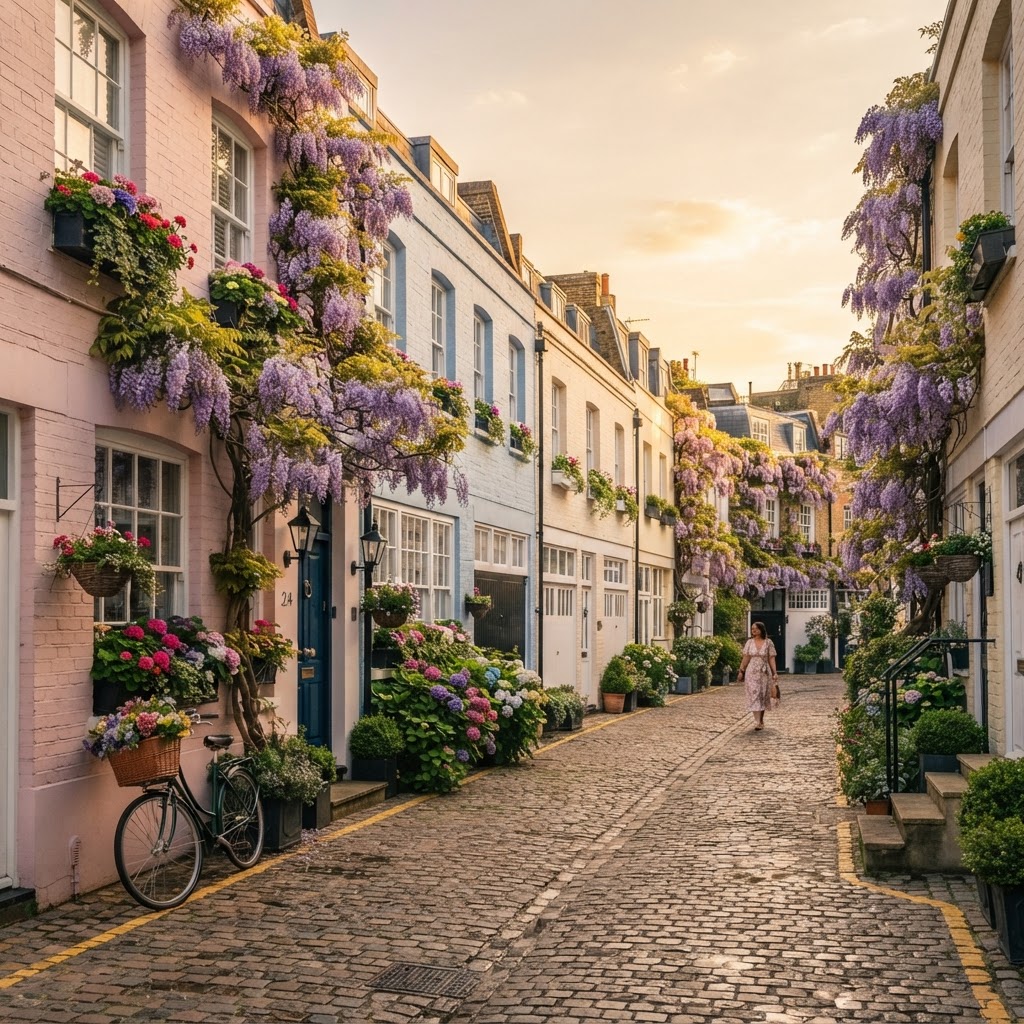
London’s mews streets originated between the 18th and 19th centuries as functional service lanes tucked behind the grand townhouses of the aristocracy. These narrow passages were specifically designed to house the horses, carriages, and grooms that served the wealthy residents living on the primary streets, effectively separating the utilitarian needs of the household from the main living quarters. By the mid-20th century, the rise of the automobile rendered these stables obsolete, sparking a massive wave of architectural conversions.
Today, these former carriage houses have been transformed into some of the most exclusive and expensive real estate in London, with many properties now commanding prices in the multi-million pound range. The conversion process necessitated creative design solutions to compensate for narrow footprints, often leading to the addition of light wells, internal courtyards, and minimalist, high-end interiors that contrast sharply with their rustic exteriors. The resulting aesthetic—a blend of 200-year-old cobblestones and bespoke modern architecture—makes them the ultimate expression of the London aesthetic. Below is a comparison of traditional mews versus quiet Georgian streets:
Why Mews Streets are the Ultimate Instagram Spots
Narrow mews streets provide a unique lighting environment that is highly coveted by photographers due to the soft, diffused natural light reflected off enclosed brick walls. This architectural enclosure minimizes harsh shadows, creating a flattering aesthetic for portraiture and architectural photography that is difficult to replicate in open urban spaces. Furthermore, because these streets are largely residential and restricted to local traffic, they provide a rare, uninterrupted background that remains free from the heavy crowds found in major tourist hubs.
To capture the best results while respecting the local environment, consider the following tactical advice for your photography sessions:
- Respect the residents: Always remember that these are private homes, not movie sets. Refrain from blocking access to driveways or peering into windows.
- Time it right: Arrive between 7:00 AM and 9:00 AM to capture the golden hour. Early mornings are statistically the quietest times, ensuring empty frames.
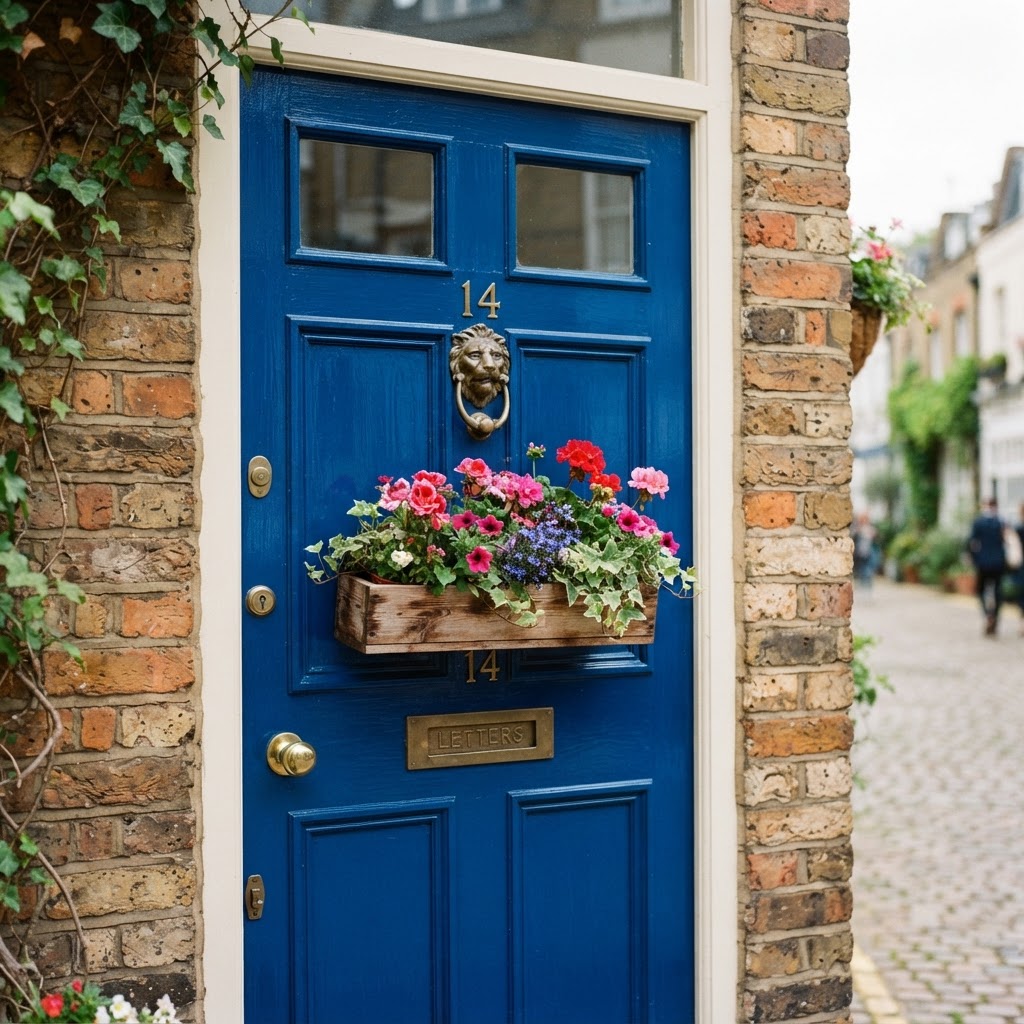
- Mind the textures: Utilize a macro lens or high-depth-of-field settings to focus on the contrast between rough historic cobblestones and the vibrant, high-gloss painted front doors.
- Seasonal Planning: Aim for late April for wisteria blooms or mid-October for deep autumn ivy colors, as these peaks significantly enhance the visual “aesthetic” quality of the photos.
Exploring the Best Mews in Kensington and Chelsea
Kensington and Chelsea remain the epicenter of London’s mews culture, containing the highest concentration of well-preserved historic stables in the city. Kynance Mews, situated near Gloucester Road, stands out as the most photographed location in the borough, famous for its dramatic seasonal transformations where wisteria and autumn foliage completely envelope the building facades. Another essential destination is Warren Mews, which provides a starkly different experience characterized by its crisp, minimalist aesthetic and white-painted brickwork that defines modern luxury real estate.
For those looking to explore effectively, look for the subtle architectural cues that distinguish these hidden pockets from the main thoroughfares. If you are walking down a major arterial road like Cromwell Road or Old Brompton Road, watch for the small, low-profile archways or narrow gaps between large houses. These are almost always the historical entrances to the mews. These streets act as the veins of the city’s affluent boroughs, offering a masterclass in urban density management and historical preservation. Because these areas are strictly residential, there are no public amenities; ensure you have everything you need before entering the labyrinthine lanes of the neighborhood.
Quiet Streets in Bloomsbury and Beyond
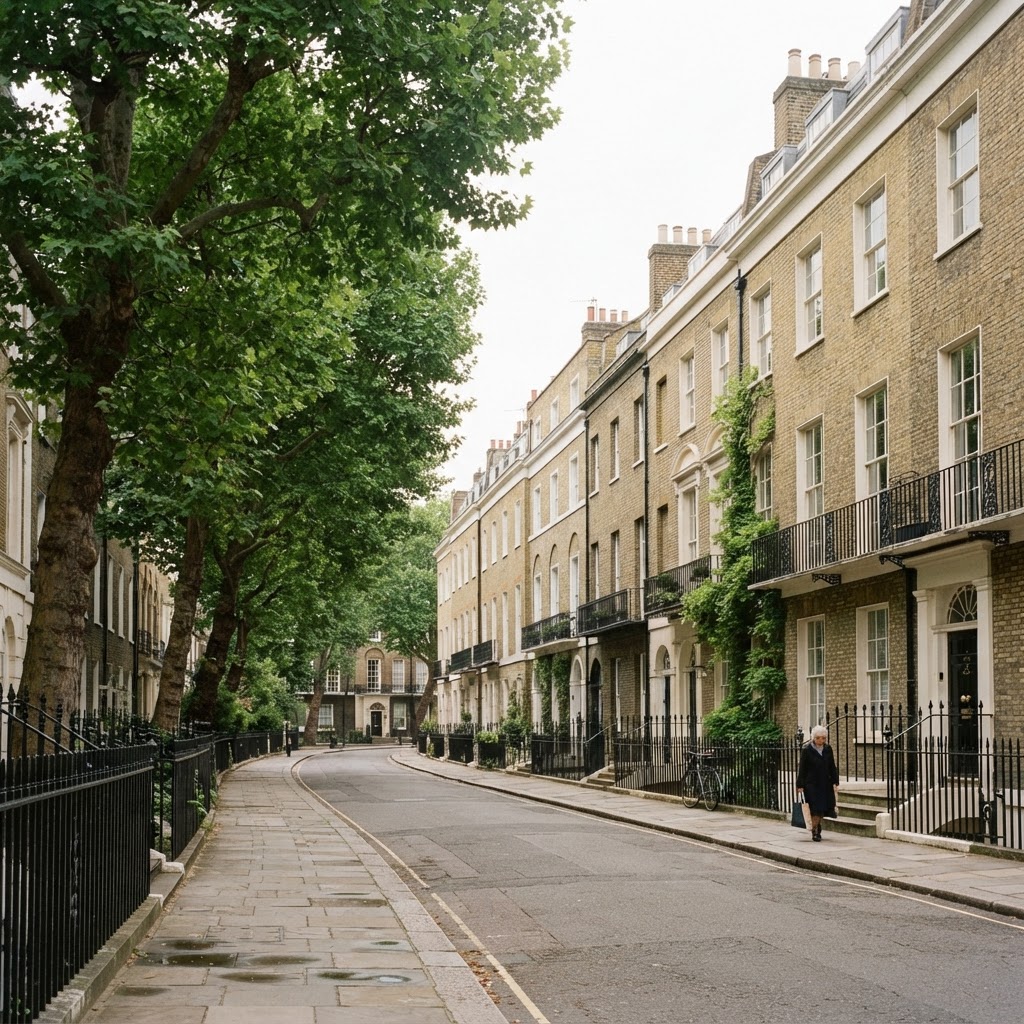
Unlike the intimate, narrow feel of the West London mews, the quiet streets of Bloomsbury offer a grander, intellectual atmosphere shaped by 18th-century city planning. Bloomsbury is defined by its wide, tree-lined garden squares and imposing yellow-brick Georgian townhouses, which house a rich literary history that differentiates the area from the stable-based history of Kensington. The streets here feel open, airy, and deeply tied to the city’s academic legacy.
Walking down Lamb’s Conduit Street is a premier example of this aesthetic, as it blends residential quietude with independent shops, high-quality coffee houses, and preserved Victorian ironwork. These streets were designed for the gentry to stroll through private garden squares, meaning the architecture prioritizes symmetrical proportions, large sash windows, and elevated ground floors. This area rewards the slow traveler, as you can spend hours navigating the grid of side streets without ever encountering a major traffic artery. The following table provides a quick guide to visitor etiquette in these peaceful areas:
Architectural Features to Look For
Identifying a historic mews street involves spotting specific, recurring architectural elements that have been preserved since the Victorian era. Many properties have updated their carriage doors into large glass windows to facilitate modern living, yet the original structure often remains visible through the stone lintels and fanlights. These elements are not just aesthetic choices; they are historical markers that confirm the building’s previous life as a functional stable block.
Key Architectural Elements
- Fanlights: The semi-circular windows positioned above front doors are hallmark Georgian design features intended to illuminate dark entryways before the invention of electric lighting.
- Cobblestones: These were originally used to provide traction for horse-drawn carriages; their presence is the most reliable indicator of an original mews street.
- Hanging Lanterns: Many streets maintain traditional iron lanterns, which are often maintained by local residents’ associations to preserve the period-accurate evening ambiance.
- Window Boxes: The tradition of overflowing floral displays serves to soften the stark lines of the brickwork and is a mandatory feature for maintaining the “classic” mews street look.
Preserving the Peace: A Guide for Visitors
As social media has increased the visibility of these locations, local authorities and residents have become more sensitive to large groups and commercial photography. Maintaining the tranquility of these streets is critical for the residents who live there. Always keep noise levels to a minimum, refrain from using drones, and treat all properties as private homes. Blocking a resident’s driveway or obstructing a sidewalk is often grounds for local complaints and can jeopardize public access to these streets.
If you are planning an extended visit, prioritize weekday afternoons. Between 2:00 PM and 4:00 PM, residents are often at work, resulting in a much more immersive and silent experience. This is the optimal window to truly feel the history of the architecture without the interference of local traffic or delivery vehicles.
FAQ
Are London mews streets open to the public?
Yes, almost all mews streets in London are public thoroughfares and are open to pedestrians at any time. However, they are also private residential zones, so you must remain on the public sidewalk and respect the privacy of the homeowners at all times.
What is the best time of year to visit Kynance Mews?
The best time to visit Kynance Mews is during late April to see the vibrant purple wisteria in full bloom or in mid-October to capture the fiery red ivy leaves. These two periods provide the most visually striking photographic opportunities.
Can I use a tripod for photography in these streets?
Using a large tripod in a narrow mews is generally discouraged as it can obstruct narrow walkways and cause issues for residents. If you must use a tripod, keep it compact and ensure you are not blocking the path for local residents or vehicles.
Are there guided tours of hidden London streets?
Yes, several local historical societies and private London guides offer walking tours specifically focused on mews architecture and the social history of the Victorian stable blocks. Booking these in advance ensures you access historical context you might miss alone.
How were mews houses converted from stables?
Conversion involved replacing large wooden stable doors with high-end residential entrances, installing plumbing and electricity, and adding light wells or skylights. Most conversions occurred between the 1950s and 1990s as the value of central London real estate skyrocketed.
Leave a Reply