Gothic Quarter Barcelona: A Guide to Old World Magic
The Gothic Quarter (Barri Gòtic) is the historic center of Barcelona, famous for its preserved Roman ruins, dense medieval alleyways, and iconic sites like the Barcelona Cathedral. Visitors should prioritize exploring its maze-like streets early in the morning to experience the architectural heritage and hidden plazas without the crowds.
The History Written in Stone
The story of the Gothic Quarter Barcelona began long before the impressive stone facades were erected. Originally the site of the Roman village of Barcino, founded around 15 BC, visitors can still see remnants of the ancient Roman walls and temple columns integrated into later structures. As the city grew during the Middle Ages, the area became the epicenter of trade, religion, and political power in Catalonia.
Surviving the Centuries
Unlike many other European districts that were heavily modified during the 19th-century industrial booms, the Barri Gòtic maintained much of its original layout. The maze of streets was designed to keep the sun out and the heat away, creating cool, shaded passageways. Today, these same alleys provide an escape from the Mediterranean sun and a gateway into the past. Historical records indicate that much of the “Gothic” charm seen today was actually a significant restoration effort in the early 20th century, specifically ahead of the 1929 International Exhibition, which helped preserve the medieval aesthetic.
Marvels of Medieval Architecture
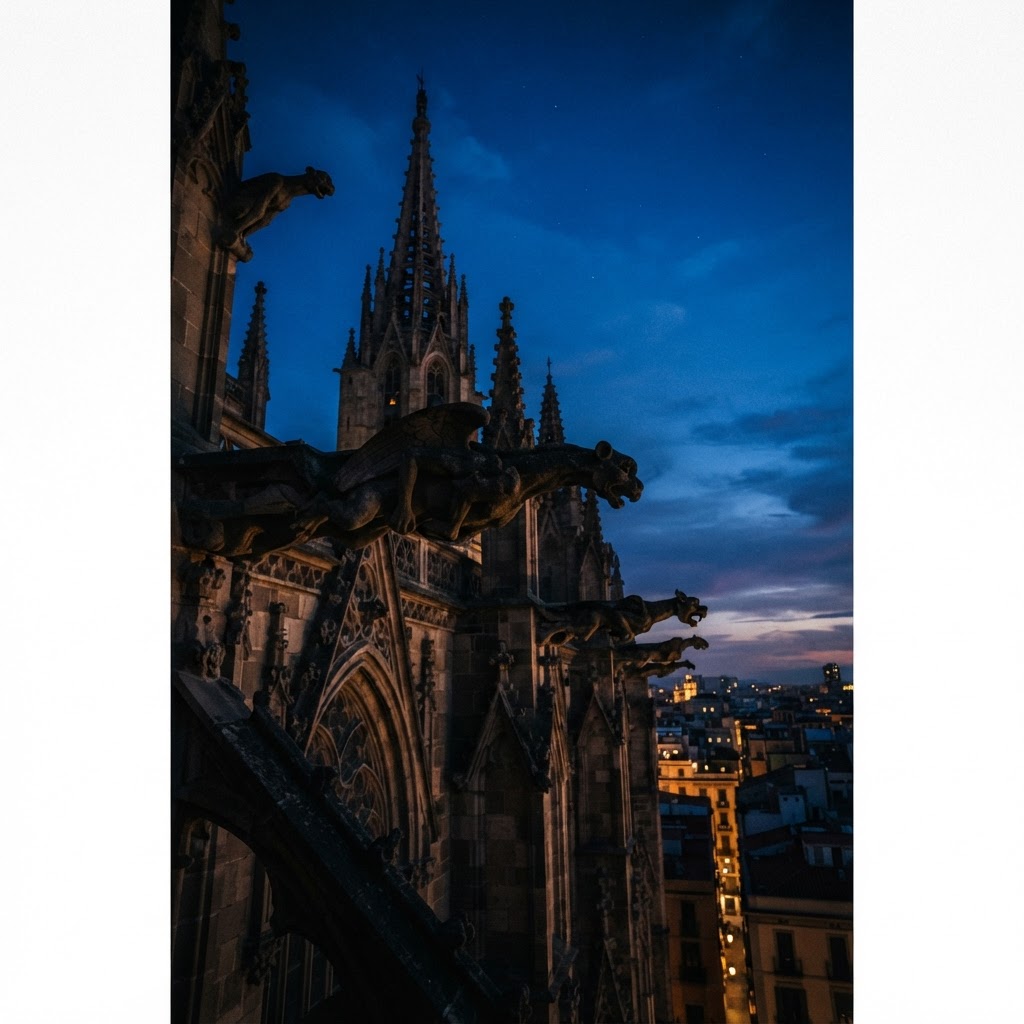
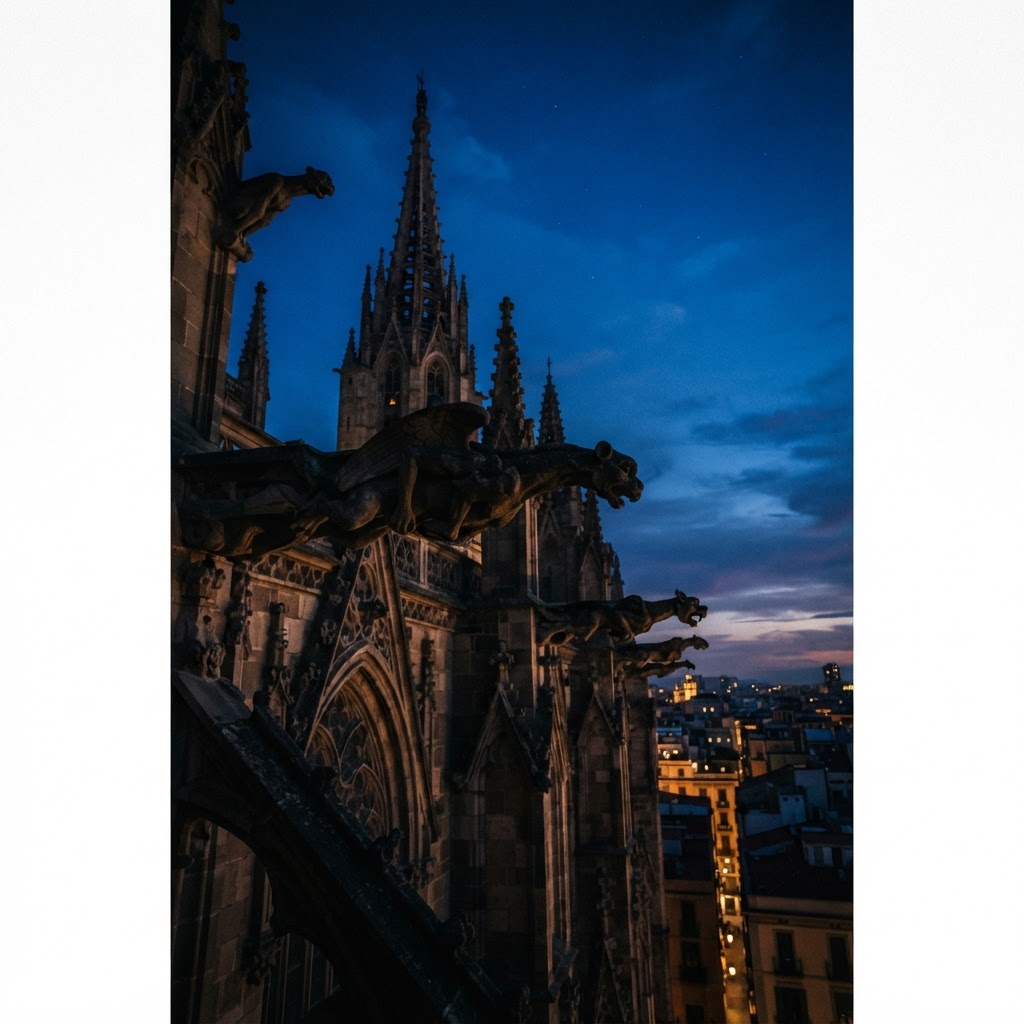
One cannot discuss the Gothic Quarter without mentioning the Cathedral of the Holy Cross and Saint Eulalia, commonly referred to as the Barcelona Cathedral. This masterpiece of Gothic design features soaring arches, intricate gargoyles, and a quiet cloister where white geese reside—a tradition dating back to at least 1448. The interplay between light and shadow within the cathedral creates an atmosphere of profound reverence, with the main facade standing 90 meters tall.
The Art of the Gargoyle
Take a moment to look up while walking through the narrow streets. The architecture here is famous for its decorative gargoyles, which served as both functional rain gutters and symbolic protectors of the faithful. Each carving tells a different story, ranging from mythical beasts to caricatures of local citizens from the 14th century. Architectural historians classify these into two types: those that drain rainwater (gargoyles) and those that are purely decorative (grotesques). You will notice the highest concentration of these on the rooflines of the Cathedral and the Palau de la Generalitat.
Navigating the Labyrinth of Alleys
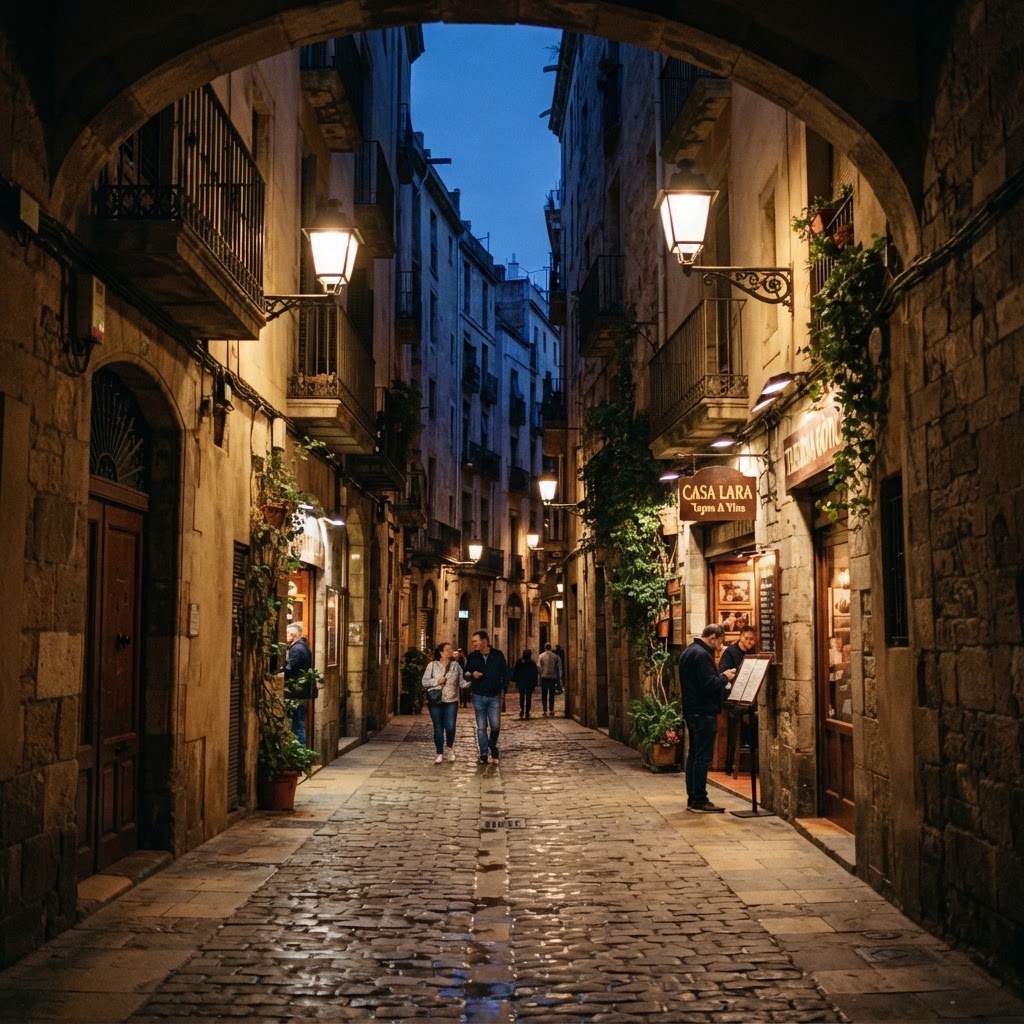
Walking the streets of the Gothic Quarter is an exercise in getting lost on purpose. You will find that the street layout defies modern map apps, as the neighborhood was never designed for vehicular traffic. This deliberate confusion is part of the charm, as every corner turned reveals a new, unexpected delight.
Key Plazas to Visit
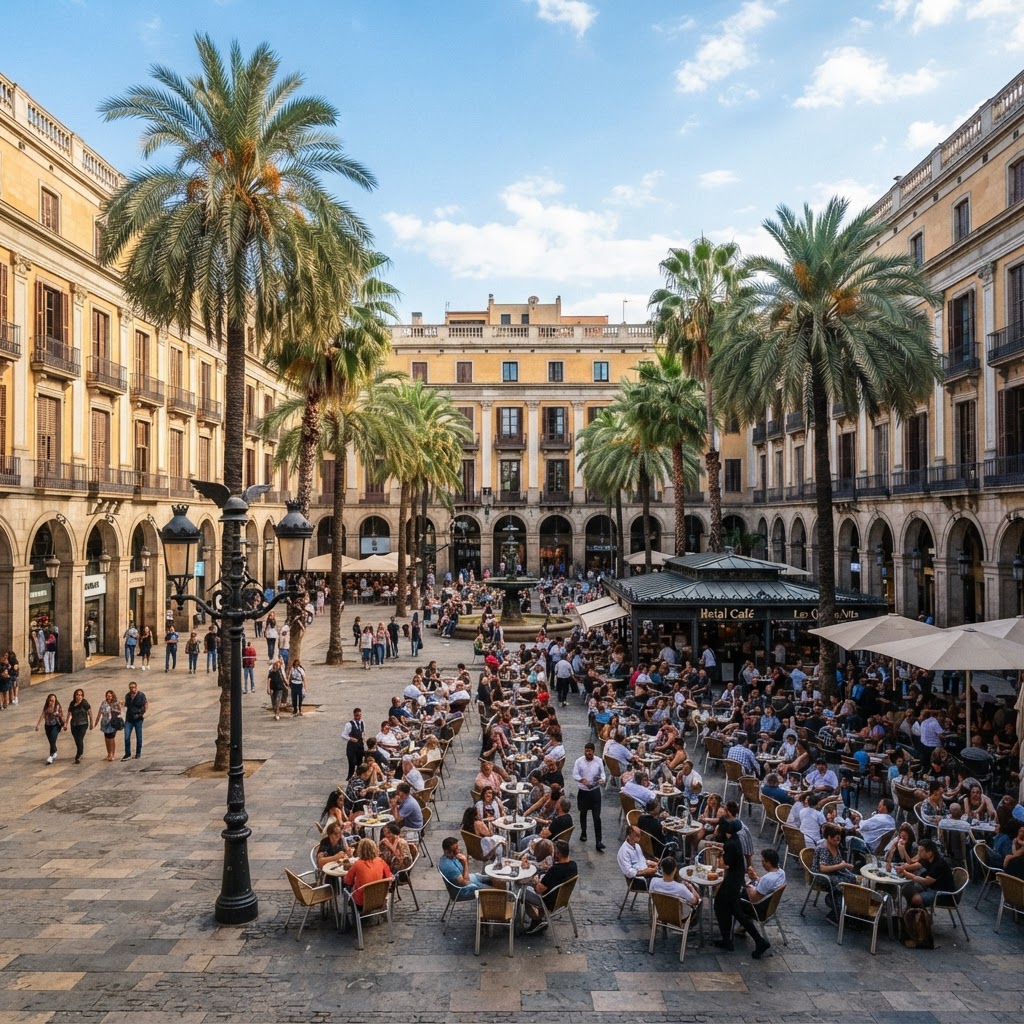
- Plaça Reial: A grand, palm-fringed square featuring lamps designed by a young Antoni Gaudí. Expect to spend at least 30 minutes here observing the ornate ironwork.
- Plaça de Sant Felip Neri: A quiet, somber square known for its beautiful fountain and the historical bullet scars remaining on its walls from the 1938 Civil War bombing.
- Plaça del Rei: A courtyard that feels completely frozen in time, surrounded by the Palau Reial Major, which was the residence of the Counts of Barcelona.
Hidden Gems and Local Treasures
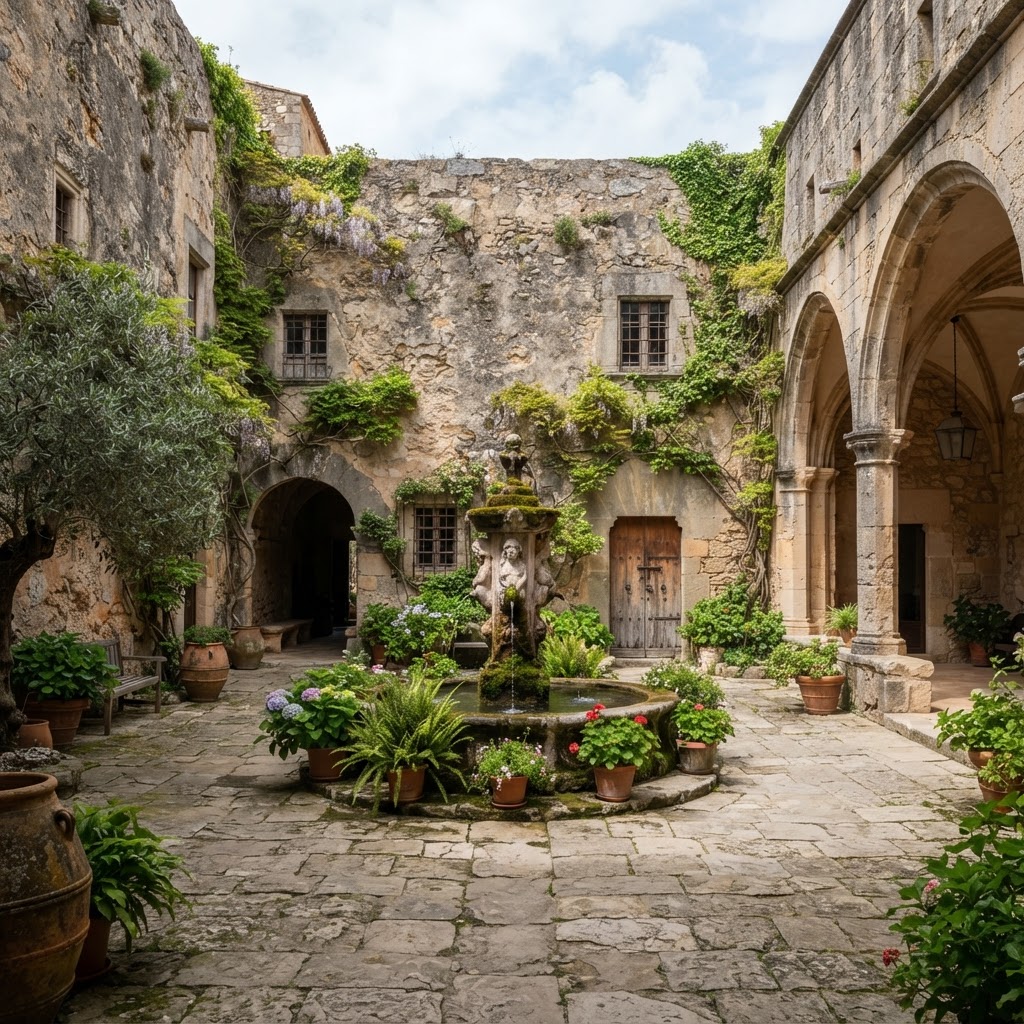
The magic of the Gothic Quarter Barcelona often hides in plain sight. Beyond the major attractions, the district is packed with tiny artisan workshops, traditional vermuterías, and independent bookstores that have occupied the same premises for over a hundred years. Exploring these smaller shops allows you to see the true heartbeat of the city.
The Hidden Roman Temple
Do not miss the Temple of Augustus, tucked away inside a nondescript medieval building at Carrer del Paradís. Inside, four towering Roman columns stand as a testament to the city’s ancient roots, largely forgotten by the thousands of tourists passing by just a few meters away. These columns are over 2,000 years old and were once part of a larger structure measuring 35 meters by 17.5 meters. It is this density of historical layers that makes the area so fascinating.
A Culinary Journey Through Time
Dining in the Barri Gòtic is an experience that matches the environment. Traditional Catalan cuisine, characterized by fresh seafood, seasonal vegetables, and rich stews, is served in establishments that have been operating since the early 1900s. Seeking out a ‘taberna’ with wine barrels lining the walls offers the most authentic taste of old-world Barcelona. While Barcelona offers a unique historical atmosphere, travelers who also crave breathtaking sunset views over the water might want to explore the iconic islands of Greece as well.
The Tapas Experience
In the evening, the area transforms into a vibrant hub for tapas culture. Moving from bar to bar to sample different small plates is the local way of socializing. Look for places serving ‘pan con tomate’ and ‘bombas’—a spicy meat and potato croquette created in the Barceloneta neighborhood—while enjoying the sounds of local musicians playing in the plazas. Expect to pay between €5 and €12 per tapa depending on the location and complexity of the dish.
Practical Tips for Your Visit
To truly enjoy your time in the Gothic Quarter, start your exploration early in the morning, ideally before 9:00 AM, before the tour groups arrive. The narrow streets can become quite congested by midday, making it difficult to photograph the architecture. Comfortable walking shoes are non-negotiable, as the cobblestone streets are uneven, often steep, and cover a terrain of roughly 0.5 square kilometers.
Etiquette and Safety
While the district is generally very safe, the nature of the narrow alleys means it is a popular spot for pickpockets who thrive on crowded areas like Carrer de Ferran. Keep your belongings secure, ideally in front of your body, and remain aware of your surroundings, especially in the darker, less-trafficked side streets at night. Respect the local residents by keeping noise levels low, as the acoustics in these stone corridors amplify sound significantly, which is a major concern for the local Neighborhood Association.
Preserving the Gothic Quarter
As one of the most visited locations in Europe, the Barri Gòtic faces the challenge of balancing mass tourism with the preservation of its cultural heritage. Efforts are ongoing to maintain the structural integrity of the buildings while ensuring the neighborhood remains a living community rather than just a tourist attraction. By supporting local artisans and patronizing family-run businesses, you are contributing to the longevity of this historic district. Consider visiting during the off-season (November through February) to reduce the pressure on local resources.
FAQ
Is the Gothic Quarter free to explore?
Yes, the neighborhood is a public district and is entirely free to wander through. While specific venues like the Cathedral charge an entry fee of approximately €14, all public squares and alleyways are open to the public at no cost.
What is the best time of day to visit?
Plan your visit for early morning, between 8:00 AM and 10:00 AM, to avoid the heavy tourist crowds. This window offers the best lighting for photography and a more authentic, tranquil atmosphere before local shops and restaurants open for the day.
Are there guided tours available?
Yes, numerous walking tours are available, typically ranging from €15 to €30 per person. These tours generally last between 2 and 3 hours and cover key historical points like the Roman Wall, the Jewish Quarter, and the Cathedral exterior.
Is the Gothic Quarter safe for tourists?
The district is generally safe, but its labyrinthine layout and crowds make it a hotspot for pickpockets. Stay vigilant in high-traffic areas, keep your bag closed and in front of you, and avoid displaying expensive electronics or jewelry.
Can you drive in the Gothic Quarter?
No, most of the Gothic Quarter is pedestrian-only or restricted to authorized residential vehicles. The narrow, winding streets are physically unsuitable for standard cars, and parking is extremely limited; it is best to use public transport like the Metro (L3 or L4 lines).
Leave a Reply