Secret Lakes of Northern Norway: Hidden Arctic Gems
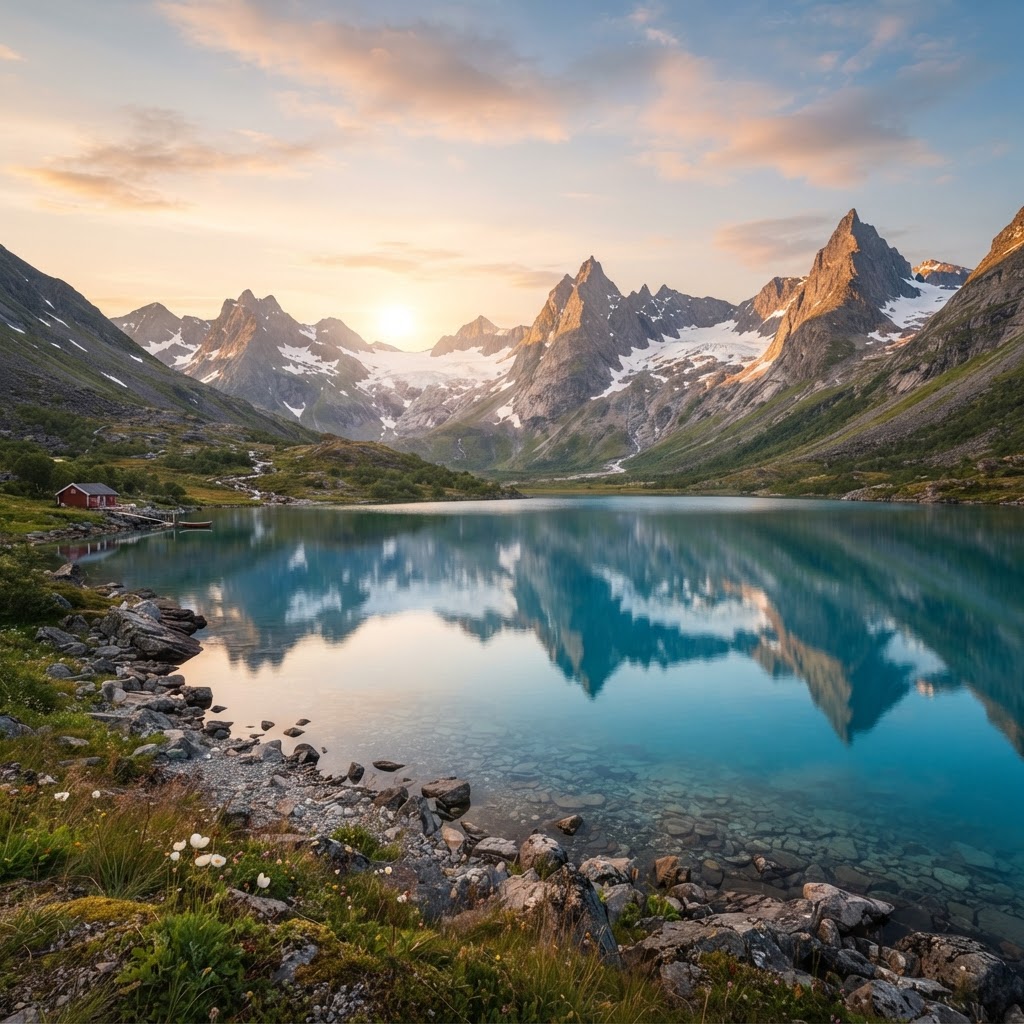
Northern Norway’s secret lakes are pristine, glacial-fed basins located primarily in the remote interiors of Troms, Finnmark, and the Finnmarksvidda plateau. These hidden gems offer unparalleled Arctic solitude, crystal-clear cobalt waters, and access to the vast, untamed wilderness of the Sápmi region, away from the coastal crowds of the Lofoten Islands.
The Allure of the High North Wilderness
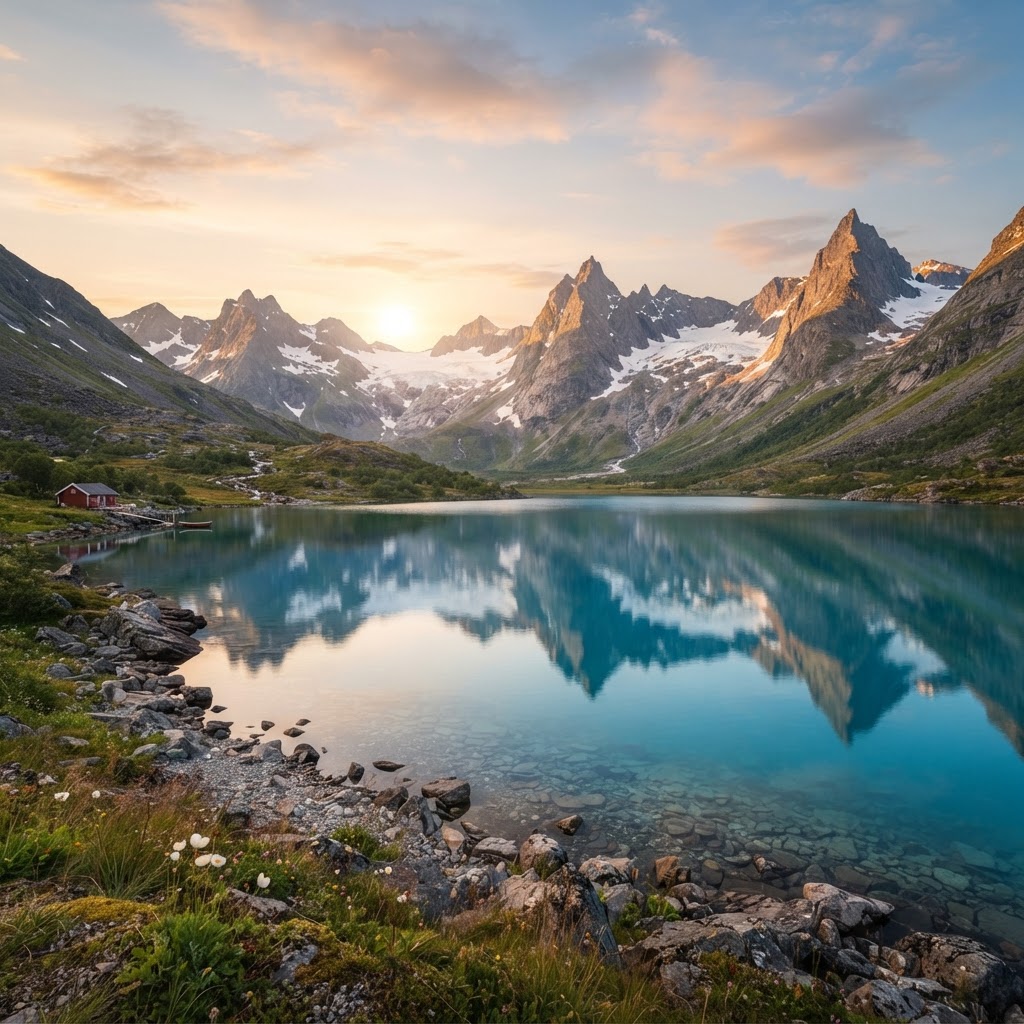
What makes the secret lakes of Northern Norway so special is the absolute tranquility found in high-altitude cirques carved by millennia of glacial movement. These basins act as natural, cobalt-blue reservoirs that remain virtually untouched by mass tourism. Unlike the highly trafficked coastal trails of Senja or Lofoten, where summer congestion is common, the interior lakes provide a silent, meditative experience where the only ambient noise is the wind against mountain heather. These regions are geologically unique, formed as ice sheets retreated, leaving behind deep depressions that trap snowmelt, creating mirror-like surfaces. For hikers, these lakes are not just scenic spots but significant milestones in a landscape that has remained unchanged for thousands of years. The rarity of reaching these spots—often requiring off-trail navigation—ensures that the ecological integrity remains high, providing a sanctuary for those seeking a profound, raw connection to the Arctic circle.
Why Choose Remote Arctic Landscapes
Choosing a path less traveled provides a sense of discovery that modern tourism often dilutes. When you hike toward a remote lake in Finnmark or Troms, you aren’t just visiting a landmark; you are witnessing a wilderness that feels exactly as it did thousands of years ago. These areas remain largely unmapped by casual tourists, ensuring that your experience remains personal, quiet, and deeply meditative.
Exploring the Interior of Troms and Finnmark
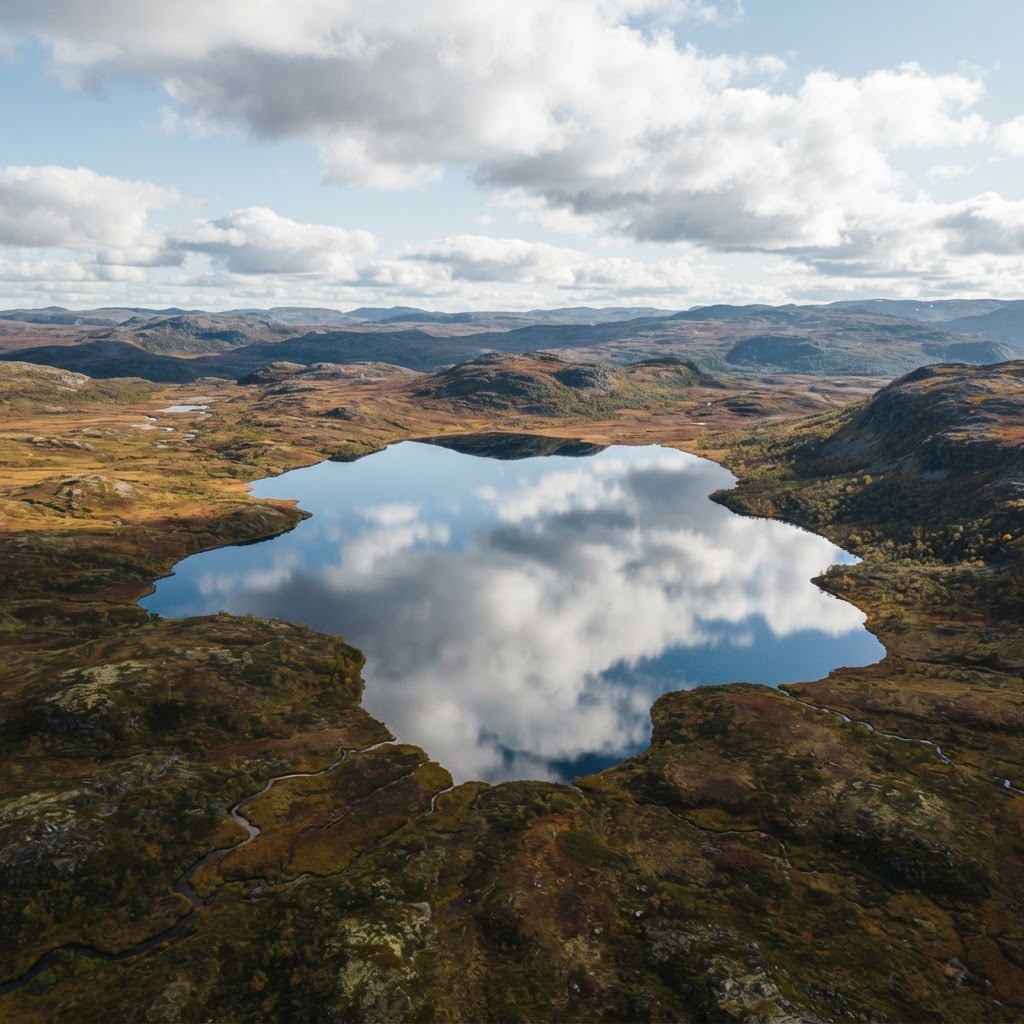
While the coastline of Troms is dominated by steep mountain faces, the interior plateau—known as the Finnmarksvidda—is a vast expanse of rolling hills and countless secret lakes. This is the heart of the Sápmi region, the ancestral home of the indigenous Sámi people, who have navigated these waters and lands for generations. Exploring this terrain requires careful planning, as the weather in the Arctic is notoriously fickle, even in the height of summer. Because temperatures on the plateau can drop to 2-5°C (35-41°F) even in July, you must be prepared for rapid shifts from sunshine to freezing rain. The Finnmarksvidda spans over 22,000 square kilometers, making it the largest mountain plateau in Norway. While you are traveling through the region, you might also consider venturing toward the iconic Atlantic Ocean Road for a spectacular coastal drive, or perhaps plan a future trip to enjoy the best Santorini balcony views for a completely different kind of scenic escape. Navigation in the remote North is a skill unto itself; GPS signals can be reliable, but carrying a physical topographic map (1:50,000 scale) and a compass is essential for any excursion into the high plateau. The terrain is often boggy during the summer months due to permafrost thaw, and the “secret” nature of these spots means there are rarely marked trails to follow. Always inform someone of your route and pack layers, as the temperature can drop rapidly regardless of the season.
Navigation and Safety Tips
Navigation in the remote North is a skill unto itself. GPS signals can be reliable, but carrying a physical topographic map and a compass is essential for any excursion into the high plateau. The terrain is often boggy during the summer months, and the “secret” nature of these spots means there are rarely marked trails to follow. Always inform someone of your route and pack layers, as the temperature can drop rapidly regardless of the season.
Essential Gear for Arctic Lake Trekking
Preparing for a trek to the secret lakes of Northern Norway requires a focus on weight management, versatility, and absolute durability in sub-arctic conditions. Because you are heading into an environment that remains largely wild, your gear must be able to handle sudden rain, biting wind, and soft, uneven ground. Quality footwear is the most important investment you will make; prioritize high-cut, waterproof leather or synthetic boots with a stiff Vibram sole to manage the boggy, rocky terrain found off-trail. You should expect to carry between 15-20kg of gear for multi-day trips, including a four-season tent capable of withstanding wind gusts over 20 m/s. Multi-fuel stoves are preferred over gas canisters for extended trips, as extreme cold can render standard butane canisters ineffective. Additionally, always carry a polarized lens for your camera or eyewear to cut through the intense surface glare of the midnight sun, which reflects significantly off the water, causing potential eye strain or obscured photography.
Must-Have Packing List
- Sturdy, waterproof hiking boots with excellent ankle support.
- A lightweight, high-performance tent capable of withstanding strong wind gusts.
- A multi-fuel stove, as wood for campfires is often scarce in the tundra.
- Polarized sunglasses to reduce glare on the water during the midnight sun.
- High-quality base layers, preferably merino wool, to manage temperature regulation.
The Magic of the Midnight Sun and Northern Lights
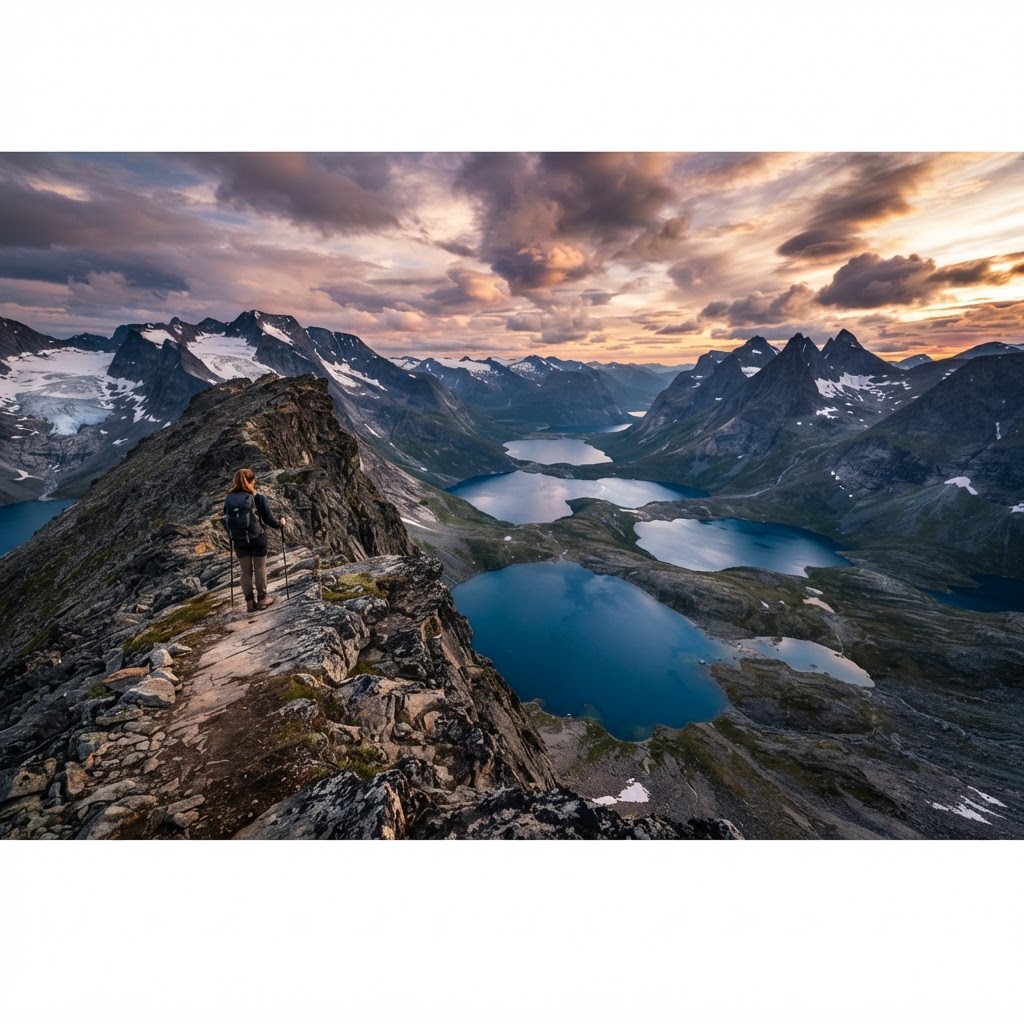
The time of year you choose to visit these lakes will completely redefine your experience, balancing between the 24-hour daylight of summer and the geomagnetic activity of autumn. During the summer months, from late May to late July, the midnight sun provides 24 hours of light, allowing you to hike or fish at 2:00 AM without any darkness. This is the best time for those prioritizing trail access, as the snow coverage is at its minimum. Alternatively, visiting in the early autumn (late August to September) introduces the phenomenon of the Aurora Borealis, which becomes visible as the nights darken. Watching the northern lights dance above a remote, secret lake is a life-changing event. The lack of light pollution in these remote regions means the colors of the aurora—often vibrant greens and purples—are significantly more vivid than those seen near cities like Tromsø or Alta. Plan for average autumn temperatures near 0°C to 5°C and ensure you have high-rated sleeping bags (comfort rating of -5°C) to stay warm during stationary photography sessions.
Sustainable Travel in Fragile Ecosystems
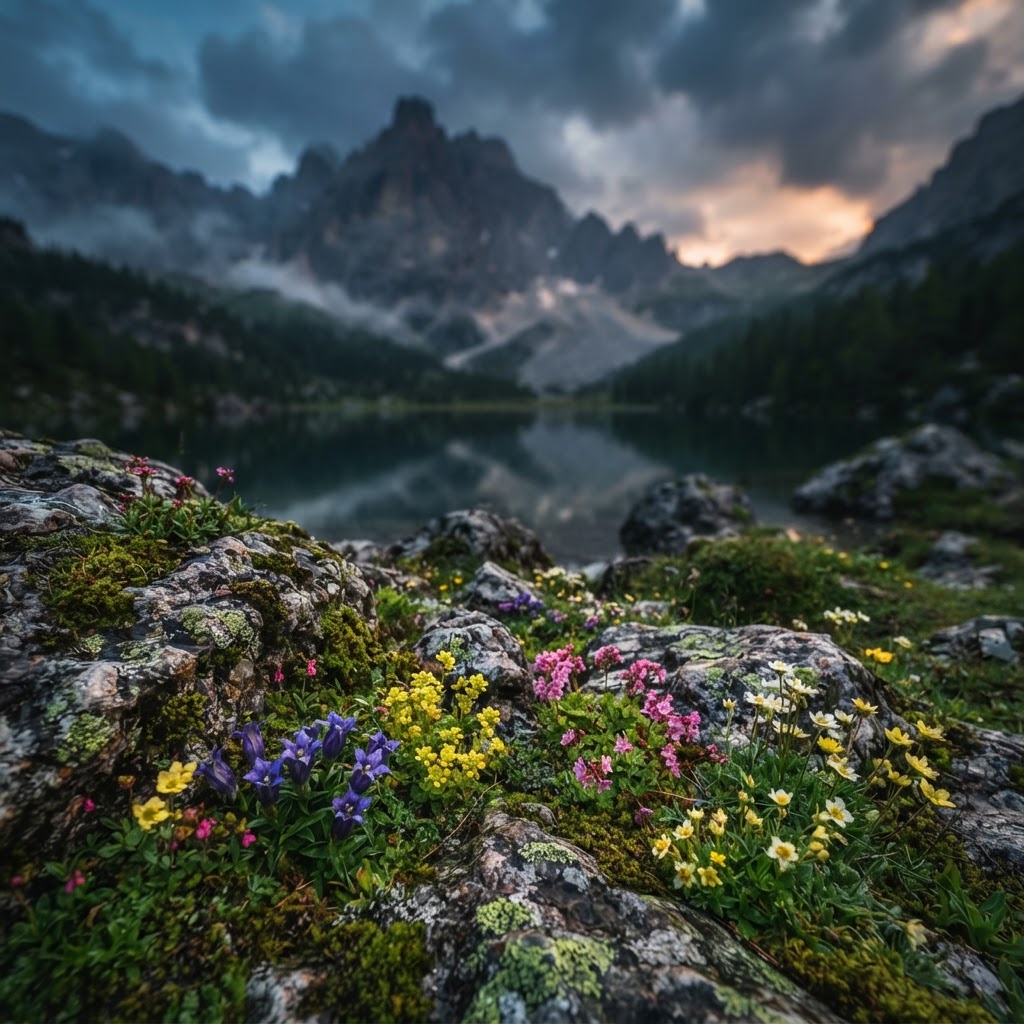
The Arctic tundra is an incredibly fragile ecosystem where the biological recovery rate is exceptionally slow due to the short growing season. Lichens, mosses, and alpine flowers take decades to recover from damage caused by trampling or improper waste management. When visiting the secret lakes of Northern Norway, it is vital to practice Leave No Trace principles strictly, which includes packing out all trash, including biodegradable waste. The thin soil layer means you should never pitch a tent directly on sensitive vegetation; seek out gravel or stone surfaces whenever possible. Responsible interaction with wildlife is equally critical for the preservation of these habitats. As you wander through the interior, you may encounter wild reindeer, arctic foxes, or a variety of migratory bird species. Always maintain a respectful distance of at least 50 meters from reindeer herds, which are often semi-domesticated by the Sámi people. Use a telephoto lens (300mm+) for photography rather than approaching animals. If you spot signs of ground-nesting birds, bypass the area entirely to avoid disturbing the local fauna during their most vulnerable life cycles.
Responsible Interaction with Wildlife
As you wander through the interior, you may encounter wild reindeer, arctic foxes, or a variety of migratory bird species. Always maintain a respectful distance. Use a telephoto lens for photography rather than approaching the animals. If you see signs of breeding grounds, bypass the area entirely to avoid disturbing the local fauna during their most vulnerable life cycles.
Planning Your Itinerary: A Sample Route
If you are planning your first trip, consider starting in the areas surrounding Senja or the inland mountains of Inner Troms. These regions offer the perfect balance of accessible trails and deep wilderness. Start by establishing a base camp in a small village, then take day trips into the surrounding highlands to find your own secret lake.
FAQ
Q: What is the best month to visit secret lakes in Northern Norway?
The best time to visit is during July for hiking and midnight sun exploration or September for the best chance of viewing the Northern Lights. July offers the most stable ground conditions for off-trail trekking across the tundra.
Q: Do I need a permit to fish in these lakes?
Yes, you generally need a “statskort” (state fishing license) or a local area permit to fish in most freshwater lakes in Northern Norway. These can be easily purchased online via the Inatur.no portal before your departure.
Q: Is it safe to drink water directly from Arctic lakes?
Most high-altitude, glacial-fed water in Northern Norway is safe to drink, but it is recommended to collect water from running streams feeding into the lake. Avoid areas downstream from reindeer grazing or high-traffic animal paths to minimize bacterial risk.
Q: Can I visit these lakes without a professional guide?
It is possible to visit independently if you possess advanced navigation skills using a map and compass. However, if you are inexperienced in Arctic wilderness travel, hiring a local Sámi guide is highly recommended for safety and cultural respect.
Q: How much does a typical week-long Arctic trek cost?
Expect to spend between $1,500 and $2,500 USD per person for a week, excluding international flights. This budget covers local transport, food, equipment rentals, and basic mountain hut fees if you choose to utilize them instead of tenting.
Leave a Reply