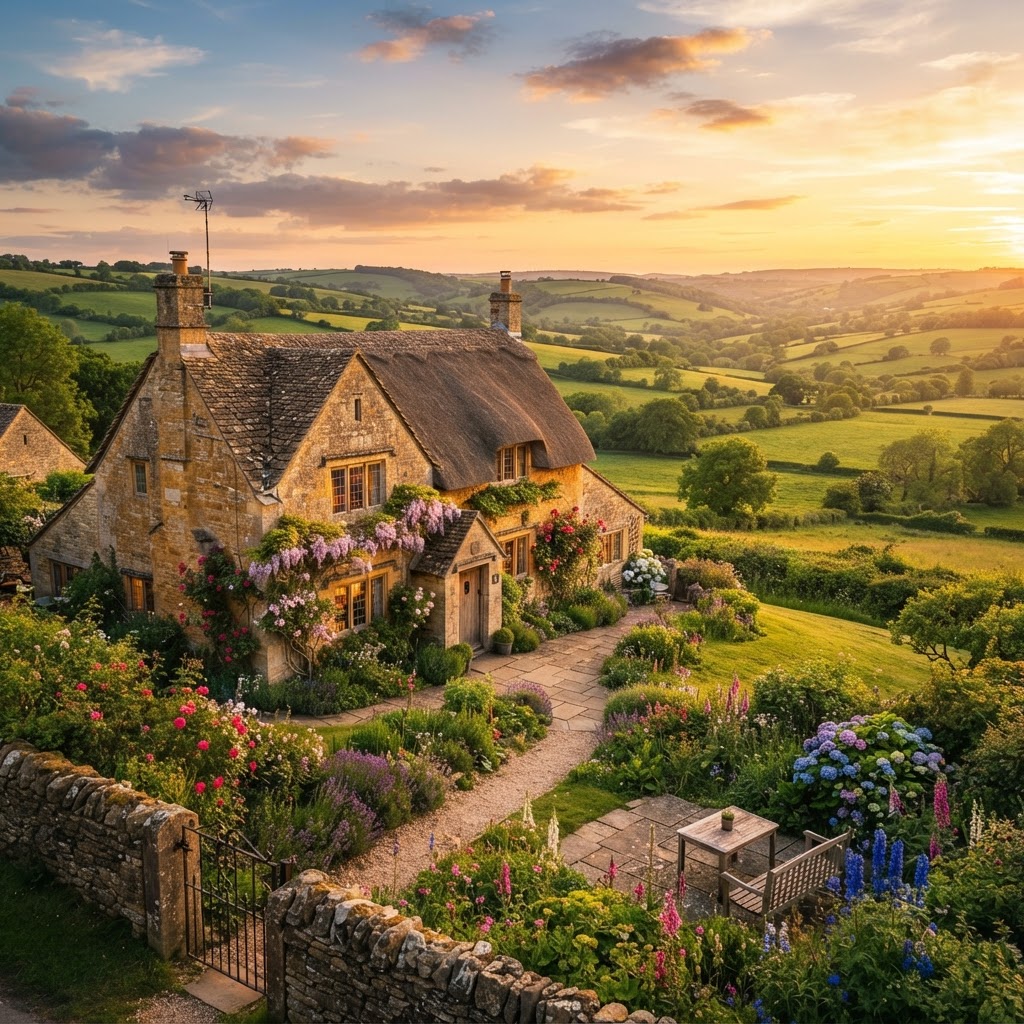
Traveling to the Cotswolds from London is best achieved via direct trains from London Paddington to Moreton-in-Marsh, Kemble, or Kingham, taking approximately 75 to 90 minutes. Alternatively, renting a car offers the most flexibility for exploring rural villages, with a typical drive time of two to two and a half hours via the M4 or M40 motorways.
Understanding Your Transport Options
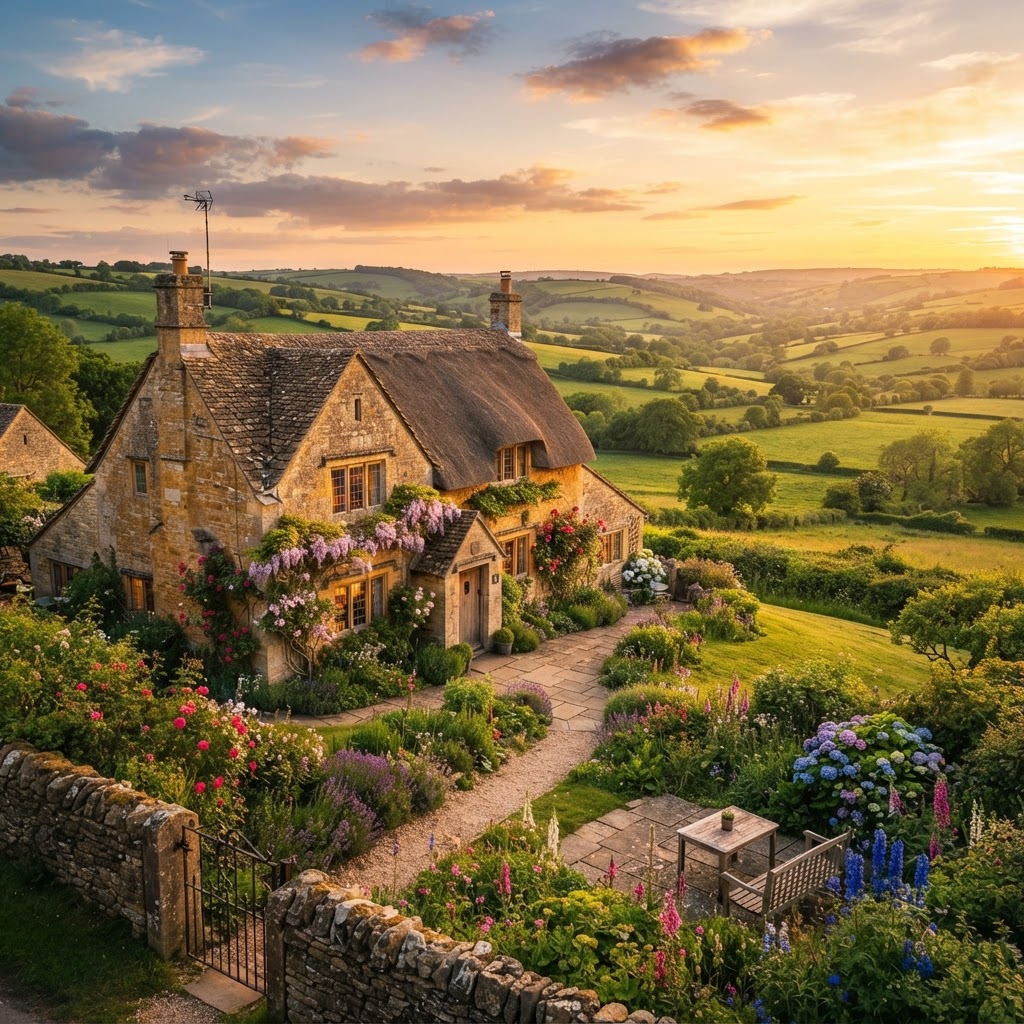
Choosing the right transport mode is the most important decision for your Cotswolds itinerary, with options categorized by speed, budget, and independence. Rail travel is the most efficient method for reaching the gateway towns, while driving is essential for those who want to visit remote historical sites or hidden tea rooms. Guided tours provide a stress-free, logistical solution for travelers who prefer a curated experience without the burden of navigation or vehicle rental.
When considering how to get to the Cotswolds from London, you generally have three primary choices: train, car, or guided tour. Each option caters to a different travel style and budget, making it essential to weigh the pros and cons before booking your tickets. While the train is often heralded as the most relaxing way to traverse the distance, hiring a car provides the freedom to explore the more hidden corners of the region that public transport simply cannot reach.
The Convenience of Rail Travel
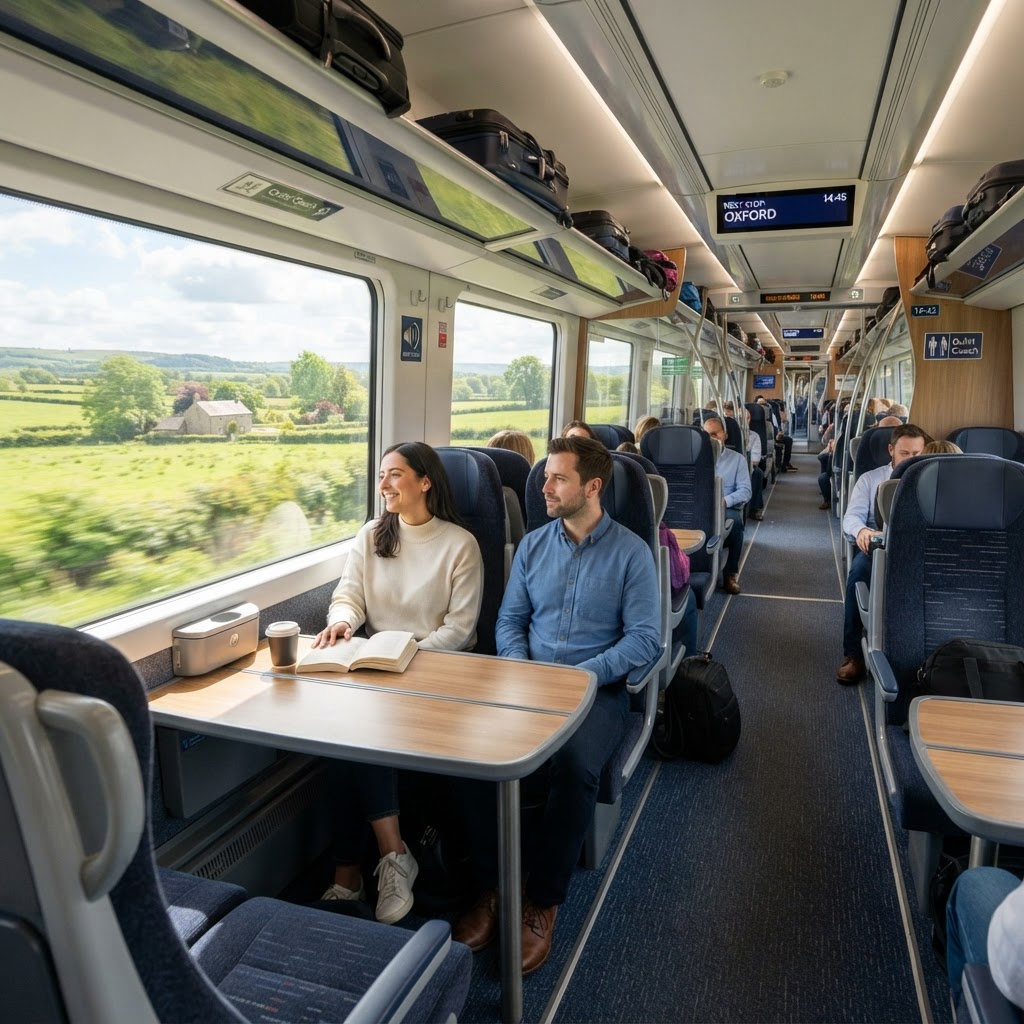
Traveling by train is widely considered the most straightforward method for those looking for efficiency. Trains depart regularly from London Paddington Station, heading toward key hubs like Moreton-in-Marsh, Kemble, or Kingham. This journey typically takes between 75 and 90 minutes, allowing you to reach the heart of the region without the stress of navigating rural roads or highway traffic.
Once you arrive at your destination station, you are perfectly positioned to begin your exploration. Many of the most iconic villages are a short taxi ride or a scenic bus journey away from these hubs. This method is perfect for travelers who prefer to spend their time relaxing during the transit rather than focusing on the road. For the best value, travelers should aim to purchase Off-Peak tickets, which can cost as little as £25-£35 compared to the £80+ charged for Anytime tickets booked on the day of travel. Always check the Great Western Railway (GWR) website for live updates and station-specific bus connectivity to ensure a seamless final mile.
Driving Your Way to Countryside Bliss
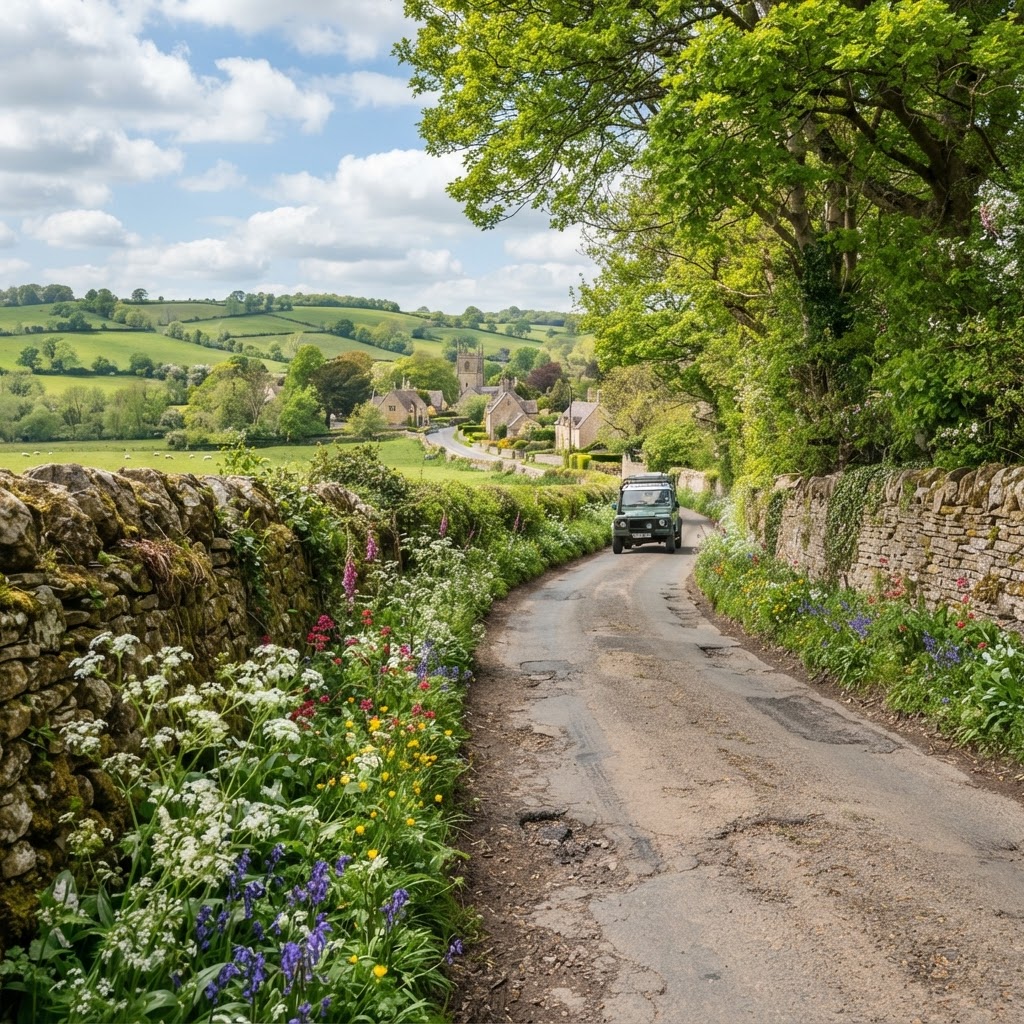
For those who prioritize flexibility, driving is often the preferred way to travel. Having your own vehicle allows you to create a bespoke itinerary, stopping at local farm shops, hidden tea rooms, and panoramic viewpoints whenever the mood strikes. The drive from London usually takes about two to two and a half hours, depending on your final destination and traffic conditions on the M4 or M40 motorways.
Tips for Navigating the Rural Roads
While driving offers incredible freedom, it is important to be prepared for the realities of rural English roads. Many of the lanes between villages are narrow and winding, often bordered by high hedges or stone walls. If you are accustomed to driving on the right side of the road, allow yourself some time to adjust to the left-hand side of the road before embarking on your journey. Rental car costs vary, but expect to pay between £50 and £90 per day for a standard vehicle, excluding fuel and potential parking charges in popular spots like Castle Combe or Bourton-on-the-Water, where parking fees average £5 to £10 for a full day.
Key Considerations for Drivers
- Ensure you have a reliable GPS or offline maps downloaded, as cell service can be spotty in the valleys.
- Be mindful of local parking regulations in tourist-heavy villages like Bourton-on-the-Water and Stow-on-the-Wold.
- Keep an eye out for farm machinery or livestock that may occasionally occupy the road.
Making the Most of Guided Tours
If you prefer not to worry about logistics at all, a guided tour from London is an excellent alternative. Numerous companies operate day trips that whisk you away from the city early in the morning and return you in the evening, taking care of all the planning for you. These tours often include curated stops at several villages, providing historical context and local insights that you might miss on your own. Most full-day tours typically run from 8:00 AM to 6:00 PM and are priced between £90 and £150 per person, inclusive of transportation and expert commentary.
Guided tours are particularly advantageous for solo travelers or those who have limited time and want to see the highlights in a single day. You won’t have to worry about reading maps or finding parking, as your professional driver handles all the navigating while you enjoy the passing scenery. Many providers offer pick-up points at major London hotels or Victoria Coach Station, streamlining the entire transit process significantly.
Comparing Travel Costs and Timing
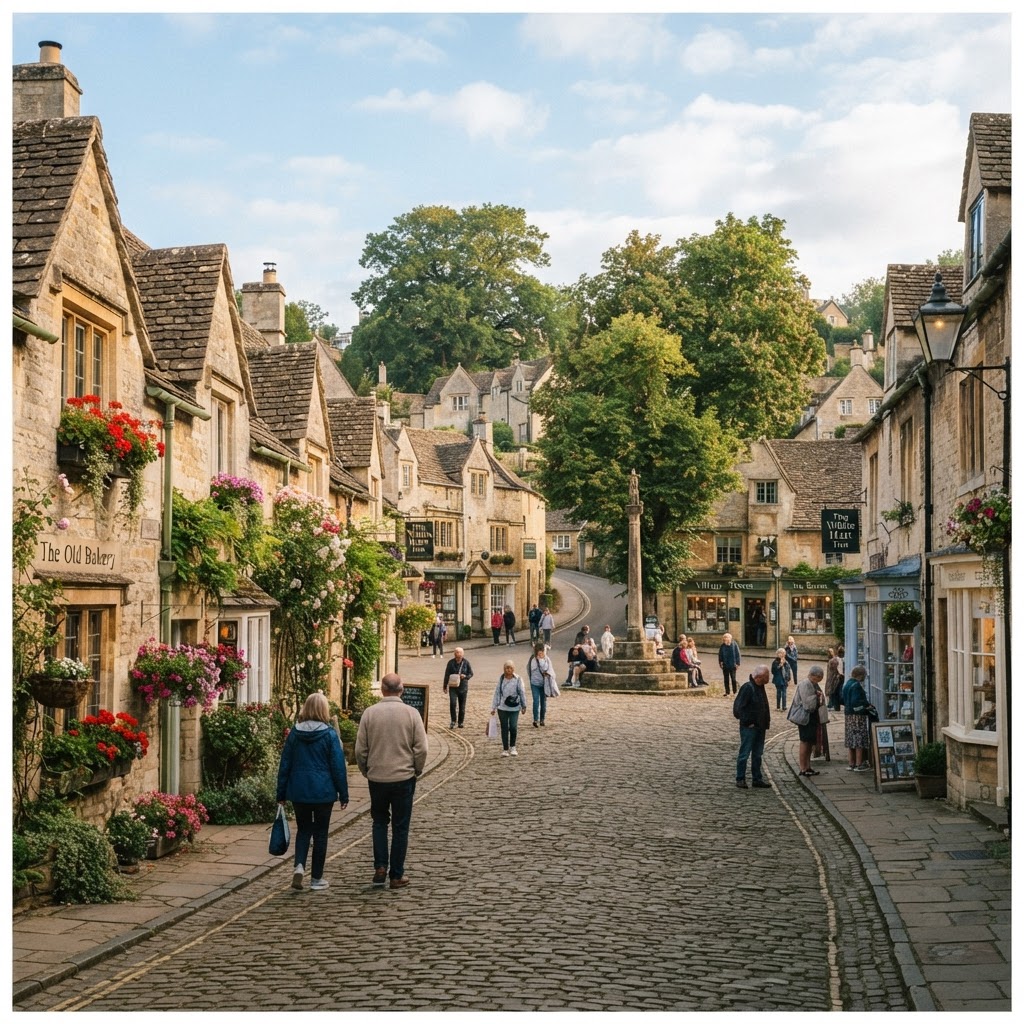
Budgeting for your trip is an important part of the planning process. Trains can be very affordable if booked in advance, but prices rise significantly if purchased on the day of travel. Driving involves the cost of car hire, fuel, and potential parking fees, which can quickly add up for a small group. A critical factor in your decision should be the total group size: solo travelers will find the train to be the most cost-efficient, while a family of four will likely find that renting a vehicle is cheaper than purchasing four individual train tickets.
Breaking Down the Financials
Train travel is generally the most cost-effective option for couples or solo travelers, especially when utilizing railcards or advance-purchase tickets. For families or groups of four, hiring a car often becomes more economical, as the shared cost of rental and fuel is split among passengers. Take a moment to compare these costs against the value of your time and the level of comfort you desire during the transit.
Best Times to Travel
The timing of your trip can greatly influence your experience. While the Cotswolds are beautiful year-round, the shoulder seasons of spring and autumn offer a perfect balance of pleasant weather and fewer crowds. During these times, the roads are generally clearer, and the trains are less packed, making your journey from London much more tranquil.
If you choose to visit during the peak summer months, be prepared for more traffic on the roads and higher demand for train tickets. Planning your travel for mid-week rather than weekends can also make a significant difference in your journey’s overall smoothness. Average tourist footfall is highest in August and during Bank Holiday weekends, so book transport and accommodation at least three months in advance during these peak windows.
Essential Planning Checklist
Before you head out, there are a few final details to settle to ensure your trip is truly easy. First, confirm your accommodation’s location relative to your arrival point. If you are arriving by train, check if your hotel offers a shuttle service or if there are local taxi firms you should pre-book.
Your Pre-Departure Strategy
- Book your train tickets at least 4-8 weeks in advance to secure the best fares.
- Download essential travel apps, including those for train schedules and maps.
- Check the weather forecast specifically for the Cotswolds, as it can differ from London.
- Pack comfortable walking shoes, as you will likely want to explore these villages on foot.
- Verify your rental car pickup location and ensure you have all necessary documentation.
FAQ
Q: How long does it take to get to the Cotswolds from London?
The journey takes between 75 and 90 minutes by train to major hubs, while driving typically requires two to two and a half hours. Travel times can increase slightly during peak Friday afternoon traffic or busy summer weekend periods.
Q: Is it possible to visit the Cotswolds without a car?
Yes, you can visit the Cotswolds without a car by taking the train to a major hub and using local buses or pre-booked taxis to visit surrounding villages. While this requires more planning, it is a viable option for travelers who prefer to avoid navigating narrow, rural roads.
Q: What is the cheapest way to travel from London to the Cotswolds?
Booking a train ticket 8-12 weeks in advance is the cheapest method for individuals. For larger groups, renting a car is often the most cost-effective option when splitting fuel and rental costs across four or more passengers.
Q: Which train station is best for visiting the Cotswolds?
Moreton-in-Marsh is the most popular station for travelers as it offers frequent direct services from London Paddington and is central to major tourist attractions. Kemble and Kingham are excellent alternatives depending on which part of the region you intend to explore first.
Q: Do I need to book my travel tickets in advance?
Yes, booking train tickets in advance is strongly recommended to secure significant discounts, often saving 50% or more compared to walk-up fares. For car rentals, booking at least two weeks before your trip ensures better availability and competitive daily rates.
Leave a Reply