
Lake Garda is Italy’s premier summer escape, offering a perfect blend of Mediterranean charm, dramatic Alpine scenery, and a unique microclimate that allows for both high-octane water sports and relaxed vineyard tours. Ideally visited between June and August, the lake is best experienced by balancing the northern adventure hubs with the southern thermal towns.
Understanding the Geography of Lake Garda
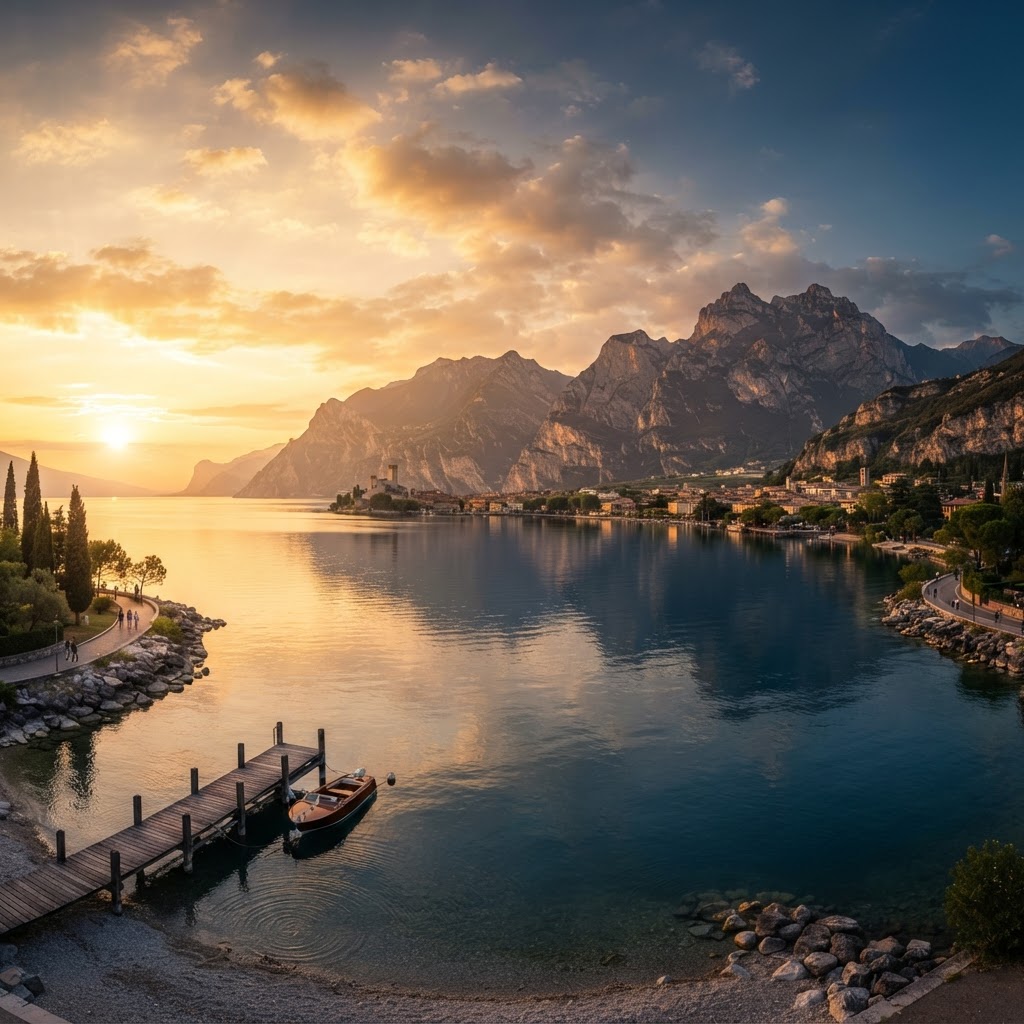
To plan the perfect trip, it helps to realize that the lake is split between three distinct regions: Verona to the southeast, Brescia to the west, and Trentino to the north. This geographical divide creates a variety of climates and experiences that define Lake Garda summer escapes for every type of traveler. The north is characterized by steep, dramatic limestone cliffs and consistent thermal winds, while the south features wide, sandy beaches and gentle hills blanketed in the fertile vineyards of the Lugana wine region.
The Northern Advantage
The northern end of the lake, particularly towns like Riva del Garda and Torbole, is famous for its world-class wind conditions. Sailors and windsurfers flock here for the consistent morning ‘Pelèr’ and afternoon ‘Ora’ breezes. This area is also a gateway to the Dolomites, making it the perfect base for hikers and mountain bikers who want to pair their lake holiday with high-altitude exploration on trails like the Sentiero della Pace.
The Southern Serenity
In contrast, the southern shore, including Sirmione and Desenzano, is flatter, warmer, and more accessible. The shallow water and proximity to the famous Lugana wine region—which produces roughly 25 million bottles of D.O.C. wine annually—make this area ideal for families and wine lovers. Sirmione, with its iconic Scaligero castle jutting into the water, remains the most visited spot due to its unique thermal springs that reach temperatures of 69°C.
Top Towns to Explore
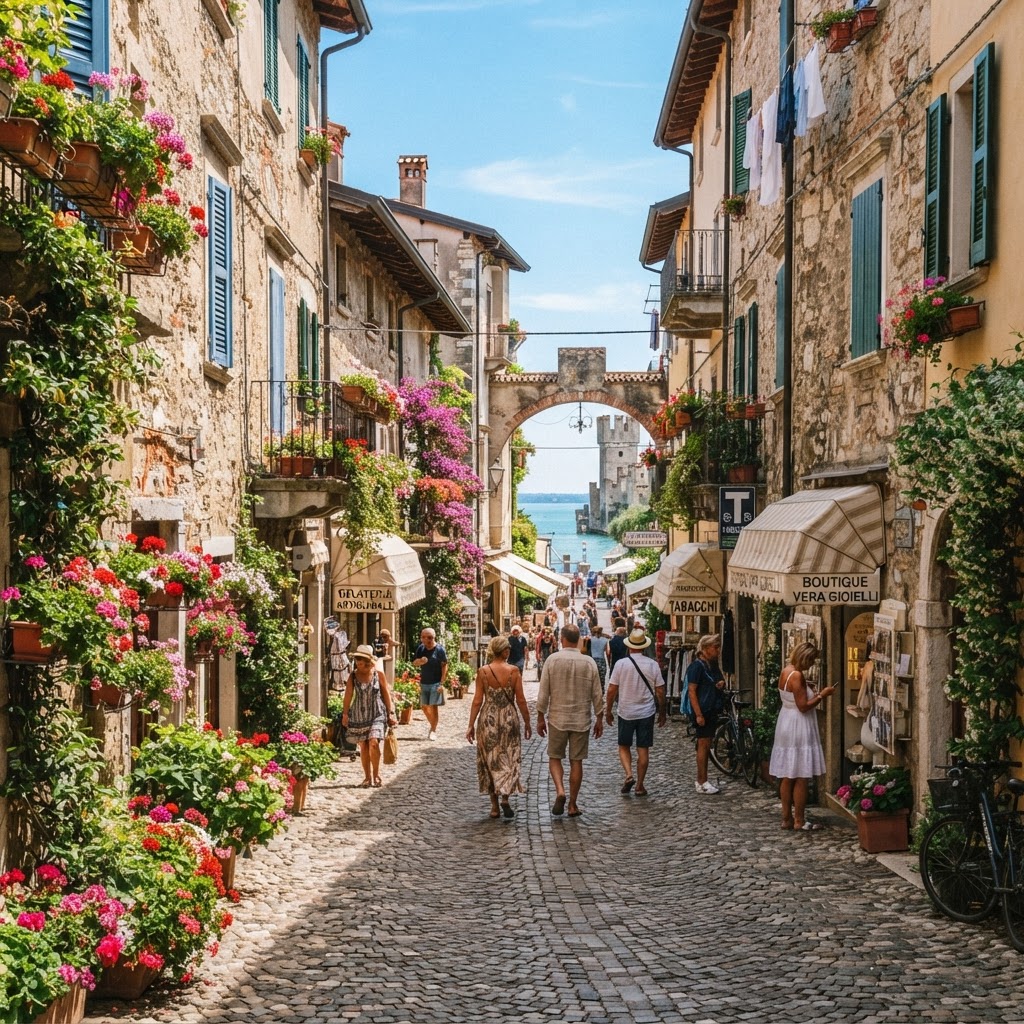
Each town on Lake Garda possesses a distinct architectural style and atmosphere, making the choice of your home base the most critical step in your itinerary. By selecting one primary location, you can utilize the efficient ferry network to explore other ports without the burden of constant packing and checking in to new hotels.
Sirmione and the Roman Influence
Sirmione is renowned for its thermal baths and the Grotte di Catullo, a vast 1st-century Roman villa complex spanning over 2 hectares at the tip of the peninsula. Walking through the narrow, cobbled streets of the old town during a warm summer evening is a quintessential experience for anyone seeking the classic charm of Lake Garda. The town’s history is tangible, from the Roman ruins to the medieval drawbridge entrance.
Limone sul Garda
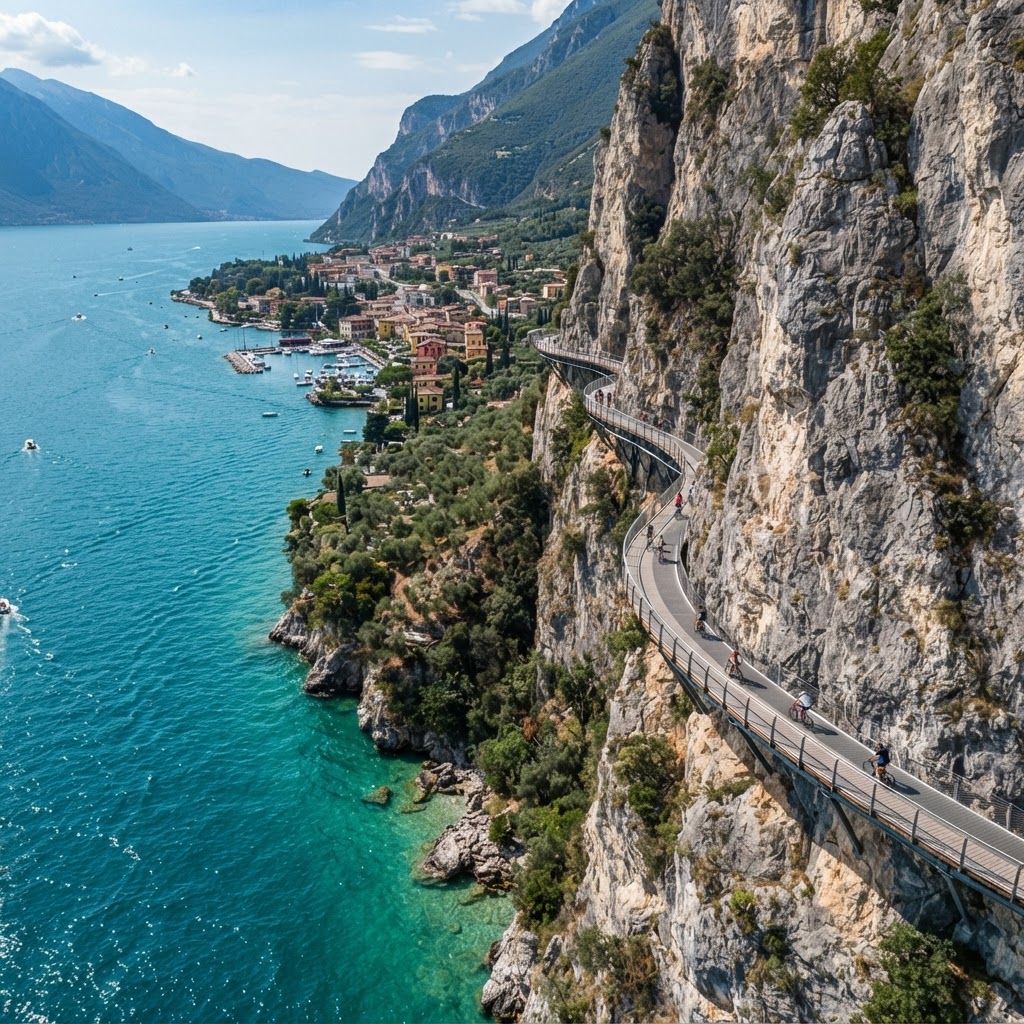
Once a remote fishing village, Limone is now famous for its terraced lemon groves, some of which date back to the 1700s. The town is built into the vertical cliffside, offering incredible views from every angle. It retains a quiet, authentic feel that is hard to find in larger tourist hubs, and it serves as the starting point for the spectacular 2.5-kilometer suspended cycle path that hangs directly over the lake surface.
Essential Summer Activities
Beyond lounging by the water, the lake offers a wealth of diverse activities that leverage its massive 370-square-kilometer surface area. Below are the top-rated activities for a summer itinerary:
- Renting a motorboat to explore hidden coves reachable only by water (approx. €150-€250/day).
- Taking the panoramic rotating cable car from Malcesine to the summit of Monte Baldo at 1,760 meters.
- Visiting the historic Scaligero Castles in Sirmione, Lazise, or Malcesine (tickets from €6).
- Sampling local D.O.P. olive oil and Lugana white wine at regional vineyards.
- Cycling along the suspended ‘cycle path in the sky’ near Limone.
Water Sports and Adventure
The wind conditions in the northern part of the lake are among the best in Europe for watersports. If you are feeling adventurous, consider taking a kitesurfing lesson in Torbole, where specialized schools offer beginner courses starting around €120. For those who prefer a slower pace, stand-up paddleboarding (SUP) is a serene way to explore the coastline, particularly during the calm, glassy early morning hours before the afternoon winds pick up.
Dining and Culinary Delights
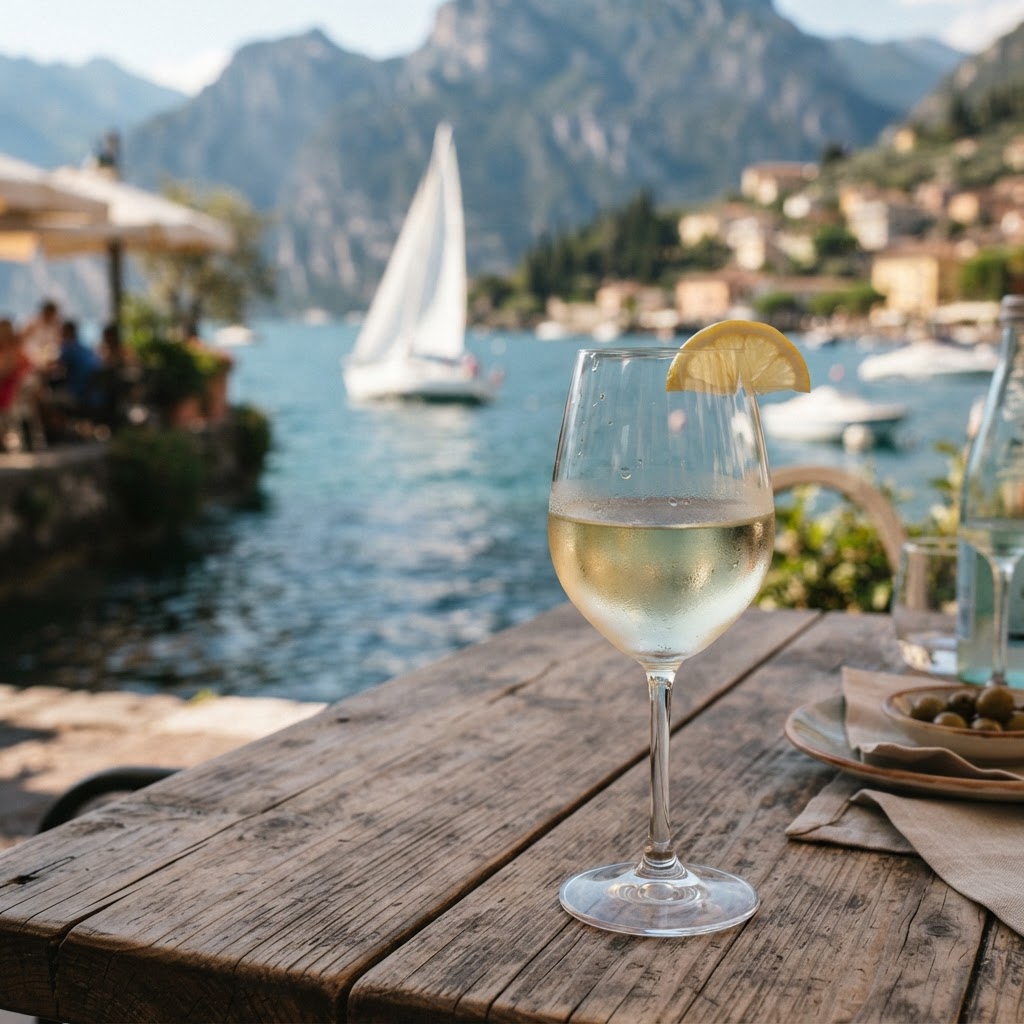
Lake Garda’s culinary landscape represents a harmonious blend of mountainous traditions and fertile plain agriculture. Fresh fish such as ‘lavarello’ (whitefish) and ‘carpione’ (trout) are staples, often prepared simply with local herbs and citrus. Pair these dishes with a chilled glass of Lugana—a crisp, mineral-heavy white wine—for a refreshing lunch in the summer heat.
Local Specialties You Must Try
Don’t leave without tasting the local Extra Virgin Olive Oil, which is produced in the Garda D.O.P. area. Due to the lake’s unique microclimate, this region is the northernmost point in the world for commercial olive production. The resulting oil is significantly lighter and more delicate than southern Italian varieties, characterized by notes of artichoke and fresh grass, making it a perfect finish for summer salads and grilled fish.
Practical Tips for Your Visit
Traveling during the peak summer months requires a bit of strategy to avoid the crowds. Early mornings—between 7:00 AM and 10:00 AM—are your best time to explore the historic town centers before the day-trippers arrive from Verona or Milan. If you are visiting in July or August, be prepared for high temperatures often exceeding 30°C, and ensure you always carry a refillable water bottle, as the public fountains offer fresh, drinkable water throughout all towns.
Navigating the Lake
While rental cars are convenient for exploring the hinterlands, the local ferry system is the most relaxing and scenic way to navigate the lake. The ‘Navigarda’ ferry service allows you to see the dramatic shoreline from the water, connecting all major towns including Sirmione, Salò, and Riva del Garda. Purchasing a daily ‘Libera Circolazione’ pass is the most cost-effective way to utilize these boats for island-hopping.
Sustainable Tourism at Lake Garda
As one of Italy’s most precious natural resources, the lake requires careful stewardship to maintain its ecosystem. Please ensure you stay strictly on marked mountain bike and hiking trails to protect the delicate flora and fauna of the surrounding parks. During the hot summer months, municipal water usage is often strictly regulated; please be conscious of your consumption at your hotel and avoid unnecessary waste.
Supporting Local Artisans
Instead of buying mass-produced souvenirs, look for shops that sell locally crafted ceramics, leather goods, or bottles of artisanal olive oil from small-batch producers. Supporting these local businesses ensures that the region’s long-standing traditions—such as hand-painted pottery and terrace farming—remain viable for future generations of travelers and locals alike.
FAQ
Q: What is the best month to visit Lake Garda?
June and September offer the best balance of warm weather for swimming and manageable crowds compared to the peak rush of July and August. In these months, you can enjoy outdoor activities comfortably while avoiding the most intense heat and traffic.
Q: Do I need a car to get around Lake Garda?
A car is useful for exploring the surrounding mountains or inland villages, but it is not necessary if you stay in major towns connected by the ferry system. Public transport and ferry boats are highly efficient and provide much better views of the coastline.
Q: Can you swim in Lake Garda?
Yes, Lake Garda is safe and popular for swimming, with many Blue Flag-awarded beaches offering clean water and excellent facilities. The southern shores generally feature warmer water, while the northern waters are deeper, clearer, and slightly more refreshing, even in mid-summer.
Q: Which side of Lake Garda is better for families?
The southern shore, including towns like Desenzano and Peschiera del Garda, is better for families due to flatter terrain and shallower waters. This area is also closer to major theme parks like Gardaland, which is a major draw for children and teenagers.
Q: What is the famous drink of Lake Garda?
Lugana is the most famous local wine, a crisp, mineral-rich white made from Trebbiano di Lugana grapes grown in the clay-rich soils of the southern shore. It is the perfect pairing for the freshwater fish and light Mediterranean dishes common in local trattorias.
Mastering the Logistics: How to Get Around
Do not rely solely on rental cars for your Lake Garda holiday. Parking in popular spots like Sirmione or Malcesine is notoriously difficult and expensive during the peak summer months. Instead, use the Navigarda ferry network to travel between towns. It turns the journey into a scenic cruise rather than a stressful traffic crawl.
The Ferry Strategy
Buy a daily travel pass to save money if you plan on visiting three or more towns. Check the official timetables online, as high-speed hydrofoils are faster but cost significantly more than the traditional slow boats. Always carry cash for last-minute snacks or ticket upgrades at smaller docks.
Common Pitfalls and How to Avoid Them
Many first-time visitors try to see too much of the lake in a single week. Lake Garda is surprisingly large, and moving your luggage every two days will eat into your precious vacation time. Pick one base on the west side and one on the east side if you must switch, but ideally, choose a single town for your entire stay.
Dining Traps
Avoid restaurants with menus featuring English translations displayed on large picture boards outside. These are almost always tourist traps with inflated prices and lackluster food. Walk three or four blocks away from the main harbour to find authentic trattorias where the locals eat.
Essential Summer Budgeting
Lake Garda offers options for every budget, but costs fluctuate wildly by location. Riva del Garda and Sirmione are the most expensive places to stay. If you are traveling on a budget, look for accommodation in towns like Bardolino or Padenghe sul Garda. You can still reach the big attractions by ferry while paying 30% less for your bed.
- Budget breakfast: 5-8 Euro (Coffee and a pastry at a bar)
- Mid-range dinner for two: 60-80 Euro (Wine included)
- Daily ferry pass: 30-40 Euro
Your Lake Garda Prep Checklist
- Book your accommodation at least four months in advance for July and August.
- Pack water shoes, as many of the best beaches on the lake are rocky.
- Download a local weather app to track the afternoon thermal winds.
- Bring a light jacket for the north, even in mid-summer, as evenings cool down rapidly near the mountains.
Frequently Asked Questions
Is one week enough to see the whole lake?
No, one week is perfect for exploring one side of the lake or a specific region. Trying to loop the entire lake in seven days leaves you with only an hour or two in each town, which is not enough time to appreciate the vibe. Spend more time in fewer places to truly relax.
Can I swim anywhere in the lake?
Yes, swimming is permitted in almost all parts of the lake, but pay attention to local signage. Avoid swimming near commercial ferry docks, as the water traffic is constant and dangerous. Always look for the designated public beach areas, known as ‘spiaggia,’ for safer entry points and better water quality.
Leave a Reply