
Mediterranean Coast Towns That Feel Timeless: A Travel Guide
Timeless Mediterranean coast towns like Hydra, Greece, and Kotor, Montenegro, are defined by strict architectural preservation, car-free zones, and centuries-old local traditions that resist modern development. These destinations offer travelers a slow-paced experience characterized by stone-paved alleys, authentic harbor life, and a profound sense of history that remains undisturbed by global tourism trends.
The Allure of Timeless Coastal Destinations
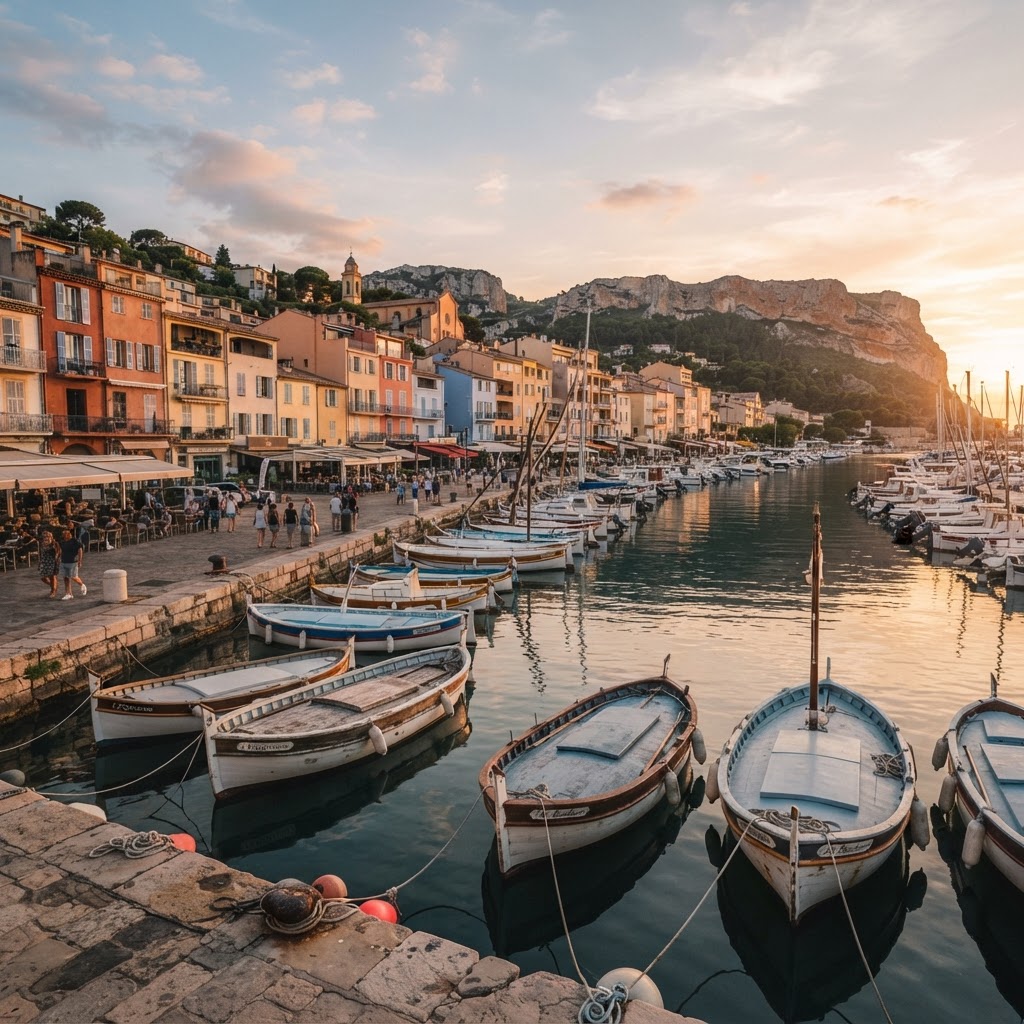
There is a profound sense of peace that descends when you step into a village that has stood unchanged for generations. The Mediterranean is home to thousands of such spots, each offering a unique perspective on history and lifestyle. These timeless coastal destinations prioritize the slow life, where afternoons are measured by coffee breaks and the shifting positions of the sun over the horizon. Authentic coastal villages typically feature historic centers dating back to the 14th through 18th centuries, with local regulations often forbidding modern chain stores or aggressive high-rise construction to maintain visual and cultural integrity.
Why We Seek Out Historic Villages
Modern travelers are increasingly looking for authenticity over luxury. In a world of digital saturation, these historic coastal villages provide a necessary disconnect. They offer tangible history, architecture that tells a story, and a connection to the environment that is often lost in our daily lives. Studies show that visiting sites with preserved heritage increases traveler satisfaction by fostering a deeper sense of “place-attachment” compared to modernized beach resorts.
The Importance of Architectural Preservation
Many of these towns have protected their cultural heritage by strictly regulating new development. By maintaining the integrity of their medieval walls, renaissance squares, and century-old fishing shacks, these towns offer an immersive experience that feels authentic to the core. Regulatory boards in places like Piran and Kotor often mandate that building materials match original 17th-century masonry, ensuring no visual dissonance occurs in the historic skyline.
| Feature | Hydra, Greece | Kotor, Montenegro | Piran, Slovenia |
|---|---|---|---|
| Transport | Car-free (Donkeys) | Pedestrianized Old Town | Limited Access |
| Architecture | 18th-century Mansions | Venetian Gothic | Venetian Gothic |
| Best Time | May – June | September – October | June – August |

Polignano a Mare, Italy: A Cliffside Dream
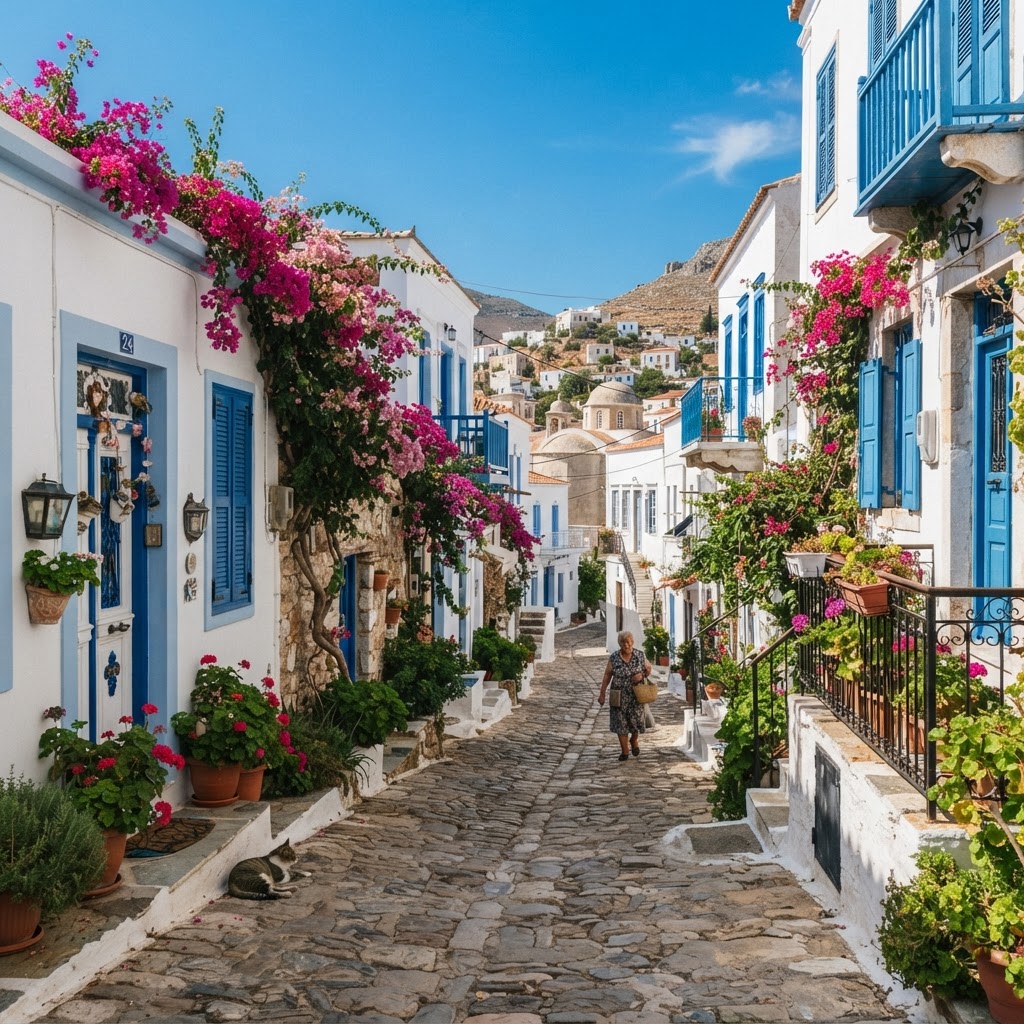
Perched precariously on limestone cliffs above the turquoise Adriatic Sea, Polignano a Mare feels like a dream suspended in time. While it is famous for its iconic pebble beach tucked between rock walls, the true charm lies in its historic center. Walking through the narrow, flower-lined streets of the Old Town, you will discover hidden balconies overlooking the water and ancient churches that have stood for centuries. The town’s history dates back to the Greek era, though much of the current structure is remnants of Roman and Norman periods. Visitors should note that the Lama Monachile beach can get crowded; arriving before 9:00 AM is essential for the best experience. The town remains a vital fishing hub, with local menus still featuring the traditional crudo di mare (raw seafood) that has been a staple here for generations.
- Visit the Lama Monachile beach for the best cliffside views.
- Explore the hidden caves that dot the coastline.
- Enjoy a sunset dinner overlooking the sea in an converted cave.
This town represents the quintessential Mediterranean coast towns that feel timeless because it seamlessly integrates natural geography with human architecture. It has remained a fishing hub at heart despite its rising popularity.
Cassis, France: A Provençal Gem
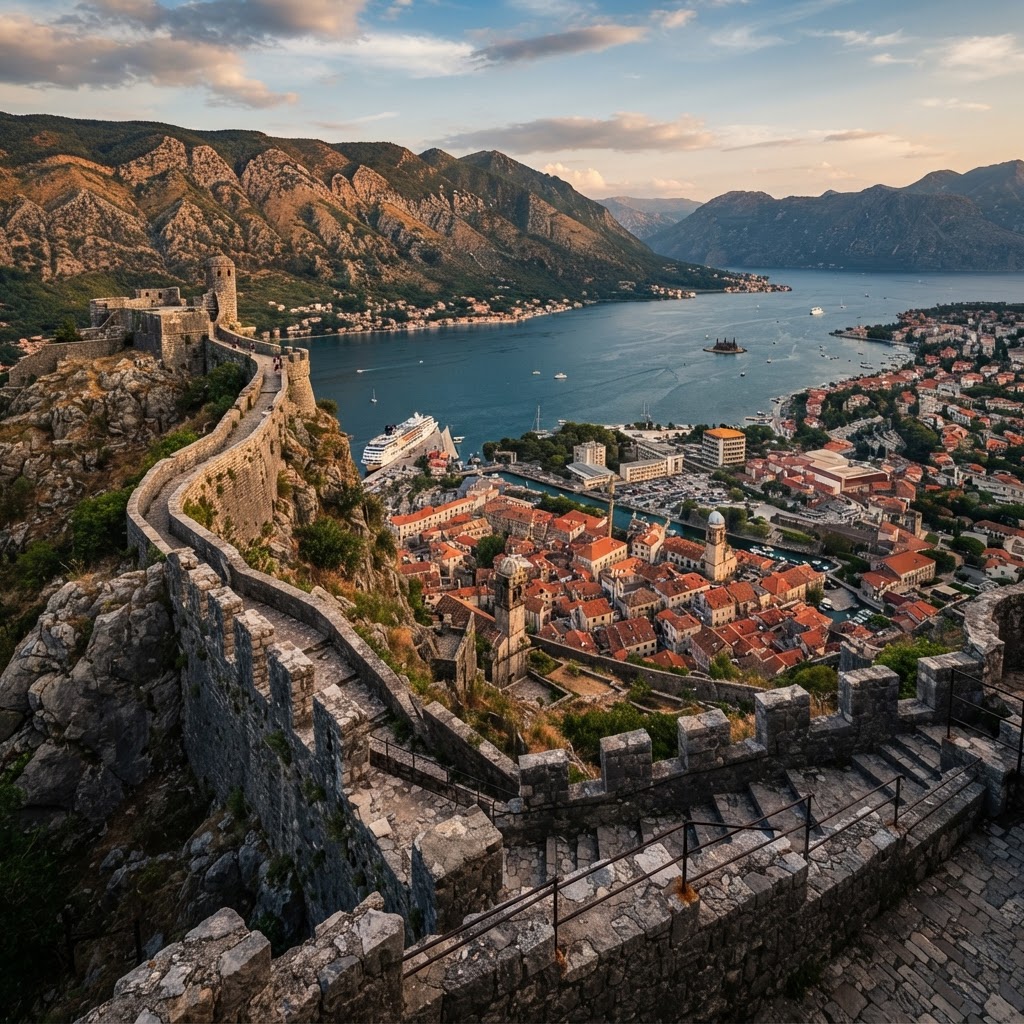
Located just a stone’s throw from the bustling city of Marseille, the small port of Cassis feels like another world entirely. Known for its colorful harbor filled with bobbing fishing boats and its surrounding calanques, Cassis has a refined, leisurely pace. The town is surrounded by some of the most prestigious vineyards in Provence, adding a layer of agricultural tradition to the coastal experience. With viticulture dating back to Roman times, the Cassis AOC (Appellation d’Origine Contrôlée) is one of the oldest in France, established in 1936. Unlike the high-intensity tourism of the French Riviera, Cassis maintains a quota on visitor numbers during peak months to preserve the local atmosphere. The harbor is lined with 18th-century merchant houses that retain their original pastel facades, providing a visual link to the town’s past as a bustling commercial trading port.
The Cultural Essence of French Coastal Life
In Cassis, the daily rhythm revolves around the port. Early mornings start with fishermen selling their catch, while evenings are dominated by locals gathering for a glass of white wine in the town square. This isn’t a place for major tourist attractions; it is a place for living, breathing, and experiencing the Mediterranean way of life at its most authentic.
Hydra, Greece: The Island Where Time Stops
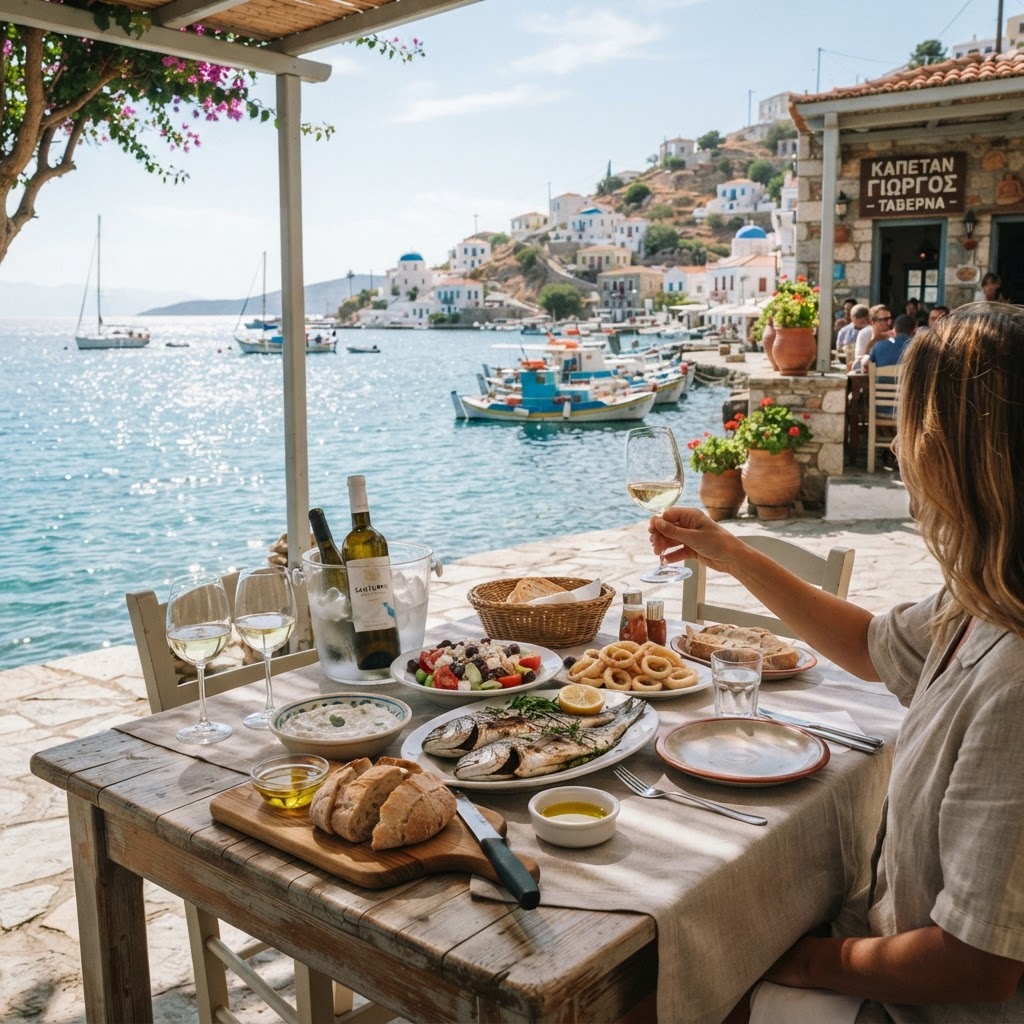
Perhaps the most distinctive on our list, Hydra is a car-free island that enforces a strict sense of tradition. Because motorized vehicles are banned, the sound of the streets is limited to the clicking of donkeys’ hooves on stone paths. This lack of modern transport keeps the atmosphere remarkably consistent with what it was a century ago. The island is protected by the Greek Ministry of Culture, which ensures the architectural uniformity of its stone-built villas. Visitors must rely on water taxis or their own two feet to traverse the hilly terrain, creating a forced, beneficial “slow travel” environment. With a population of just under 2,000 residents, the community remains tight-knit, favoring traditional artisan shops over mass-market retail.
Why Hydra Feels So Different
- No cars or motorbikes allowed on the island.
- Strict preservation of 18th-century stone mansions.
- A thriving local artistic community that has lasted decades.
This makes Hydra one of the premier Mediterranean coast towns that feel timeless. Visitors are forced to walk or take water taxis, which naturally changes the way you explore the geography of the island. It encourages you to slow down and notice the finer architectural details.
Kotor, Montenegro: The Fjord of the Adriatic
Nestled deep within a mountain-fringed bay, Kotor offers a dramatic landscape that feels like it belongs in a folktale. The fortified Old Town, a UNESCO World Heritage site, is a labyrinth of cobblestone streets and hidden piazzas. Climbing the ancient fortifications up to the Castle of San Giovanni provides a view that has inspired travelers for centuries. Built between the 9th and 18th centuries, the walls stretch over 4.5 kilometers, protecting the city from both land and sea. The town is famous for its resilient maritime history, having survived numerous earthquakes and invasions, including the great 1979 earthquake which destroyed 60% of the old town’s structures—all of which were meticulously restored using traditional materials to maintain the UNESCO status. Visitors can climb the 1,350 steps to the fortress for a nominal fee, which supports the ongoing preservation of the stone masonry.
History Behind the Walls
The history of Kotor is a tapestry of Venetian influence and local resilience. The sheer walls of the town served as protection against invaders for generations, and today, they serve as a boundary between the modern world and the quiet, stone-paved interior. Walking through the Sea Gate transports you into a setting that feels remarkably undisturbed.
Piran, Slovenia: The Venetian Beauty
Often overlooked in favor of its Italian neighbors, Piran is a breathtaking example of Venetian Gothic architecture on the Slovenian coast. The town is built on a narrow peninsula, with the red-roofed buildings huddled tightly together. The main square, Tartini Square, serves as the social heart of the town, surrounded by elegant buildings that mirror the grandeur of Venice. Piran was a vital part of the Venetian Republic from 1283 to 1797, and this period left an indelible mark on its urban planning and aesthetic style. Today, the town is a center for salt production, utilizing traditional 14th-century methods at the nearby Sečovlje Salina Nature Park. The narrow alleys were designed to provide shade and protection from the strong ‘Bora’ wind, a natural phenomenon that defines the coastal climate and local architecture.
Preserving the Spirit of the Coast
When visiting these Mediterranean coast towns that feel timeless, it is essential to act as a mindful traveler. Part of what makes these places so special is their ability to remain unchanged. By supporting local businesses, respecting local customs, and visiting during the shoulder seasons, we can help ensure that these villages retain their character for future generations to explore and enjoy. Shoulder season travel—typically April, May, September, and October—offers the perfect balance of mild weather and lower tourist density, reducing the strain on town infrastructure.
Tips for the Slow Traveler
- Stay in locally-owned guesthouses rather than large resorts.
- Eat seasonally at local tavernas and markets.
- Learn basic phrases in the local language.
- Embrace the ‘siesta’ culture rather than fighting it.
FAQ
Q: What is the best time of year to visit these timeless Mediterranean towns?
For the best balance of weather and crowd levels, visit during the shoulder seasons of May or September. You will avoid the peak heat and massive cruise ship crowds, allowing you to experience the authentic daily rhythm of these coastal villages.
Q: Are these timeless towns expensive to visit?
Costs vary, but staying in locally-owned guesthouses and eating at local markets is often more affordable than resorts. While major hubs like Cassis can have a premium, hidden gems like Kotor and Piran offer significant value for travelers focusing on local experiences.
Q: Do I need a car to visit these towns?
No, in fact, renting a car is often a hindrance rather than a help. Towns like Hydra are entirely car-free, and cities like Piran or Polignano a Mare have very limited parking, making public transit or walking the superior choice for exploration.
Q: How can I ensure my visit remains sustainable?
Support the local economy by dining at family-run tavernas and purchasing handicrafts instead of mass-produced souvenirs. Additionally, respect local customs, such as observing siesta hours and maintaining quiet in residential areas, to minimize your impact on the local lifestyle.
Q: Is English widely spoken in these historic villages?
While tourism in these regions is common, you will find English is most frequently spoken in hotels and restaurants. Learning a few basic phrases in the local language (Greek, Italian, French, or Montenegrin) is highly encouraged and often rewarded with better service and warmer interactions.
Leave a Reply