
Seville oranges and azulejo tiles create the quintessential Spanish aesthetic by blending the natural, fragrant warmth of Andalusian citrus groves with the intricate, geometric artistry of Moorish-inspired ceramic tilework. This design style transforms homes by pairing vibrant botanical motifs, sun-drenched color palettes, and durable, heat-resistant craftsmanship to evoke the soul of southern Spain.
The Enduring Appeal of Seville Oranges
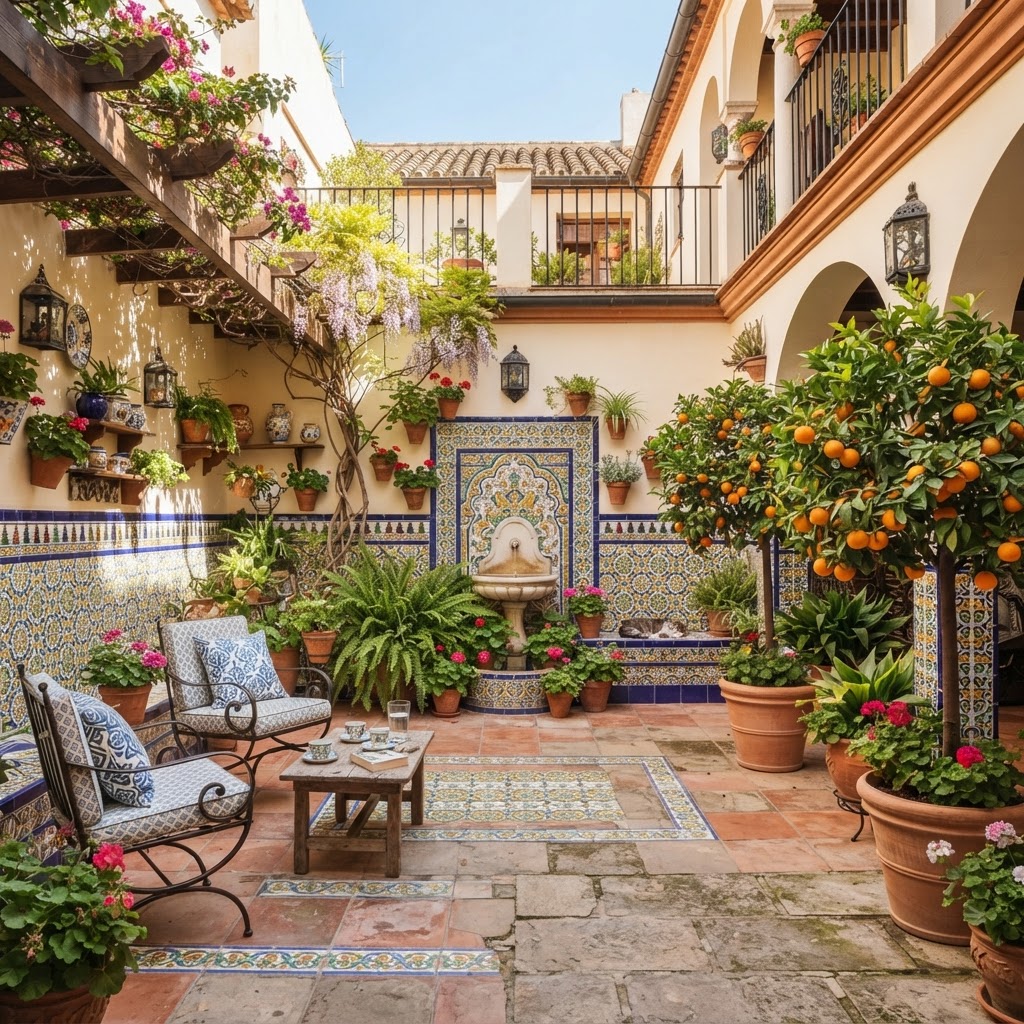
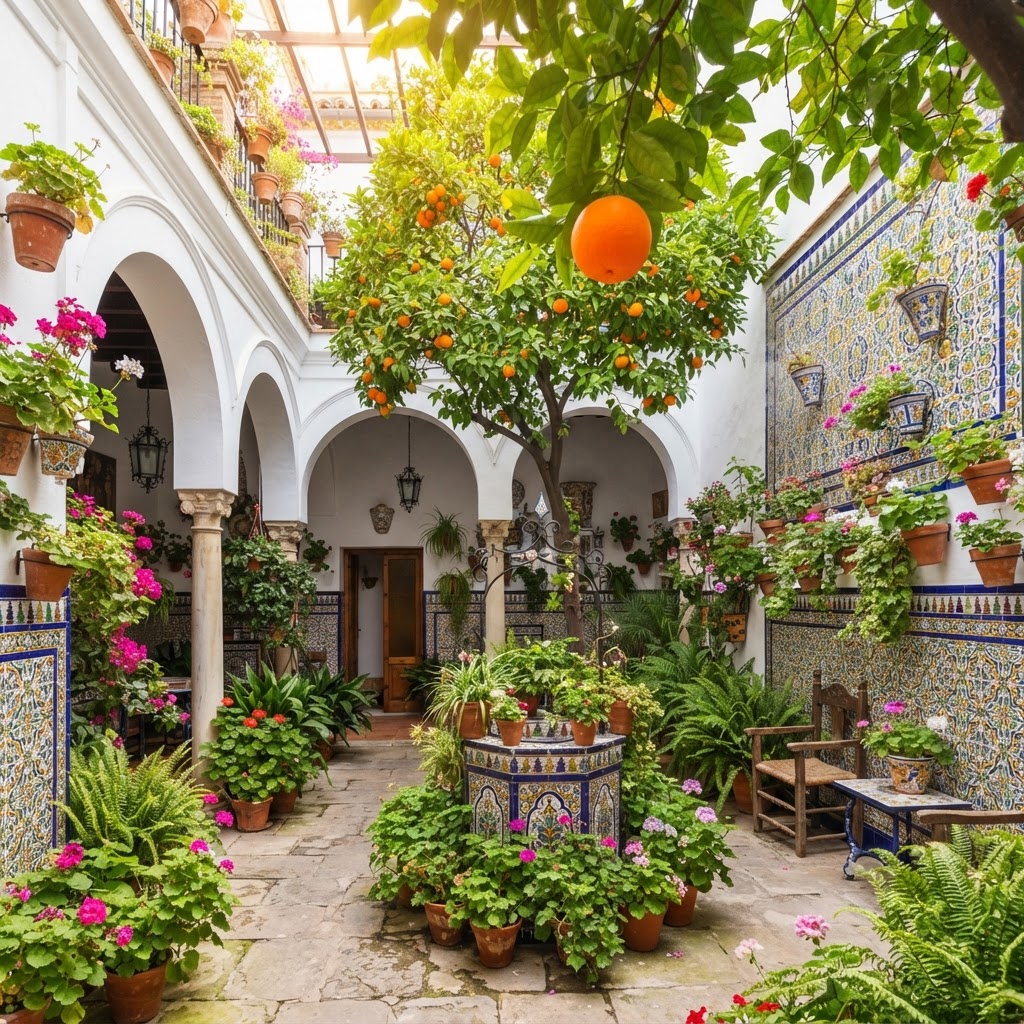
Seville oranges (Citrus aurantium) serve as a functional and aesthetic anchor in Spanish design, representing the agricultural heritage of the Andalusia region where over 40,000 orange trees line the streets. These trees are prized not for their bitter fruit, which is primarily used for marmalade, but for their fragrant white blossoms—known as azahar—which provide a distinct sensory experience. In interior design, the Seville orange palette relies on high-contrast colors: deep forest greens, creamy whites, and intense citrus oranges. When incorporating this style, focus on botanical authenticity rather than plastic imitations. You can achieve this by installing framed 19th-century botanical prints, sourcing high-quality ceramic planters that mirror the fruit’s shape, or using textiles that feature the iconic orange blossom pattern. The goal is to capture the ambiance of a private Andalusian courtyard, where the fruit provides a natural pop of color against neutral stone or whitewashed walls, grounding the space in the Mediterranean landscape.
| Feature | Seville Orange Aesthetic | Traditional Modern Minimalist |
|---|---|---|
| Color Palette | Warm, Vibrant, Saturated | Neutral, Monochromatic, Cool |
| Texture Focus | Natural Wood, Glazed Ceramics | Matte Metal, Glass, Concrete |
| Sensory Element | Floral Scent, Organic Shapes | Scentless, Sharp Geometry |
| Primary Inspiration | Andalusian Gardens | Industrial Urbanism |
Incorporating Citrus Motifs
Beyond literal representations, the spirit of the Seville orange can be woven into your decor through broader interpretations. Consider using warm, earthy tones that mimic terracotta pots and sun-baked earth. Accent pieces in burnt orange or deep saffron can add pops of color reminiscent of the fruit. Even the scent of orange blossom or citrus essential oils can contribute to the overall ambiance, engaging the sense of smell and enhancing the Mediterranean feel. This naturalistic approach adds a layer of authenticity and a connection to the outdoors that is central to the Spanish way of life.
The Artistry of Spanish Ceramic Tiles (Azulejos)
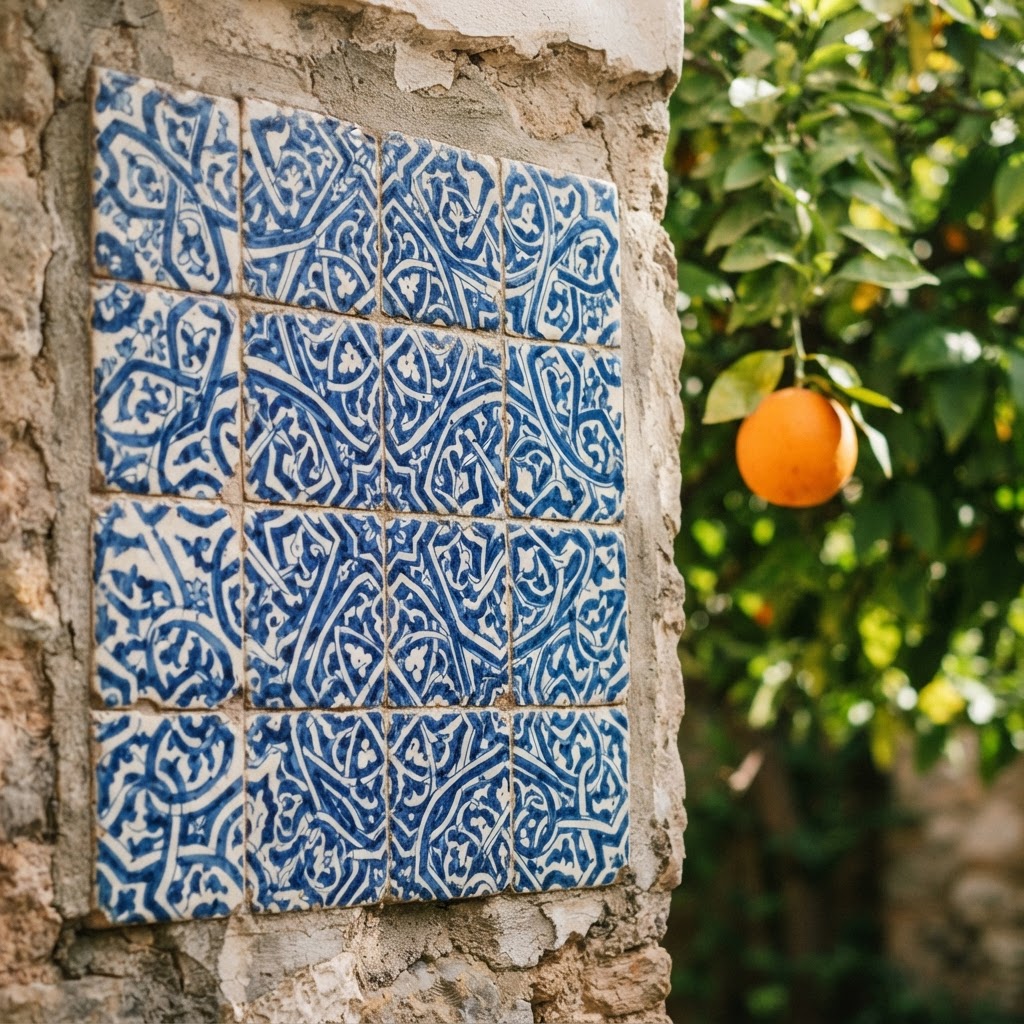
Azulejos are the technical backbone of Spanish interior design, dating back to the 13th century when Moorish artisans introduced tin-glazed ceramic techniques to the Iberian Peninsula. These tiles are categorized by their firing process and thickness, usually ranging from 5mm to 10mm, and are chosen specifically for their thermal mass properties, which keep interior spaces up to 10 degrees cooler in hot climates. Authentic azulejos are hand-painted and kiln-fired, creating slight imperfections in the glaze that signify high-quality artisanal craftsmanship. In modern applications, tiles are used to create ‘carpets’ on floors or to frame doorways, providing a durable, moisture-resistant surface that remains elegant for decades. Because they are moisture-resistant, they are the gold standard for kitchens and bathrooms, offering a maintenance-free solution that resists staining and heat. Integrating these requires a balance of scale; use highly intricate patterns as focal points like backsplashes, and offset them with solid-colored, hand-pressed terracotta or plain subway tiles to prevent visual clutter while maintaining the aesthetic integrity of the room.
Understanding Tile Patterns and Styles
- Geometric Patterns: Rooted in Moorish traditions, these intricate and symmetrical designs offer a sense of order and timeless elegance. They are perfect for creating a sophisticated and classic look.
- Floral and Botanical Motifs: Inspired by the natural world, these patterns often feature stylized flowers, leaves, and, of course, citrus fruits. They bring a sense of organic vibrancy and color.
- Narrative Tiles: Less common but incredibly striking, these tiles depict scenes or stories, often found in historical contexts or as special commissioned pieces.
- Single-Color Glazes: Simple yet effective, solid-colored tiles in deep blues, greens, ochres, or whites can be used to create striking patterns or provide a complementary backdrop to more detailed designs.
Merging Oranges and Tiles: The Andalusian Harmony
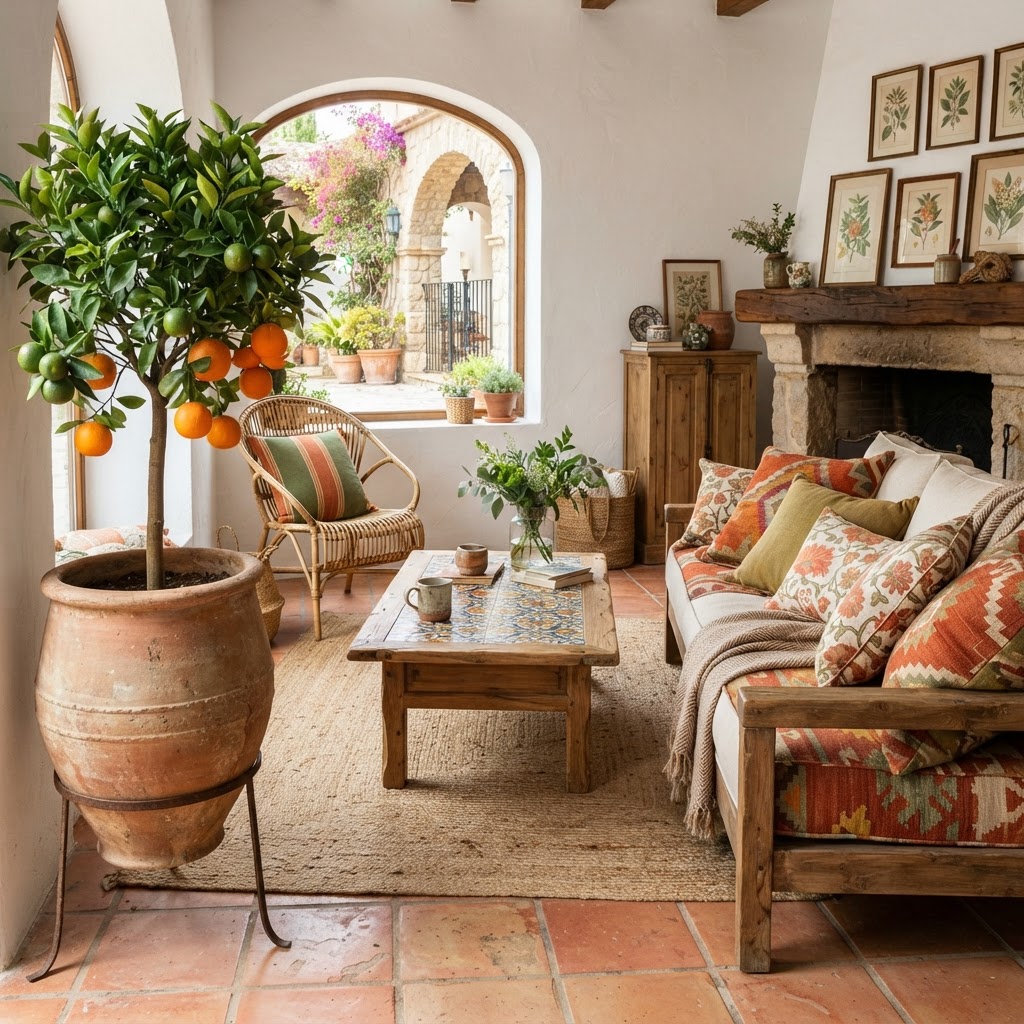
Creating an Andalusian harmony involves balancing the ‘cool’ geometry of ceramic tiles with the ‘warm’ organic chaos of citrus elements. To successfully execute this, designers often use the 70/30 rule: 70% of the room should consist of neutral, earthy foundations (terracotta flooring or whitewashed walls), while 30% acts as the ‘Spanish’ accent layer. The tiles serve as the structural anchor, often placed at eye level in kitchens or as decorative risers on staircases, while the citrus elements provide the seasonal, decorative layer that softens the hard edges of the ceramic. For example, placing a vibrant, blue-and-white patterned tile backsplash behind a kitchen counter allows you to introduce warm orange textiles or actual potted citrus trees on the counter to tie the space together. This interplay of color, texture, and form is what makes the Spanish style so captivating and enduring. It is a design philosophy that embraces the senses, utilizing the high reflectivity of glazed tiles to amplify natural light, which in turn highlights the deep, rich pigments of the citrus decor.
Beyond the Kitchen and Patio: Integrating the Aesthetic Throughout Your Home
Extending the Spanish aesthetic beyond high-traffic areas requires tactical placement of natural materials and artisanal accents. In living rooms, incorporate wrought iron, a classic material in Spanish architecture, to frame entryways or act as window guards, which creates a visual dialogue with the geometric patterns found in your tile work. Textiles are critical here; opt for linen or heavy cotton fabrics that breathe well in warm climates, featuring intricate embroidery inspired by tile patterns. In bedroom spaces, avoid overly loud patterns; instead, focus on the ‘Seville’ palette of soft sage greens and muted orange ochres. You can incorporate hand-painted ceramic lamp bases or tiles set into the top of wood side tables to provide subtle nods to the Mediterranean style without overwhelming the room. Utilizing natural wood beams (exposed) or light wood furniture complements the terracotta floor tiles, ensuring the space remains grounded, artisanal, and authentically reflective of the Spanish interior design tradition.
Outdoor Living: The Spanish Patio Dream
The Spanish patio, or ‘patio andaluz,’ acts as the primary living space during warmer months and is traditionally centered around a water feature to provide evaporative cooling. To replicate this, use porous terracotta paving tiles which are essential for regulating surface temperatures under direct sunlight. Surround your seating area with citrus trees in large ceramic pots; these provide both privacy and a natural perfume. For the best growth, Seville orange trees require at least 6 to 8 hours of direct sunlight and well-draining soil. Integrate your azulejos into the space by tiling the fountain or the bench surfaces to draw the eye toward the center of the patio. Wrought iron furniture, while cold to the touch, is standard; supplement it with thick, weather-resistant cushions in vibrant saffron or deep olive tones to ensure comfort. This outdoor extension of your home becomes a sanctuary, a place where the vibrant spirit of Andalusia truly comes alive.
FAQ
Why are Seville oranges popular in Spanish decor?
Seville oranges are a symbol of Andalusia’s agricultural history and are iconic for their fragrant blossoms (azahar) and vibrant color. They represent the region’s connection to nature and provide a distinct, warm palette of deep greens and bright oranges that ground Spanish interior design.
What makes a tile an authentic ‘Azulejo’?
An authentic azulejo is a tin-glazed ceramic tile that is hand-painted and fired in a kiln, typically using traditional geometric, floral, or narrative motifs. These tiles are prized for their durability, heat resistance, and unique ability to reflect light in Mediterranean interiors.
How can I make a room feel Spanish without a renovation?
Incorporate the Spanish aesthetic by adding textiles in saffron and olive green, using ceramic decorative objects, or installing framed botanical prints of orange trees. You can also add small-scale tile accents like mosaic-top coffee tables or decorative tiles in a fireplace surround.
Are real orange trees suitable for indoor decor?
Real orange trees can thrive indoors if they receive at least 6-8 hours of bright, direct sunlight and are kept in well-draining, high-quality citrus soil. They are excellent for adding fragrance and a authentic organic element to a Spanish-inspired room or patio.
Where should I place azulejos for the best visual impact?
Azulejos create the highest impact when used as a focal point, such as on a kitchen backsplash, a staircase riser, or as an accent border around a doorway. They are also highly functional for bathrooms or outdoor patios due to their resistance to moisture.
Leave a Reply