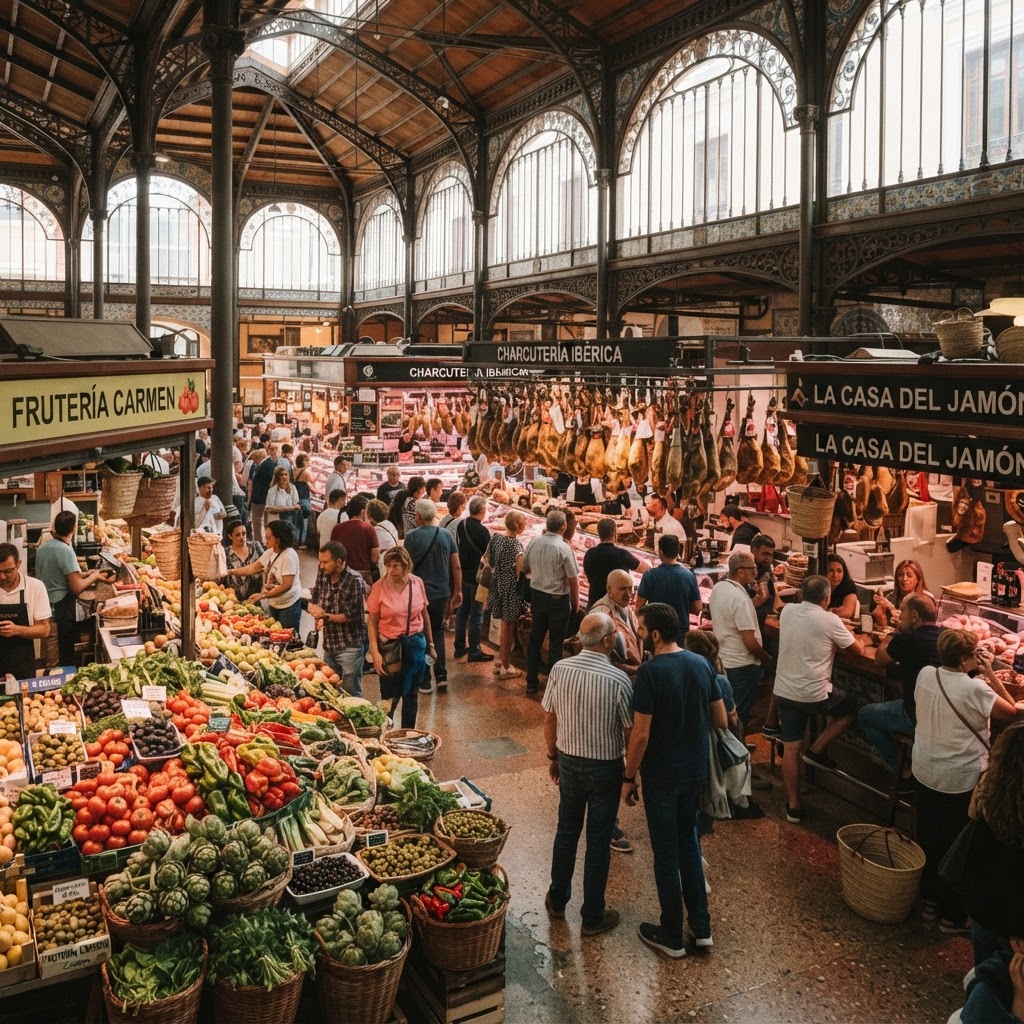
Spanish markets are essential cultural hubs that serve as the beating heart of the Iberian Peninsula, functioning as vibrant community spaces where locals buy fresh, seasonal produce while engaging in daily social rituals. These markets offer a unique, sensory-rich window into authentic Spanish life, bridging the gap between historical tradition and modern culinary trends across every region.
The Cultural Significance of Spanish Markets
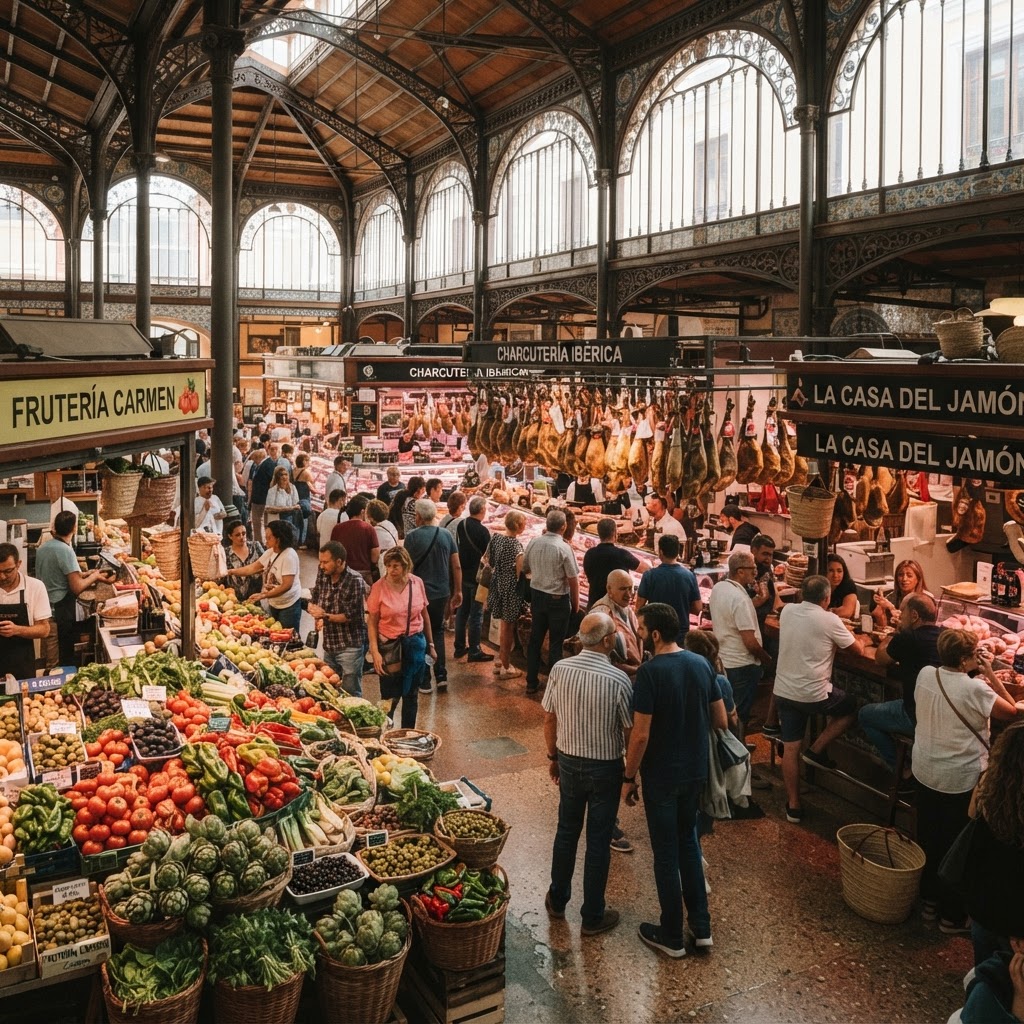
In Spain, the market serves as the neighborhood’s living room, maintaining its status as a cornerstone of community life despite the rise of modern supermarkets. Locals treat these spaces as vital social anchors where they gossip, debate politics, and share morning coffee with multi-generational stall owners. This deep connection to food sourcing represents a fundamental pillar of Spanish culture, prioritizing local, seasonal, and high-quality ingredients. By visiting these markets, travelers participate in a tradition that values artisan craftsmanship over mass-market convenience. Whether it is a cheesemaker explaining their aging process or a fishmonger displaying the morning’s catch from the Mediterranean, the market provides an intimate look at the pride behind Spanish gastronomy. Visitors can expect a more personal experience, often paying slightly more than at chain stores for goods that possess significantly higher flavor profiles and provenance transparency.
Comparison: Traditional Markets vs. Supermarkets
| Feature | Traditional Spanish Markets | Modern Supermarkets |
|---|---|---|
| Sourcing | Locally grown/seasonal | Global distribution |
| Social Interaction | High (Talk to owners) | Low (Self-checkout) |
| Payment | Cash/Small Card | Card/Contactless |
| Price Point | Mid to High | Low to Mid |
Navigating the Iconic Boqueria Market
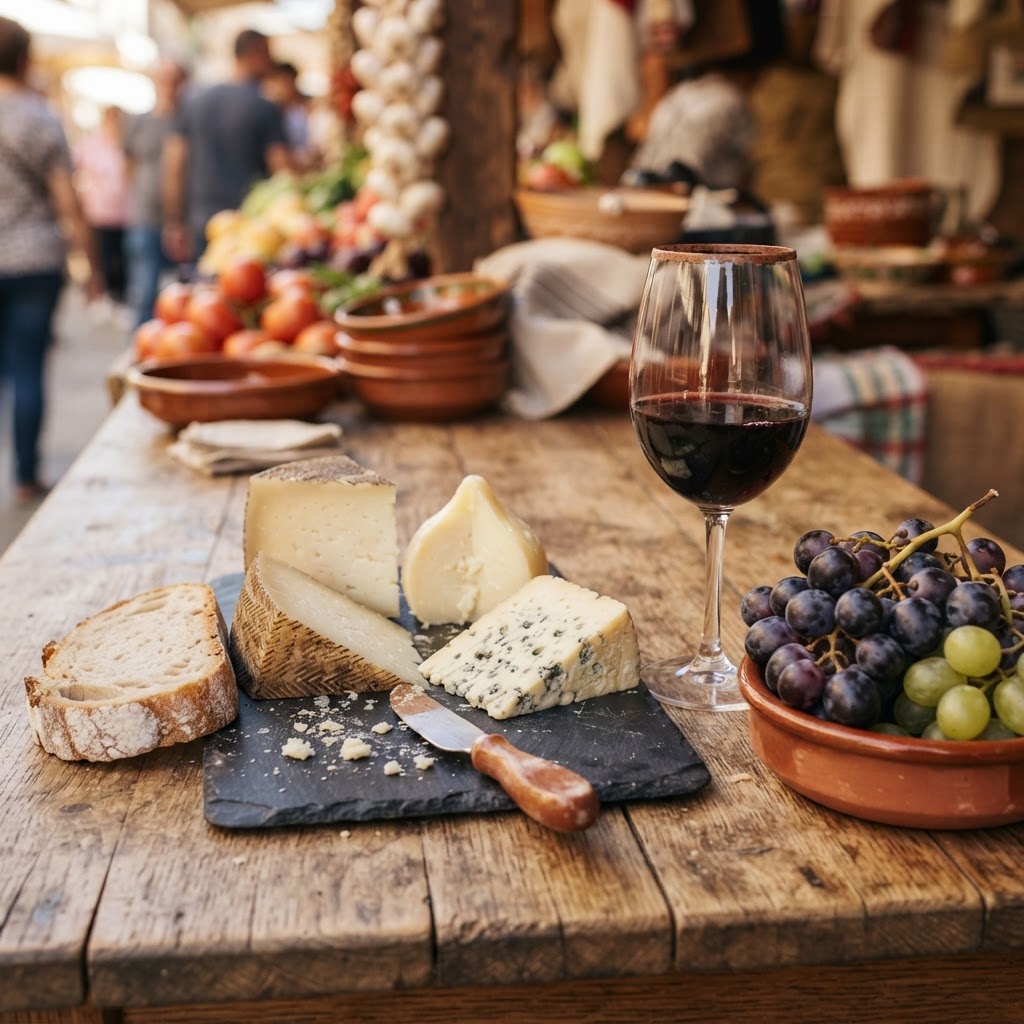
Barcelona’s La Boqueria, located just off the bustling Las Ramblas, is the quintessential example of Spanish markets full of color and life, functioning as a historic iron-wrought hall of gastronomy. This landmark, which traces its roots back to 1217 as an open-air site, now hosts over 300 stalls that form a sensory kaleidoscope of textures and tastes. Visitors will find glistening olives, exotic dragon fruit, and freshly carved jamón ibérico, creating a visual display that is as much an artistic exhibit as it is a grocery hub. To navigate it effectively, one must move past the front stalls near the entrance, which cater largely to tourists, and head deeper into the market where locals conduct their daily business. The pricing in the central stalls is typically 15-20% lower than those closest to the main promenade.
Essential Tips for Market Visitors
- Go early in the morning (before 10:00 AM) to beat the tourist crowds and see the freshest stock.
- Bring cash in small denominations, as many small vendors struggle with the transaction fees of digital payments.
- Look for stalls that have local queues; if the locals are lining up, the product is likely the freshest in the house.
- Don’t be afraid to sample; vendors are usually proud to offer a small slice of cheese or a single cherry to entice buyers.
The Sensory Experience: Sounds, Smells, and Sights
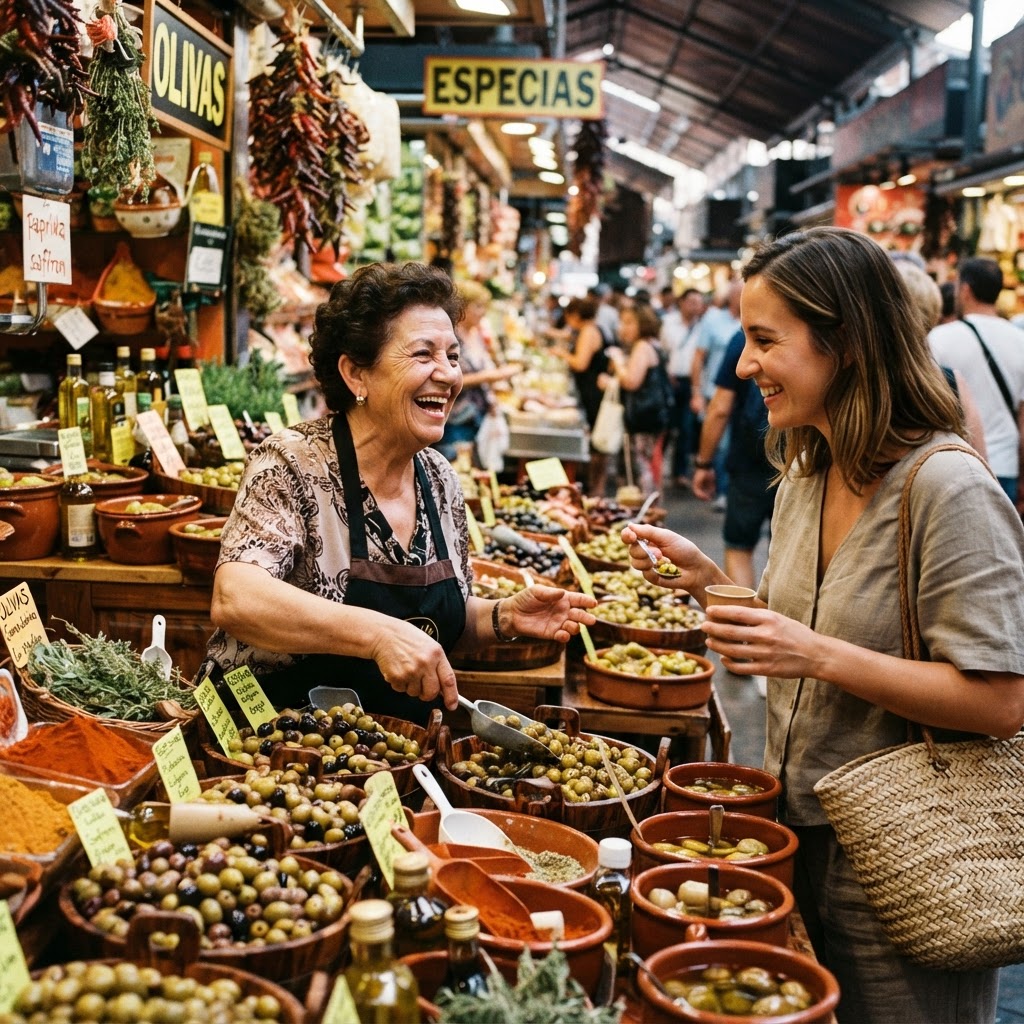
Spanish markets provide a multisensory experience that defines the regional character, engaging sight, smell, and sound to create an unforgettable traveler environment. The air is consistently thick with the aroma of freshly baked bread, earthy truffles, and the distinct, salty tang of aged jamón ibérico. The acoustic landscape is equally immersive, featuring the rhythmic ringing of knives against wooden blocks, the melodic, persuasive calls of vendors announcing daily “ofertas,” and the spirited hum of regional dialects. Visual aesthetics are meticulously curated, with stalls designed as miniature shrines to specific food groups. You will see vibrant, hand-stacked pyramids of saffron, piles of deep-purple artichokes, and hanging, cured ham legs that look like leather treasures. Every corner offers a new photograph and a sensory narrative that captures the essence of daily Spanish existence. This environment is intentionally designed to trigger hunger and connection, proving that the presentation of food in Spain is an art form of its own.
Exploring Regional Specialties Across Spain
While the concept of the market is universal across the Iberian Peninsula, the products shift dramatically to reflect unique regional topographies and climatic zones. In the Basque Country, markets focus heavily on Cantabrian seafood and local cheeses such as the smoky Idiazábal, often sourced directly from nearby mountain farms. In contrast, markets in Andalusia display strong Moorish influences, featuring an abundance of saffron, dried fruits, almonds, and honey-drenched pastries that reflect a history of trade and cultural exchange.
This regional diversity is precisely why food travel in Spain is so addictive; one might start their day with a classic pastry in a central plaza market in Madrid and end it with grilled octopus in a seaside fish market in Galicia. These markets ensure that every purchase is representative of the immediate landscape, effectively reducing “food miles” and supporting local farmers. As you travel from the north to the south, look for items labeled with regional protected designation of origin (DOP) seals, which guarantee that the product, such as a specific olive oil or cured sausage, was crafted using traditional methods within a strictly defined geographical area.
The Evolution of the Modern Spanish Market
Traditional markets are currently undergoing a major evolutionary phase, balancing historical preservation with the demands of modern tourism and gastronomic trends. The Mercado de San Miguel in Madrid serves as the primary case study for this transformation, shifting from a residential shopping venue into an upscale, high-end destination for tapas and craft cocktails. While traditionalists argue that these shifts dilute authenticity, these renovations often generate the necessary revenue to maintain aging, historic iron structures that would otherwise succumb to disrepair. For the modern traveler, this offers a unique hybrid experience: you can purchase heritage tomatoes from a traditional farmer at one stand, and immediately move to an adjacent stall for avant-garde artisan chocolate truffles or a glass of premium sherry. This blend ensures the market remains relevant to both the elderly local resident and the international culinary tourist, securing the survival of these social gathering places for the next century.
Social Connection and the Tapas Culture
One cannot discuss Spanish markets without acknowledging the intrinsic link to the culture of tapas, where small, standing-room-only bars tucked between produce stalls act as the community’s social glue. Eating a quick breakfast of ‘pan con tomate’ or a mid-morning snack of ‘boquerones’ is a habitual ritual that creates a bond between the shopper, the cook, and the seller. This social aspect reinforces the reality that markets are fundamentally about interpersonal connection rather than simple transaction. By frequenting these spaces, you are engaging directly with the supply chain in a way that is profoundly personal, honoring the immense effort behind the food. It creates a local community that values transparency and labor, which serves as the secret ingredient to why Spanish cuisine remains so internationally celebrated. When visiting these bars, don’t expect a formal seat; the “standing room only” nature is intentional, designed to keep the turnover fast and the social energy high as people cycle through their daily routines.
How to Support Local Vendors While Traveling
Supporting local vendors is one of the most sustainable travel practices, as it ensures that tourism revenue directly impacts the livelihoods of independent families. When you purchase fruit, cheese, or wine from a small independent stall, you are effectively reducing the carbon footprint of your meals by supporting ‘kilómetro cero’ (locally sourced) goods. Beyond the environmental impact, interacting with vendors provides a depth of cultural knowledge that cannot be found in supermarkets or chain restaurants. Ask specific questions about the origin of the produce, the process of the curing, or how a specific cheese is aged; most vendors are eager to share the story of their craft. This dialogue turns a simple lunch into a meaningful narrative and provides an authentic connection that supermarket shopping simply cannot replicate. By choosing the local stall over the international supermarket chain, you preserve the unique identity of the Spanish market economy for future generations.
FAQ
Q: What is the best time of day to visit a Spanish market?
Most Spanish markets are at their peak between 9:00 AM and 11:00 AM, when the produce is freshest and the local crowd is most active. Arriving early allows you to avoid the main tourist rush and observe the authentic interactions between vendors and long-term neighborhood residents.
Q: Do Spanish markets accept credit cards?
While many large or modernized stalls now accept cards, small independent vendors often prefer cash for smaller transactions. It is highly recommended to carry a mix of coins and small bills to ensure you can purchase items from any stall you choose.
Q: Are Spanish markets open on Sundays?
Most traditional Spanish food markets are closed on Sundays to allow vendors a day of rest, though this varies by city and tourist demand. Always check the specific market’s official website or Google Maps entry for updated weekly hours before planning your visit.
Q: Can I sample food before buying?
Yes, many vendors at Spanish markets are happy to offer small samples of cheese, fruit, or cured meats to potential buyers. It is considered polite to show genuine interest in the product before asking, and it is standard practice to buy a small amount if you enjoy the sample.
Q: What does ‘kilómetro cero’ mean in a market context?
‘Kilómetro cero’ refers to produce and goods that are sourced from within a very short distance of the market, typically within the local province. These items are seasonal and sustainable, representing the highest standard of freshness and support for the local agricultural economy.
Leave a Reply