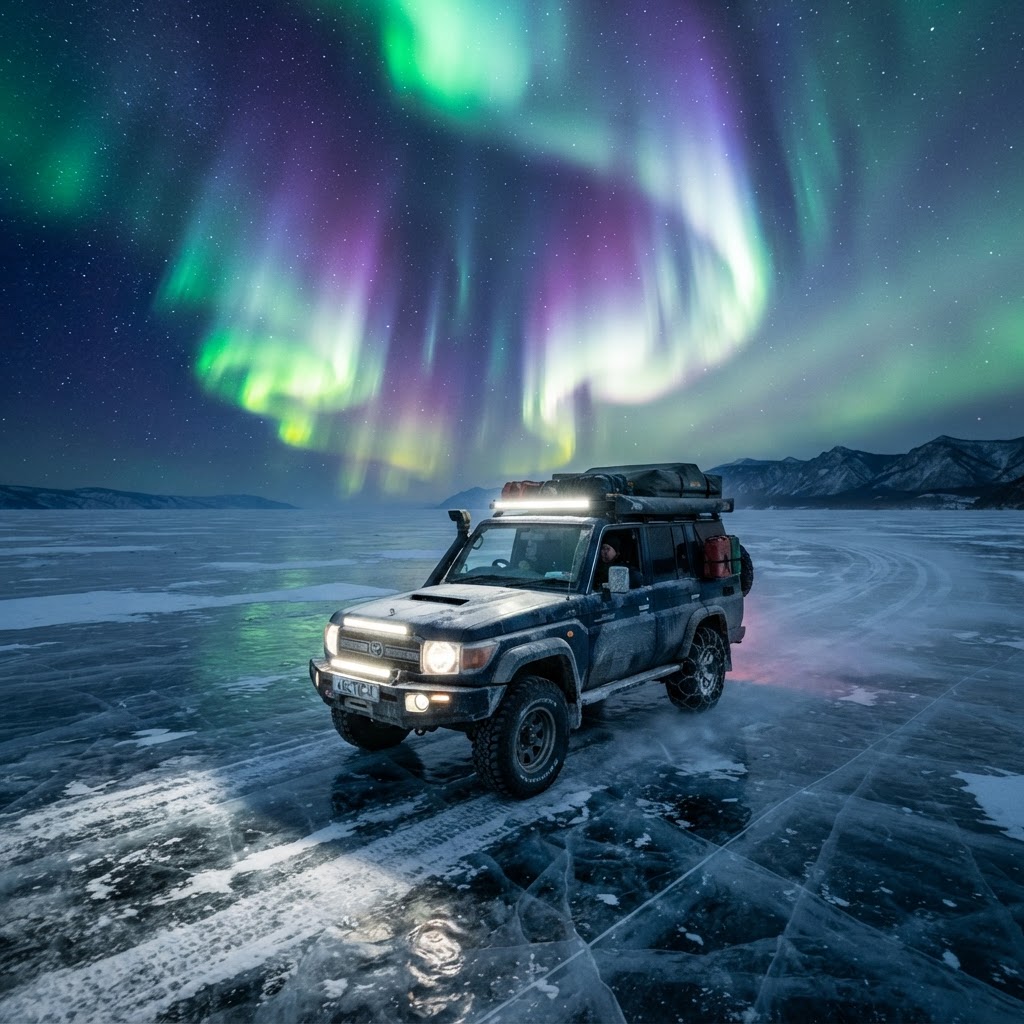
Frozen Lakes & Arctic Roads: The Ultimate Winter Guide
Navigating frozen lakes and Arctic roads requires a minimum of 12 to 15 inches of solid, clear ice for passenger vehicles, paired with specialized high-clearance 4×4 equipment and rigorous safety protocols. This extreme environment demands advanced preparation to manage sub-zero temperatures, shifting ice integrity, and remote mechanical failure risks.
Understanding the Dynamics of Ice and Infrastructure
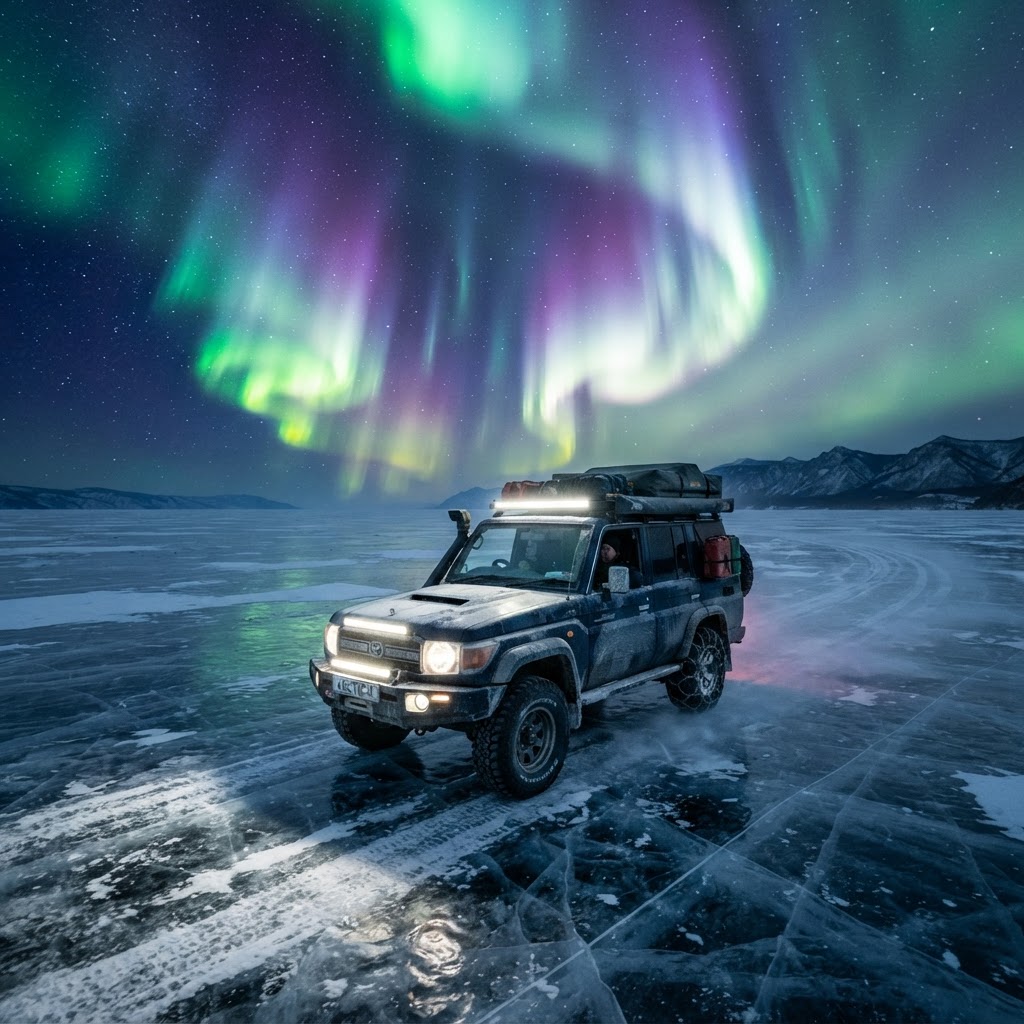
When you engage with frozen lakes & Arctic roads, you are interacting with a complex geological system that is constantly shifting due to water currents, wind pressure, and thermal expansion. Professionals who maintain these winter roads rely on ground-penetrating radar to ensure that the structural integrity remains sufficient for transit. For the civilian traveler, it is vital to recognize that no ice is ever 100% safe, as hidden thermal vents or river inlets can create thin patches invisible to the naked eye.
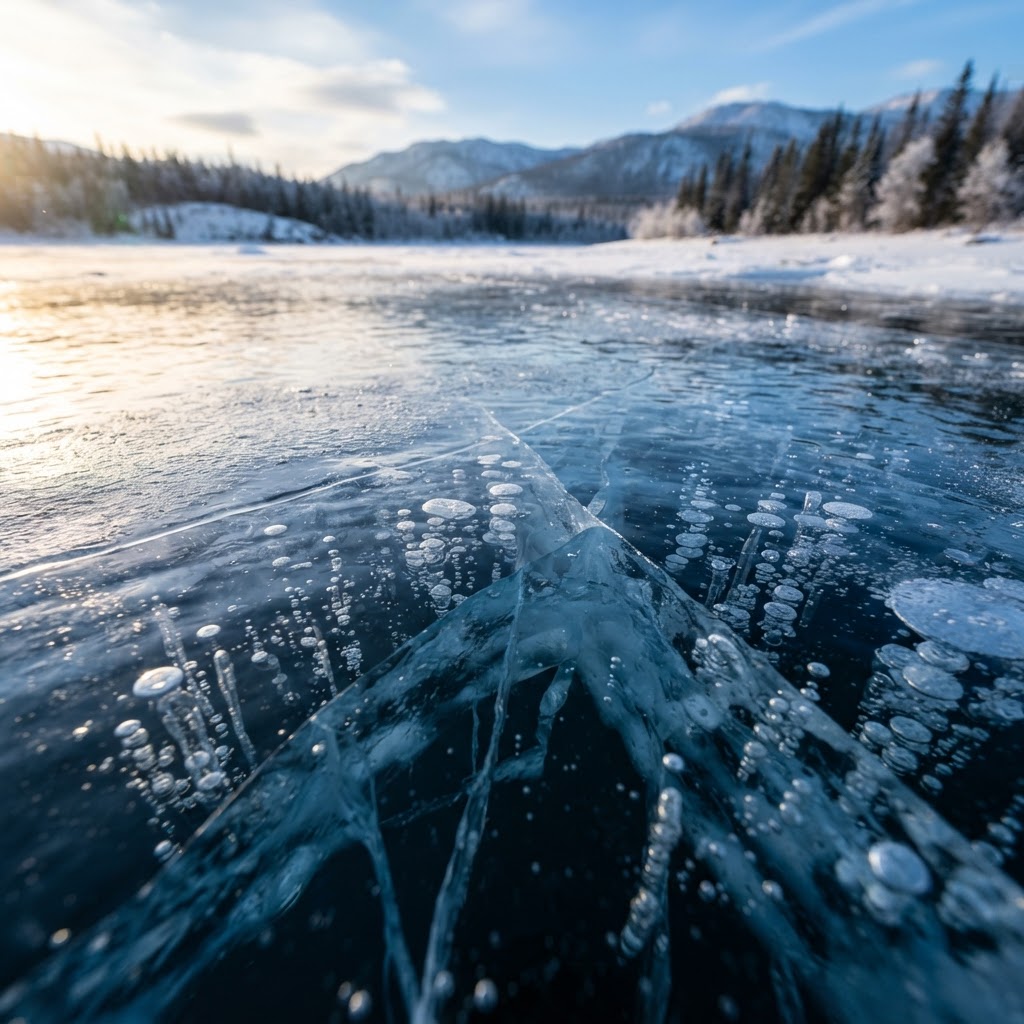
Ice behaves differently based on its structural composition, with clear “black ice” generally offering higher load-bearing strength than white, opaque snow-ice. Drivers must understand the “ice road load limit” charts, which categorize vehicles by weight (e.g., standard SUV vs. heavy haulers) and dictate required ice thickness. For example, while 12 inches may support an SUV, heavy freight often requires 24 to 30 inches or more to prevent hydrostatic pressure cracking. Always consult local official “ice road status” bulletins before departure, as these are updated daily based on real-time thickness measurements, not seasonal projections.
The Science Behind Ice Thickness
Ice thickness is not uniform across a lake, even during the coldest peaks of winter. The crystalline structure of ice forms differently depending on the purity of the water, the presence of trapped air bubbles, and the rate of freezing. Most authorities advise that at least 12 to 15 inches of clear, hard ice are necessary to support a standard passenger vehicle. It is essential to consult local authorities, as the official status of these routes changes daily based on real-time measurements rather than seasonal averages.
Essential Preparation for Your Vehicle
Before you set out on any trip involving frozen lakes & Arctic roads, your vehicle must be modified to handle conditions that would stop a standard car in its tracks. A stock vehicle is rarely sufficient for the deep freeze of the Arctic circle where ambient temperatures drop below -40°F. You will need a high-clearance 4×4 or AWD vehicle equipped with specialized studless winter tires that feature a high silica content for better grip on ice.
Beyond the tires, ensure that all synthetic fluids are rated for extreme temperatures; standard engine oil and transmission fluid can turn into sludge, causing catastrophic internal friction. A secondary fuel pump, an engine block heater (essential for starting at -30°F), and a deep-cycle auxiliary battery are not optional additions—they are prerequisites for survival. Consider installing a “cold weather kit” which includes a fuel line antifreeze additive to prevent crystallization. Carrying a backup jump pack with a lithium-ion core is also vital, though you must keep it in the passenger cabin to maintain internal battery chemistry warmth.
Safety Protocols for Ice Road Driving
Safety is the paramount concern when dealing with ice road driving tips that prioritize survival over speed. First and foremost, you must always travel with a companion vehicle or ensure that your route is monitored by a satellite tracking service like Garmin InReach. Never unbuckle your seatbelt while crossing a stretch of open lake; if your vehicle begins to sink, you need to be able to exit instantly, and unbuckling is the first step in your rapid evacuation plan.
Keep your windows cracked to ensure that the cabin pressure does not trap you inside if you are forced to escape suddenly, as sinking vehicles can experience an air-lock effect. It is also recommended to carry a handheld ice chisel or a specialized drill to test the surface periodically if you are navigating off-marked paths. When driving on ice, maintain a distance of at least 50 meters from the vehicle in front of you to prevent “harmonic vibration,” where multiple vehicles create waves in the ice that can cause a sudden breach. If you hear a “thumping” or “cracking” sound, stop immediately and reverse slowly along your original tire tracks to reach firmer ground.
Essential Gear for Remote Northern Travel
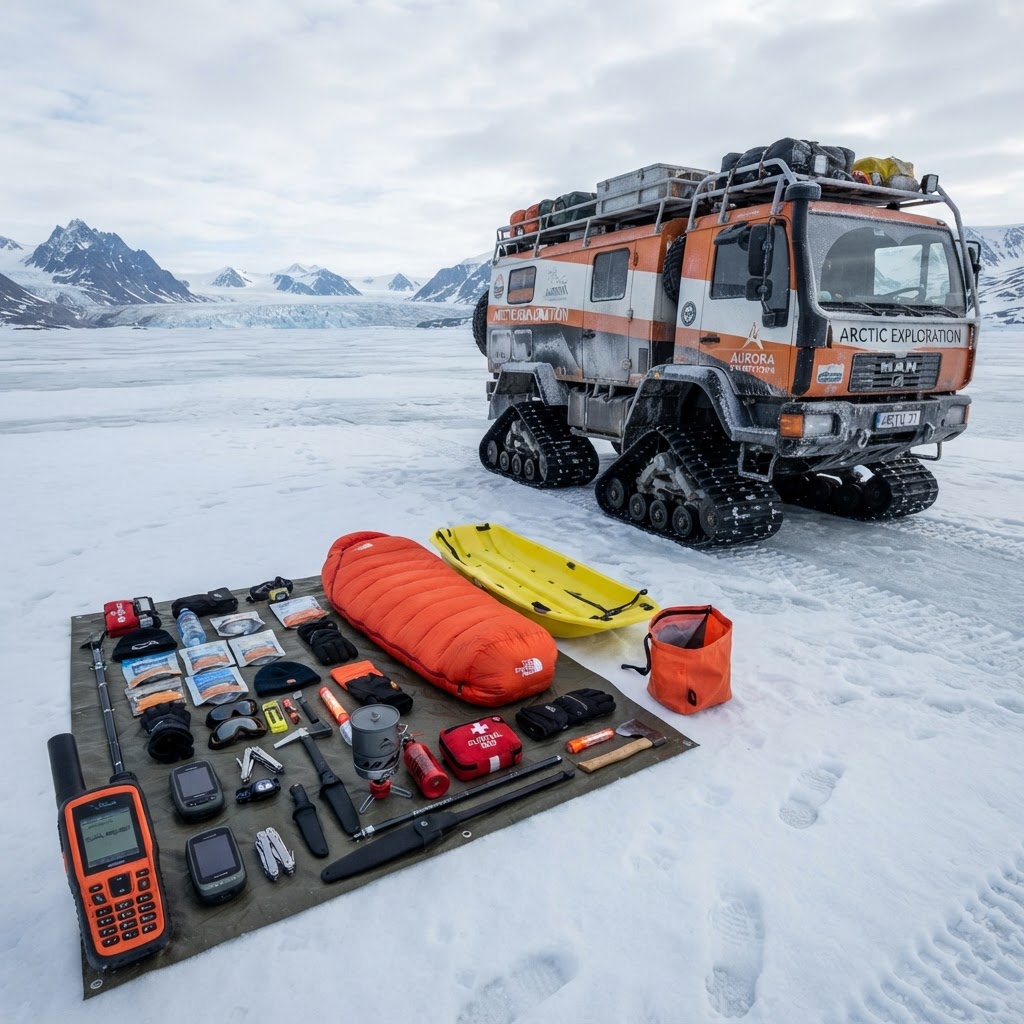
Preparing for the extreme cold requires a layering system that works even if you are stranded for several days. Even if you are inside a heated vehicle, an engine failure can drop your internal temperature to ambient levels within an hour. Your survival kit should include:
- High-calorie, non-perishable food items like pemmican or nut butters.
- Rated sleeping bags suitable for temperatures down to minus 50 degrees.
- A satellite communication device such as an InReach for emergency alerts.
- Portable heating solutions, including chemical hand warmers and charcoal-based heaters.
- A comprehensive first-aid kit specifically designed for frostbite and hypothermia treatment.
- A collapsible shovel and high-traction recovery boards for clearing snow drifts.
The Art of Winter Landscape Photography
Capturing the ethereal glow of the Arctic environment while navigating frozen lakes & Arctic roads presents a unique set of technical challenges. Extreme cold drains lithium-ion batteries at an accelerated rate, often leaving photographers without power after just a few minutes of exposure. You should always carry spare batteries close to your body heat, ideally in an interior pocket of your parka.
Furthermore, the massive shift in temperature when moving from the cold outdoors to the heated interior of a vehicle can cause internal condensation, which can permanently damage sensitive optics and circuitry. To prevent this, place your camera gear inside a heavy-duty, sealed plastic bag or a specialized dry bag before entering a heated space. Allow the equipment to acclimate slowly over three to four hours. This condensation management is critical; if you skip this step, moisture can form on the internal sensor elements, leading to blurry images or short-circuits. Additionally, use “cold-proof” mechanical shutter releases rather than touch-screen displays, as capacitive touch sensors often become unresponsive or brittle in temperatures below -20°C.
Embracing the Silence of the Arctic Wilderness
There is a profound, meditative silence that exists on the frozen expanse of a northern lake that is hard to find anywhere else on Earth. Being miles from the nearest civilization allows one to experience the Arctic as it has been for millennia—vast, unyielding, and utterly magnificent. The lack of light pollution provides some of the best stargazing opportunities on the planet, with the aurora borealis often dancing directly overhead. However, this beauty demands respect; the boundary between a spiritual experience and a life-threatening crisis is defined solely by your level of preparation, your situational awareness, and your willingness to defer to the weather when conditions turn against you. While extreme environments like the Arctic require heavy gear and survival training, those seeking warmer climates for their next adventure might prefer to research the best Santorini balcony views for a relaxing sunset experience.
FAQ
Q: What is the minimum ice thickness for a car?
Most safety experts recommend a minimum of 12 to 15 inches of clear, hard ice for a standard passenger vehicle. You must verify local reports daily, as “white ice” or snow-covered ice may require significantly more thickness to provide the same load-bearing capacity as clear, blue ice.
Q: How do you prevent ice road vehicle sinking?
Maintain a safe distance between vehicles to avoid harmonic resonance, which can cause the ice to flex and crack. If you notice cracking sounds or water appearing on the surface, reverse immediately to thicker, proven ice and notify local road authorities of the dangerous conditions.
Q: Can standard 4×4 vehicles drive on frozen lakes?
Stock 4×4 vehicles are generally insufficient for Arctic ice road travel without specific winter modifications. You need Arctic-rated synthetic fluids, an engine block heater, and high-silica winter tires to handle the extreme temperature drops and low-traction surface conditions commonly found in remote northern regions.
Q: What is the most important survival item for an ice road trip?
A satellite communication device, such as a Garmin InReach, is the most critical survival tool for remote travel. Because cellular coverage is often non-existent in the Arctic, a satellite device allows you to send emergency GPS coordinates to search and rescue teams if your vehicle suffers a mechanical failure.
Q: How do I keep batteries alive in the Arctic?
Keep all lithium-ion batteries in interior pockets close to your body heat to prevent rapid voltage drops. When moving from extreme cold into a warm vehicle, allow your gear to acclimate slowly in a sealed plastic bag to prevent internal condensation that can damage electronic components.
Leave a Reply