Visiting Germany for the first time requires understanding unique local customs, such as Sunday shop closures, the necessity of carrying cash, and strict adherence to social norms like quiet hours and traffic signals. These 17 essential tips ensure you navigate the country like a local while avoiding common tourist pitfalls and maximizing your travel experience.
1. Everything Closes on Sundays.
Most retail establishments, including supermarkets, clothing stores, and pharmacies, are closed on Sundays due to the “Ladenschlussgesetz” (shop closing law), which protects worker rights. Planning your grocery shopping for Friday or Saturday is essential to avoid being left with limited options available only at major train stations.
I once had to hunt for a single open grocery store near Berlin Hauptbahnhof on a Sunday evening. It was packed with hundreds of other tourists in the same predicament. Don’t be that person. Stock up early and enjoy the quiet, empty streets instead.
2. Cash is Still King.
Although digital payments are increasing in popularity, many cafes, bakeries, and small kiosks in Germany operate as cash-only businesses. You should always carry at least 50 to 100 Euros in your wallet to cover small purchases, as many vendors prominently display signs saying “Nur Barzahlung” (cash only).
If you go to a sit-down restaurant, always ask if they accept cards before ordering your meal. It saves you the awkward walk to the nearest ATM. Keep in mind that while international credit cards are widely accepted in major retail chains, local “Girocards” are the standard for smaller establishments.
3. You Pay for Public Toilets.
Do not be surprised to see a turnstile or a dedicated attendant at the entrance of public bathrooms in train stations or tourist hotspots. You will usually need to pay between 50 cents and 1 Euro to enter; keeping a stash of coins in your coat pocket is a travel necessity.
If you are in a restaurant, the bathroom is usually free for customers, though it is considered polite to leave a small tip of 20 to 50 cents for the cleaning staff if a plate is provided. Always ensure you have small change ready before hitting the road.
4. The Pfand System is Serious.
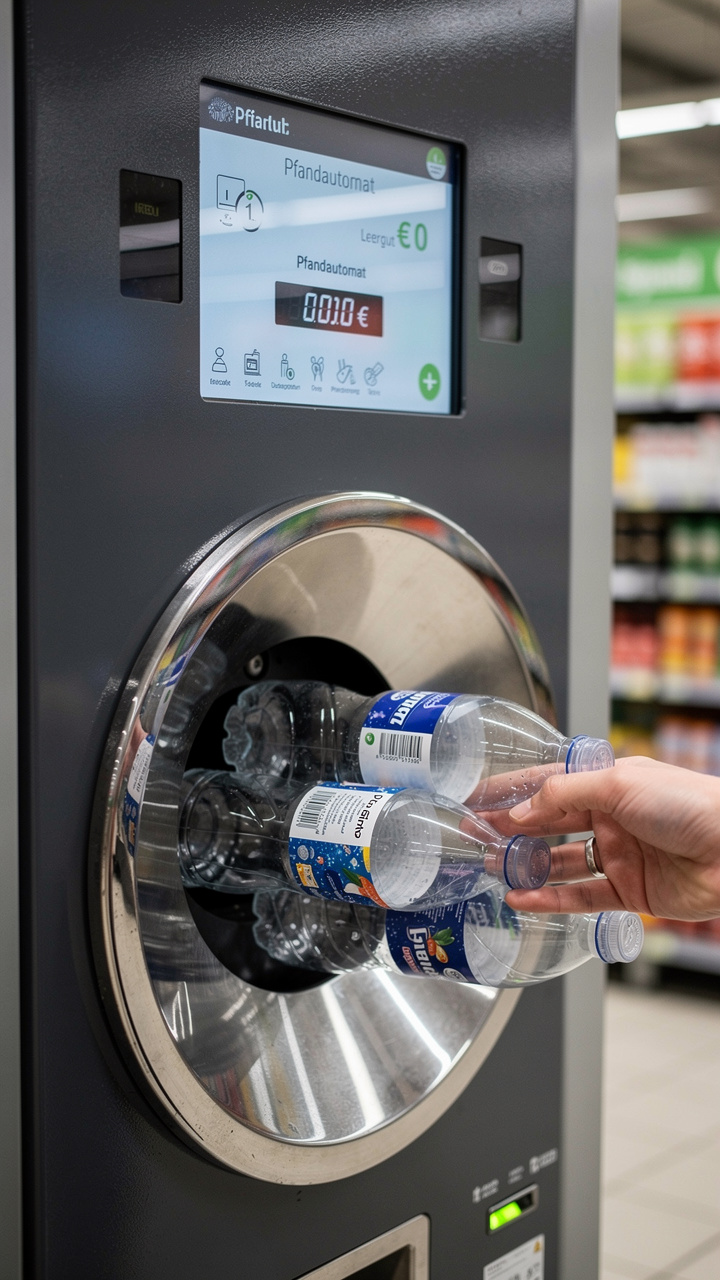
The “Pfand” (deposit) system is a highly efficient recycling initiative where you pay a small deposit (typically 8 to 25 cents) when buying bottled or canned drinks. Do not throw these containers away; instead, return them to reverse vending machines found in almost every supermarket.
The machines scan your bottles and print a voucher that you can redeem for cash or apply as a discount to your grocery total at checkout.
5. Jaywalking is Frowned Upon.
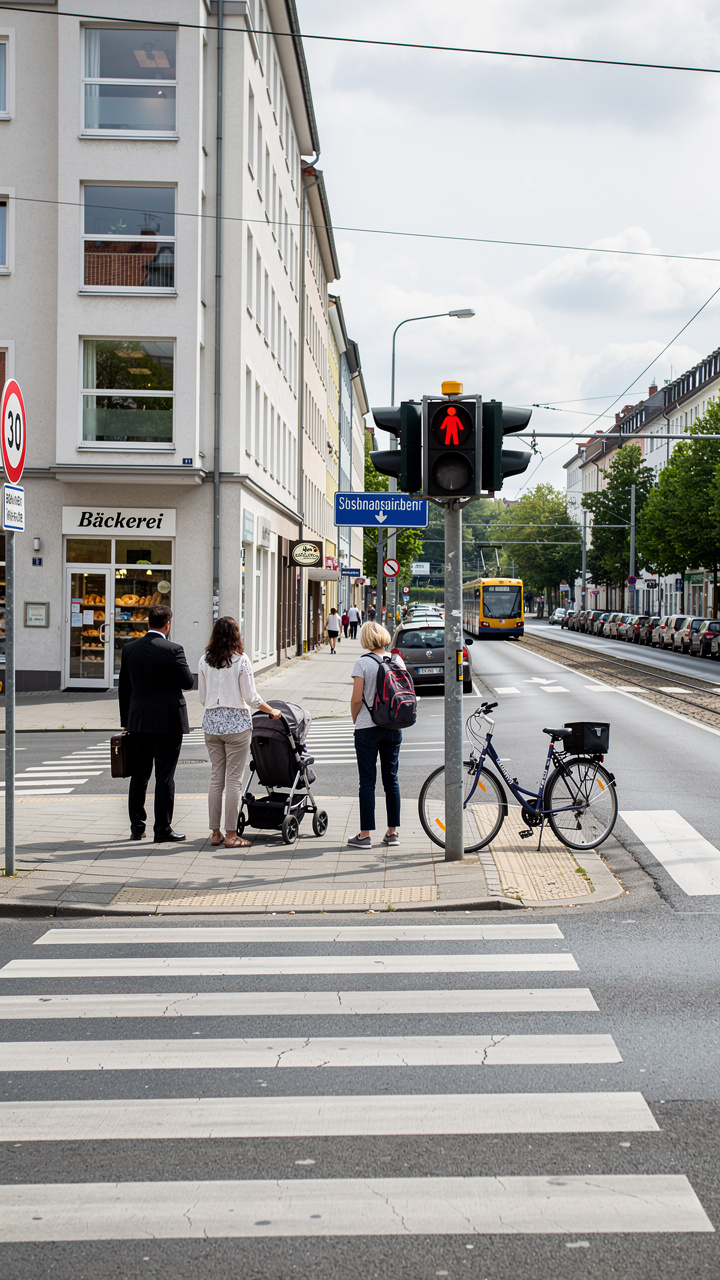
Germans take pedestrian traffic laws very seriously, and crossing the street on a red light—even when no cars are approaching—is considered socially unacceptable. Waiting for the “Ampelmännchen” (the green man signal) is a sign of respect for law, order, and public safety.
Ignoring these signals can result in stern looks or verbal corrections from locals, especially if children are present. This minor cultural rule illustrates the German dedication to structure; waiting just a few seconds for the light to turn green ensures you integrate seamlessly into the local flow of daily life.
6. The “Ruhezeit” Concept.
Germany enforces strict “Ruhezeit” (quiet hours) to maintain communal peace, typically spanning from 10 PM to 7 AM on weekdays and throughout the entire day on Sunday. During these times, residents are expected to avoid loud activities like vacuuming, drilling, or playing loud music.
Neighbors will not hesitate to report noise disturbances to the police or express their displeasure directly. It is about mutual respect and keeping the neighborhood environment stress-free. As a visitor, observing these quiet hours in your Airbnb or hotel shows respect for the local lifestyle.
7. Tap Water is Safe but Rare.
German tap water is held to some of the highest quality standards in the world, making it perfectly safe for consumption. However, in restaurants, the cultural preference remains heavily skewed toward bottled water, and asking for “tap water” can result in confusion or a refusal from staff.
If you prefer free water, specifically ask for “Leitungswasser” (tap water). Most Germans drink sparkling water, known as “Sprudel,” so you must clarify if you want “still” (stilles Wasser) or “fizzy” (mit Kohlensäure). Expect to pay for bottled water, as it is a standard menu item.
8. Learn Basic German Greetings.
Using a simple “Guten Tag” (Good day), “Danke” (Thank you), or “Bitte” (Please) goes a long way with service staff. While most urban Germans speak excellent English, initiating an interaction in German demonstrates respect for their culture and often improves the quality of service you receive.
In Bavaria, using “Grüß Gott” instead of “Guten Tag” acts as a social icebreaker. Do not worry about grammatical perfection; the effort to use local phrases is what truly counts in building rapport with locals during your travels.
9. Sunday Store Closures: A Survival Strategy.
Since the “Ruhezeit” and Sunday laws are strict, you need a strategy to avoid finding yourself hungry with an empty hotel fridge. Use Saturdays to stock up on essentials like bread, cheese, and fruit, as local supermarkets will be inaccessible until Monday morning.
If you forget, head to the nearest major train station like Berlin, Munich, or Frankfurt. Most “Rewe” or “Edeka” stores inside these transit hubs stay open on Sundays. Expect long lines and limited variety, but it beats having no food at all during your weekend stay.
10. Tipping Culture Reality.
Tipping in Germany is modest compared to the US; you generally round up the bill or add about 5 to 10 percent of the total cost. If your meal costs 18.50 Euro, leaving 20 Euro is perfectly acceptable and sufficient for standard service.
Simply inform the waiter of the final amount you want to pay—including the tip—while handing over your cash. Do not just leave money on the table and walk away, as it can appear suspicious or messy. Use the phrase “Stimmt so” if you want to leave the change as a tip.
11. Public Transport Punctuality.
German trains are historically famous for punctuality, though current infrastructure projects mean delays are increasingly common. Always use the “DB Navigator” app for real-time updates and platform changes, as relying solely on station departure boards can lead to missing your connection.
If your train is delayed by more than 60 minutes, you are entitled to partial compensation under EU passenger rights regulations. Keep your physical or digital ticket as evidence, as the claims process requires documented proof of your journey and the specific delay experienced.
12. Bread is a Religion.
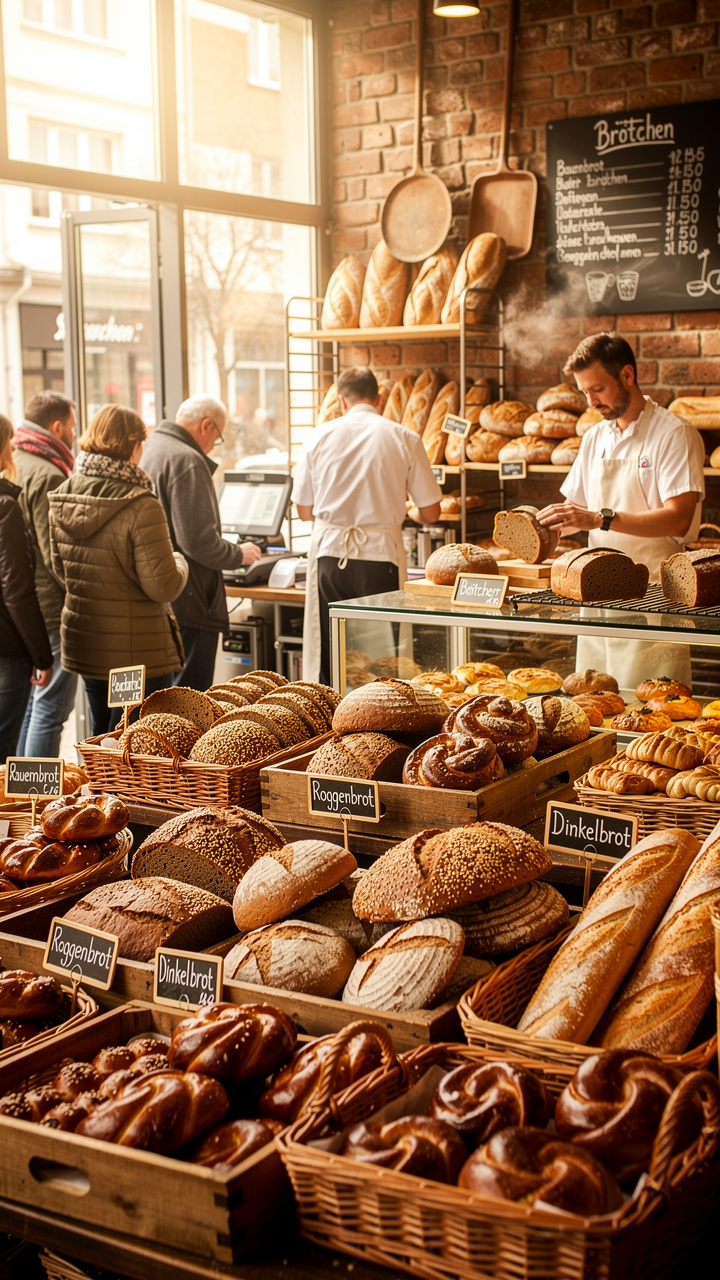
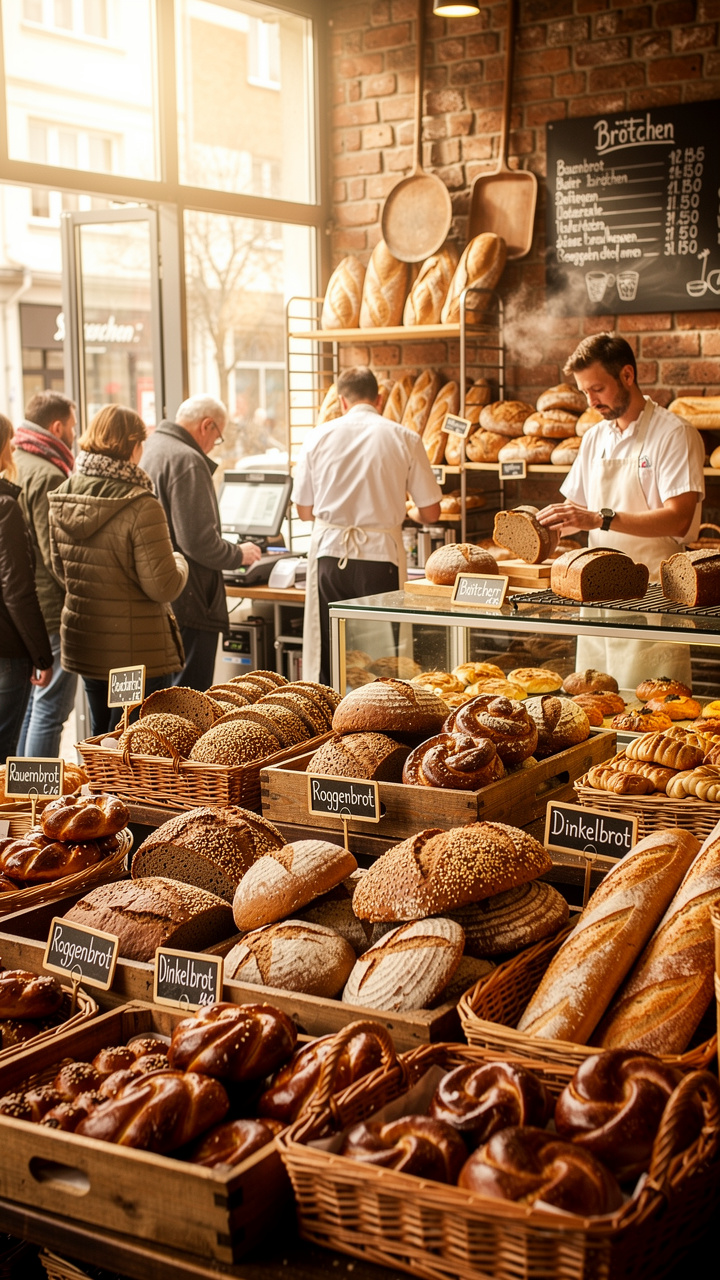
German bread culture is protected by UNESCO as an intangible cultural heritage, featuring over 3,000 varieties of breads and rolls. Visit a local “Bäckerei” (bakery) early in the morning for the freshest selection, as pre-packaged supermarket bread rarely compares to artisan quality.
When ordering, ask for a “Brötchen” (bread roll) or “Dinkelbrot” (spelt bread) to try traditional favorites. The diversity of textures, from crusty rye to soft wheat rolls, makes visiting local bakeries a highlight of the German culinary experience for any food-loving traveler.
13. Understanding Regional Differences.
Germany is a federal republic, and cultural habits change significantly from the northern ports to the southern alpine regions. People in Hamburg are often perceived as more reserved, while Bavarians in Munich are known for their distinct dialects, traditional “Tracht” clothing, and specific local customs.
Do not assume that the “typical” German experience applies equally to every city. Take the time to observe regional customs, such as regional dietary differences and local holiday traditions, rather than expecting a monolithic national identity across your entire trip through the country.
14. Sunday Pharmacy Dilemma.
If you need medication on a Sunday, you can rely on the “Notdienst” (emergency service) system, which rotates duty among local pharmacies. Search for “Apotheken Notdienst” online to find which pharmacy in your area is currently designated for after-hours service.
These pharmacies will usually have a small window or buzzer for service. Be prepared to pay a small service surcharge of approximately 2.50 Euros for after-hours purchases. This system ensures that urgent medical needs are addressed even when standard retail businesses are legally closed.
15. The Art of the “Biergarten”.
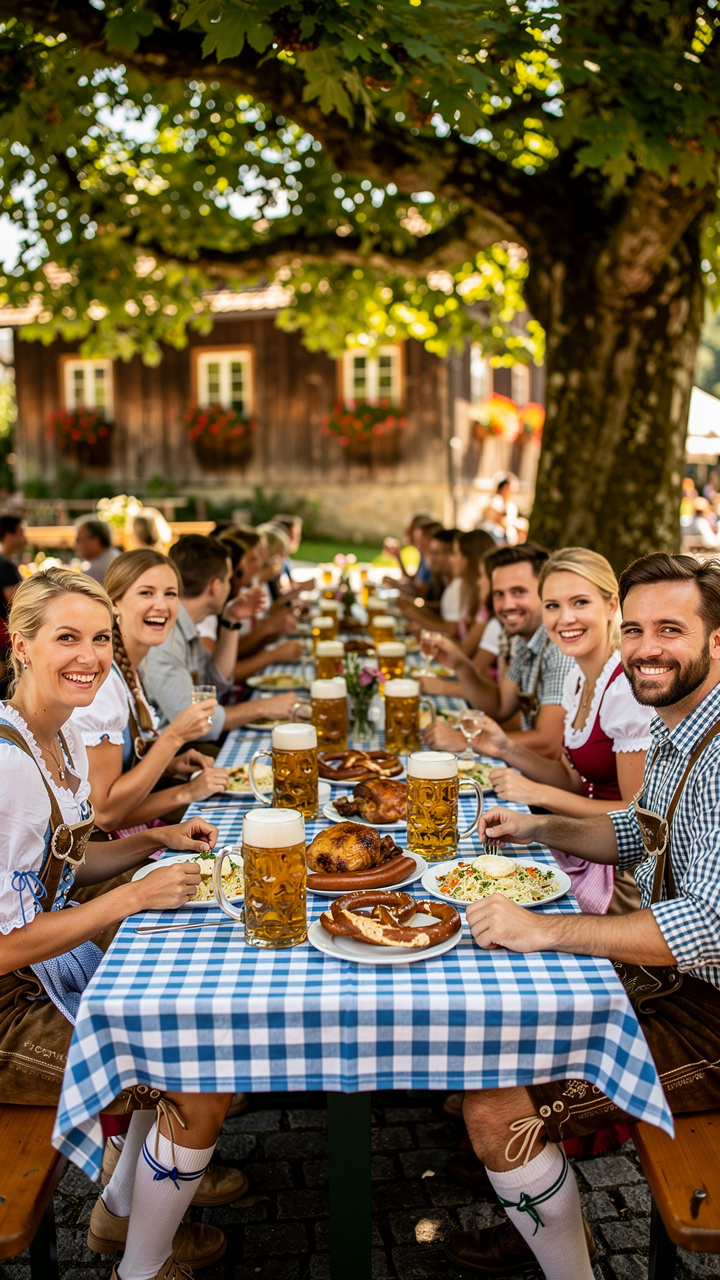
A traditional beer garden (Biergarten) is a social institution with specific, long-standing rules. You are often allowed to bring your own food to a traditional beer garden, provided you purchase your drinks exclusively from the establishment’s beer stand.
Always check if a table is marked as “reserviert” (reserved) before sitting. It is common to share large wooden tables with strangers, so be open to casual conversation. This is the perfect environment to meet locals and experience the communal nature of German leisure culture.
16. Shopping Bags Are Your Best Friend.
Very few shops offer free plastic bags, and some do not provide bags for purchase at all. Always carry a foldable tote bag in your backpack or purse while exploring cities to avoid fumbling with loose items or paying extra for store-brand bags.
Most Germans carry a reusable bag for all errands, from grocery shopping to picking up small souvenirs. Adopting this habit makes you look more experienced and avoids the unnecessary waste associated with single-use plastics during your visit.
17. The Value of “Feierabend”.
“Feierabend” refers to the period after work where Germans prioritize disconnecting completely from professional obligations. You will notice that business emails and calls are rarely answered after 6 PM, as this time is strictly protected for family, hobbies, and relaxation.
Do not expect colleagues or business contacts to be available once they have clocked out. Respecting this boundary is crucial for maintaining good relationships with your local hosts and understanding the German emphasis on maintaining a healthy work-life balance.
Common Mistakes Visitors Make (And How to Avoid Them).
The most common mistake is over-scheduling your itinerary by trying to visit too many cities in one trip. Travel time on trains and checking in/out of hotels adds up; I recommend sticking to one specific region, such as Bavaria or the Rhine Valley, for at least a week.
Ignore the urge to cross the country multiple times. Instead, utilize regional “Länder-Tickets” for trains, which provide unlimited travel within a specific state for a group of up to five people. These tickets are incredibly cheap and convenient for small groups traveling together. Always carry your passport, as you may need it for hotel check-ins or bank services.
FAQ
Q: Can I drink the tap water in Germany?
Yes, tap water in Germany is safe and of excellent quality. You can drink it straight from the tap in any city or town without any health concerns.
Q: Is it common to tip in Germany?
Yes, but keep it modest by rounding up the bill or adding 5-10% to the total. Simply tell the server the total amount you wish to pay when handing over cash.
Q: Are shops open on Sundays in Germany?
Most retail shops, supermarkets, and pharmacies are closed on Sundays due to national laws. Plan your shopping for Saturday or look for markets located inside major train stations if you have an emergency.
Q: Is jaywalking illegal in Germany?
Yes, crossing the street on a red pedestrian light is technically a traffic violation. While you might not always get a fine, it is socially frowned upon and seen as disrespectful to the law.
Q: Do I need cash for everything?
While big chains accept cards, many local bakeries, cafes, and kiosks are cash-only. Always carry enough Euros in small denominations to ensure you can pay for everyday items comfortably.
Leave a Reply