
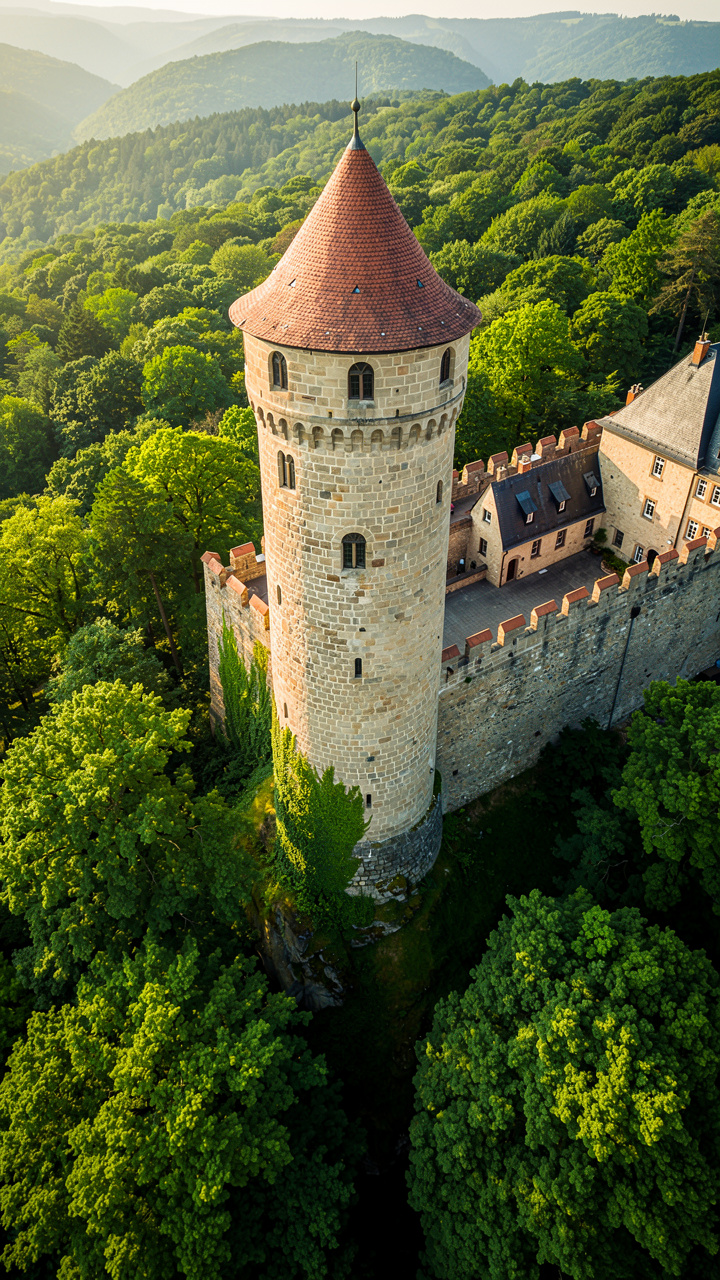
Germany’s Fairytale Road is a 600-kilometer route stretching from Hanau to Bremen, linking historic sites linked to the Brothers Grimm. By visiting key towns like Steinau, Marburg, and Hamelin, you walk through the actual medieval landscapes and forests that inspired legendary stories like Rapunzel, Sleeping Beauty, and Snow White. This route offers a perfect blend of literary history, authentic architecture, and timeless German charm.
Planning Your Fairytale Road Journey
Stretching over 600 kilometers, the Fairytale Road is best enjoyed as a flexible road trip rather than a rushed tour. Many travelers make the mistake of attempting to cover too many towns in one sitting. Instead, allocate at least seven days to fully absorb the unique atmosphere of each location. A car is essential for this journey because public train schedules often struggle to connect these smaller, remote medieval villages effectively. With a vehicle, you gain the freedom to explore hidden forests and scenic detours between major hubs.
Budgeting is another critical aspect of your planning. Keep in mind that gas prices in Germany often exceed 1.80 euros per liter. While secondary roads, known as the Landstrasse, are far more scenic and offer better views, they can be slower than main highways. Furthermore, ensure you always carry a supply of 50-euro bills and loose coins. While credit cards are increasingly common, many small cafes, bakeries, and family-owned Gasthäuser in rural areas still prefer cash payments. Preparing these logistics in advance ensures that you can focus entirely on the magical, historical sites rather than unexpected travel hiccups.
Hanau: The Grimm Starting Point
Hanau serves as the official southern starting point of the Fairytale Road. As the birthplace of Jacob and Wilhelm Grimm, the city anchors the narrative of the entire route. The National Brothers Grimm Memorial is the primary draw here, offering visitors a deep dive into the brothers’ formative years. Inside the local museum, you will find original manuscripts and historical archives that document the roots of their worldwide fame.
While many tourists view Hanau as a quick stop, the town rewards those who linger. The surrounding parks are expansive, manicured, and ideal for a quiet afternoon walk away from the bustle of larger cities. If you have time, explore the nearby Schloss Philippsruhe to gain a better understanding of the local royal influence during the 18th century. Most visitors spend only a few hours here, but taking an extra half-day allows you to appreciate the brothers’ early environment. This initial stop provides the perfect context for the folklore you will encounter further north. By understanding where the brothers began, the evolution of their stories throughout the journey becomes much more meaningful and grounded in history.
Childhood Memories in Steinau
Steinau an der Strasse is where the brothers spent their most impressionable childhood years. The town is defined by its preserved, half-timbered houses and the imposing Schloss Steinau. Walking through the center feels like stepping directly into the 18th century. The architecture here acts as a physical backdrop for the stories that would eventually become global classics. It is not just a historic site; it is a living, breathing testament to the world the brothers knew as young boys.
Do not miss the opportunity to visit the local puppet theater. This institution carries on the deep-rooted tradition of storytelling that defined the brothers’ early development. The atmosphere in Steinau is significantly quieter than in major tourist hubs, making it a perfect spot for an overnight stay. When exploring, look for small, independent shops tucked away in the side streets to find high-quality local crafts. By spending time here, you grasp how the simplicity and beauty of rural Germany influenced the specific settings found in the brothers’ fairy tales. Engaging with the town’s history helps you connect the intellectual work of the adults with the imaginative wonder of their childhood experiences.
University Life in Marburg
Marburg is essential for understanding the brothers’ academic roots. The pair studied at the University of Marburg, and the city’s complex, steep terrain directly influenced many descriptions in their later tales. The Oberstadt district, with its narrow, winding alleys and tight, medieval corridors, creates an immersive experience that feels as if it were plucked from a storybook. The city is designed vertically, which adds to its dramatic, almost mystical character.
For the best views, spend an afternoon climbing toward the Landgrafenschloss. This historic castle offers a commanding, panoramic perspective of the entire Lahn Valley. The ascent is physically demanding but well worth the effort for the perspective it provides on the surrounding geography. Throughout your walk, you will notice the recurring theme of verticality in the architecture, which reflects the settings of many German folktales. When you reach the top, it is easy to see how this dramatic landscape provided the visual vocabulary for the brothers’ more somber and majestic stories. Be sure to explore the university buildings themselves, as they remain central to the city’s identity and reveal much about the intellectual circle that nurtured the Grimm brothers’ developing literary interests.
Bad Wildungen and the Seven Dwarfs
Bad Wildungen is often overlooked, but it is a critical stop for those interested in the real-world origins of Snow White. Specifically, the Bergfreiheit district is widely cited as the inspiration for the home of the seven dwarfs. The area has a rich history centered on mining, and for centuries, the miners here were known for their notably short stature, a reality that deeply fueled the Grimm narrative. The Copper Trail museum is a must-visit site to learn how the harsh reality of underground labor transitioned into the folklore known today.
Unlike other, more polished tourist towns, the charm here is found in the intersection of mining history and myth. Because it is less crowded, you have the space to engage with local museum guides who are often experts in the town’s specific folklore connection. If you enjoy hiking, the surrounding area provides access to trails that mirror the deep, mysterious woods described in the tales. This connection between the industrial history of the miners and the magical narrative of the dwarfs offers a fascinating trade-off for visitors. It highlights how the brothers synthesized mundane, everyday life into something extraordinary through their storytelling.
Trendelburg: The Tower of Rapunzel
Trendelburg is home to a legendary castle that stands high above the Diemel valley. The site is famous for its tall, solitary tower, which is famously associated with Rapunzel. The architecture is imposing and set against a backdrop of deep, dense forests that historically terrified travelers. Being here feels like entering a classic fable, as the scale of the tower against the landscape creates an undeniable sense of wonder.
You can climb the tower for a view that encompasses the surrounding valley, providing a vantage point that feels almost timeless. However, be prepared for a strenuous climb; the stairs are constructed from uneven, ancient stone and can be challenging for those with mobility issues. The reward is a breathtaking view that is a true photographer’s dream. After your climb, spend time in the castle courtyard to enjoy a quiet lunch. Because the town is small and focused on this single, iconic structure, it is easy to explore in a few hours. This makes Trendelburg a perfect stop for those who value atmosphere over volume, offering a unique opportunity to stand where legend and landscape intersect.
Hamelin and the Pied Piper
Hamelin offers a slightly darker, more mysterious end to your journey. The town is world-renowned for the legend of the Pied Piper who lured children away with his flute. Beyond the folklore, the town features exceptional examples of Weser Renaissance architecture. This style is characterized by ornate gables, intricate stone carvings, and vibrant, colorful facades that contrast sharply with the medieval austerity found in other parts of the route.
During the summer months, the town hosts weekly open-air plays that reenact the legend of the Pied Piper. Seeing this performance is an ideal way to conclude your trip, as it brings the local history to life in a way that is both haunting and beautiful. To make the most of your visit, avoid the primary tourist traps situated immediately around the main square. Instead, walk two or three blocks further into the residential districts to find authentic cafes where the locals actually eat. The food here is traditional and typically heartier, reflecting the agricultural traditions of the region. This is the perfect place to reflect on your journey through the Fairytale Road while enjoying a quiet moment in a town that has embraced its dark legacy.
Maximizing Your Travel Experience
To get the most out of your Fairytale Road trip, you must prioritize quality over quantity. Most travelers fail because they try to hit too many stops in a single day. Limit yourself to no more than two major locations per day. This allows you to walk the streets properly, talk to residents, and soak in the atmosphere without the stress of a rigid itinerary. If you rush, the magic of these towns vanishes under the pressure of keeping to a schedule.
Another common mistake is choosing hotels in major cities rather than local Gasthäuser. Family-owned inns provide a much more authentic German experience, and they almost always include a substantial, hearty breakfast that will sustain you throughout a day of sightseeing. Furthermore, consider the timing of your visit. Late May and early September are ideal for mild weather and manageable crowds. Avoid August, as it aligns with German school holidays, leading to significantly higher prices and more difficulty securing lodging. If you opt for a winter trip, prioritize towns with active Christmas markets, but prepare yourself for sub-zero temperatures by bringing appropriate, warm gear. Sturdy, waterproof shoes are mandatory year-round, as the ancient, uneven cobblestone paths become quite slippery when it rains.
Common Questions
Is it safe to drive the Fairytale Road alone?
Yes, Germany is exceptionally safe for solo travelers, and the roads are well-maintained. Just ensure your GPS is updated and you have offline maps downloaded to avoid navigation issues in deep, forested valleys where cell service can be intermittent.
Do I need to speak German to get by?
You do not need to be fluent, as English is widely spoken in tourist areas like Hamelin and Marburg. However, learning basic phrases like “Guten Tag” or “Danke” is appreciated by locals in smaller villages.
Can I do this trip with children?
This is one of the best family trips in Europe. Children enjoy the interactive displays and the visual nature of the architecture, so pace your itinerary to include plenty of time for outdoor play in the parks.
What is the best time of year to visit?
Late May or early September are ideal because the weather is mild and crowds are thin. Avoid August due to peak school holiday traffic and winter months unless you specifically want to experience the Christmas markets.
Are credit cards widely accepted in these towns?
While many shops take cards, small cafes and rural bakeries often prefer cash. Always carry a supply of 50-euro bills and coins to ensure you can pay for small purchases without issue.
Leave a Reply