Your Ultimate Italy Aesthetic Travel Guide: Dreamy Getaways
The ultimate Italy aesthetic travel itinerary centers on visiting the Amalfi Coast, Tuscany, Rome, Venice, and Lake Como during the shoulder seasons of May, June, September, and October to capture perfect lighting while avoiding peak summer crowds. These destinations offer the most iconic visual backdrops, from pastel cliffside villages and golden rolling hills to historic piazzas and serene canal-side palazzos.
The Pastel Dreams of the Amalfi Coast
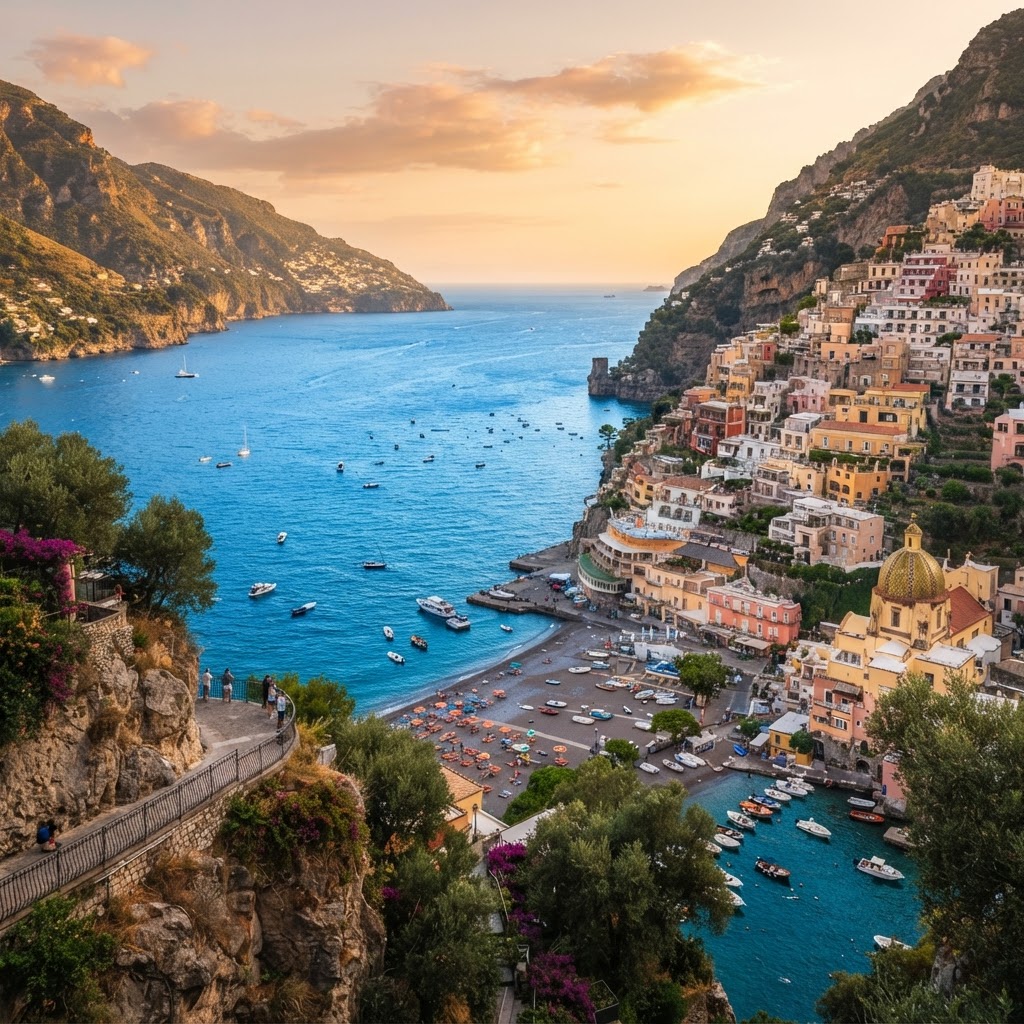
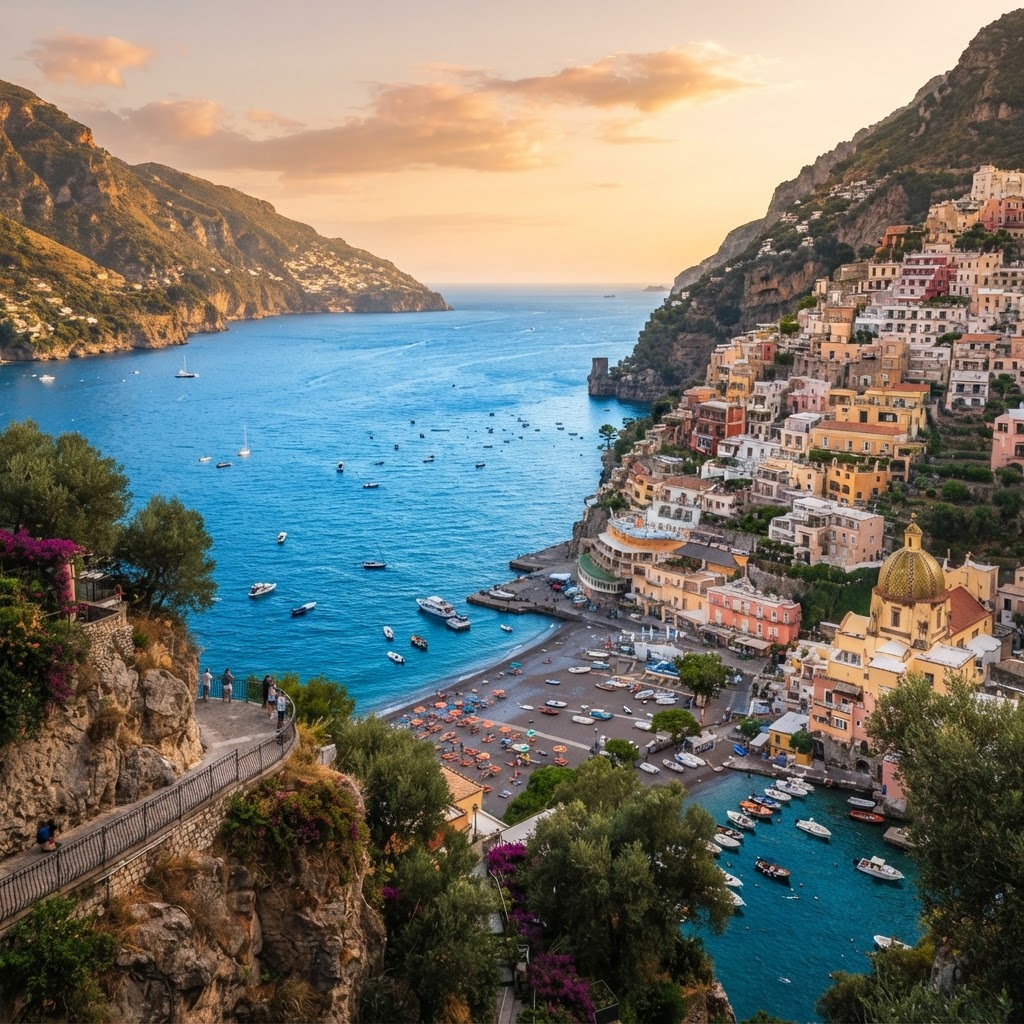
The Amalfi Coast remains the epicenter of the Italian travel aesthetic, characterized by vertical villages like Positano where colorful architecture clings to dramatic, jagged cliffs draped in vibrant bougainvillea. To maximize your visual storytelling, prioritize visiting during the shoulder seasons; the light is significantly softer, and the throngs of tourists diminish, allowing for undisturbed shots of the Spiaggia Grande during the iconic morning golden hour.
| Location | Aesthetic Vibe | Best Time to Visit | Key Photo Spot |
|---|---|---|---|
| Positano | Luxury/Colorful | May/September | Spiaggia Grande |
| Ravello | Refined/Quiet | June/October | Terrace of Infinity |
Hidden Gems in Ravello
While Positano gains global fame for its steep streets, Ravello provides a refined, quiet elegance that appeals to those seeking a slower, more sophisticated travel pace. Visit the Villa Cimbrone to walk through the famous Terrace of Infinity, situated roughly 365 meters above the sea. The perspective here, where the sky meets the Tyrrhenian sea in a seamless blue horizon, provides one of the most photogenic environments in all of Italy. Because entry fees generally start at around €10, it is an accessible yet high-impact location for photography enthusiasts looking for timeless sophistication without the vertical hike of Positano.
Tuscan Sun and Golden Hour Fields
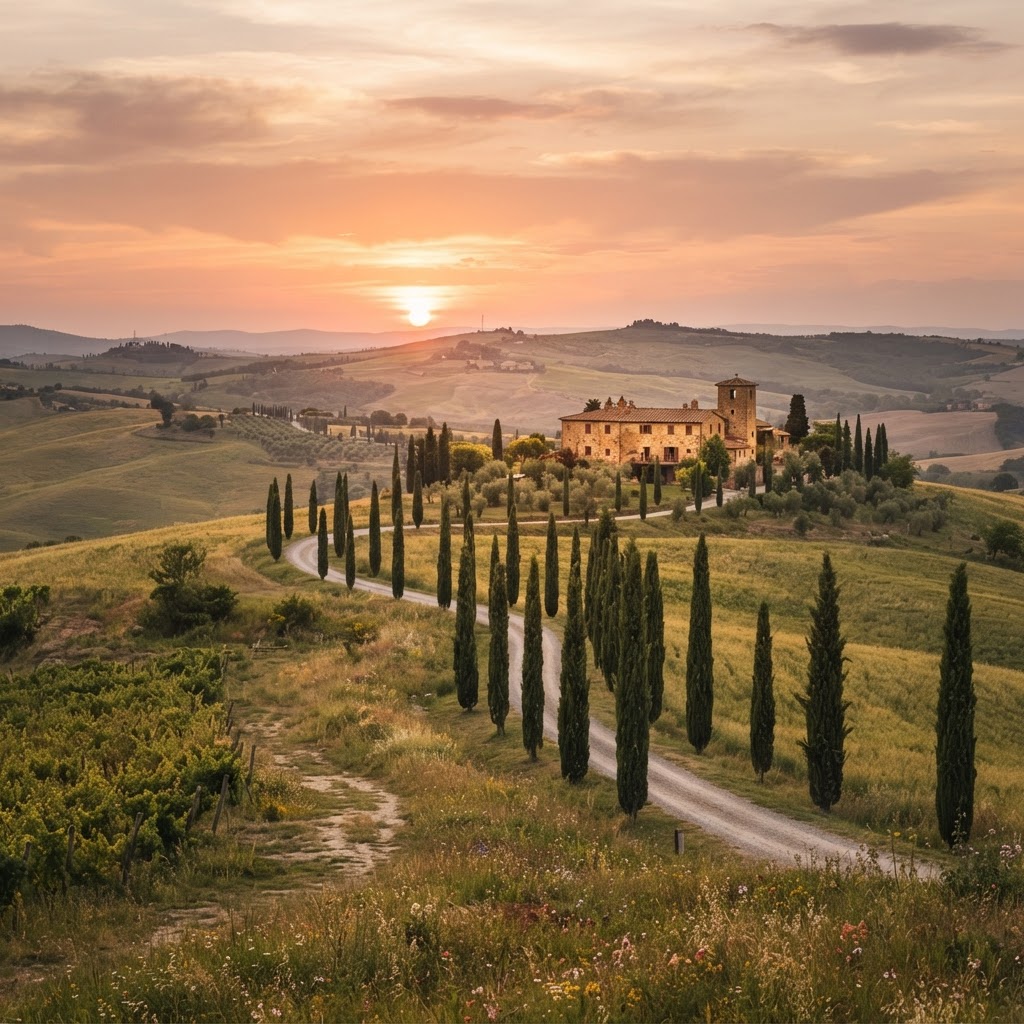
Tuscany serves as the quintessential Italian dream, defined by its undulating hills, perfectly aligned cypress trees, and historic stone farmhouses that resemble classic Renaissance oil paintings. Driving through the Val d’Orcia region, a UNESCO World Heritage site, provides the best access to these landscapes, particularly during late spring when the wheat is bright green or early autumn when the earth turns to rich, golden tones. This region perfectly embodies the slow travel movement, encouraging visitors to spend time in local vineyards tasting Brunello di Montalcino while capturing the shifting light against the rustic, weathered stone walls of 17th-century villas.
The Timeless Elegance of Rome
Rome offers a dense, layered narrative of aesthetics, successfully blending grand ancient ruins with the chic, modern street style of its bustling neighborhoods. Walking through Trastevere at dusk is essential for any visual storyteller, as the combination of ivy-covered ochre walls, narrow cobblestone alleys, and golden street lamps creates a cinematic atmosphere that feels frozen in time. The juxtaposition of the massive, imposing Colosseum against the delicate, small-scale gelato shops and street-side cafes provides a unique photographic contrast. To capture the best “street style” aesthetic, visit the neighborhood of Monti, where vintage boutiques meet artisanal workshops, offering a more intimate look at the Roman lifestyle beyond the primary tourist monuments.
Venetian Canals and Pastel Palazzos
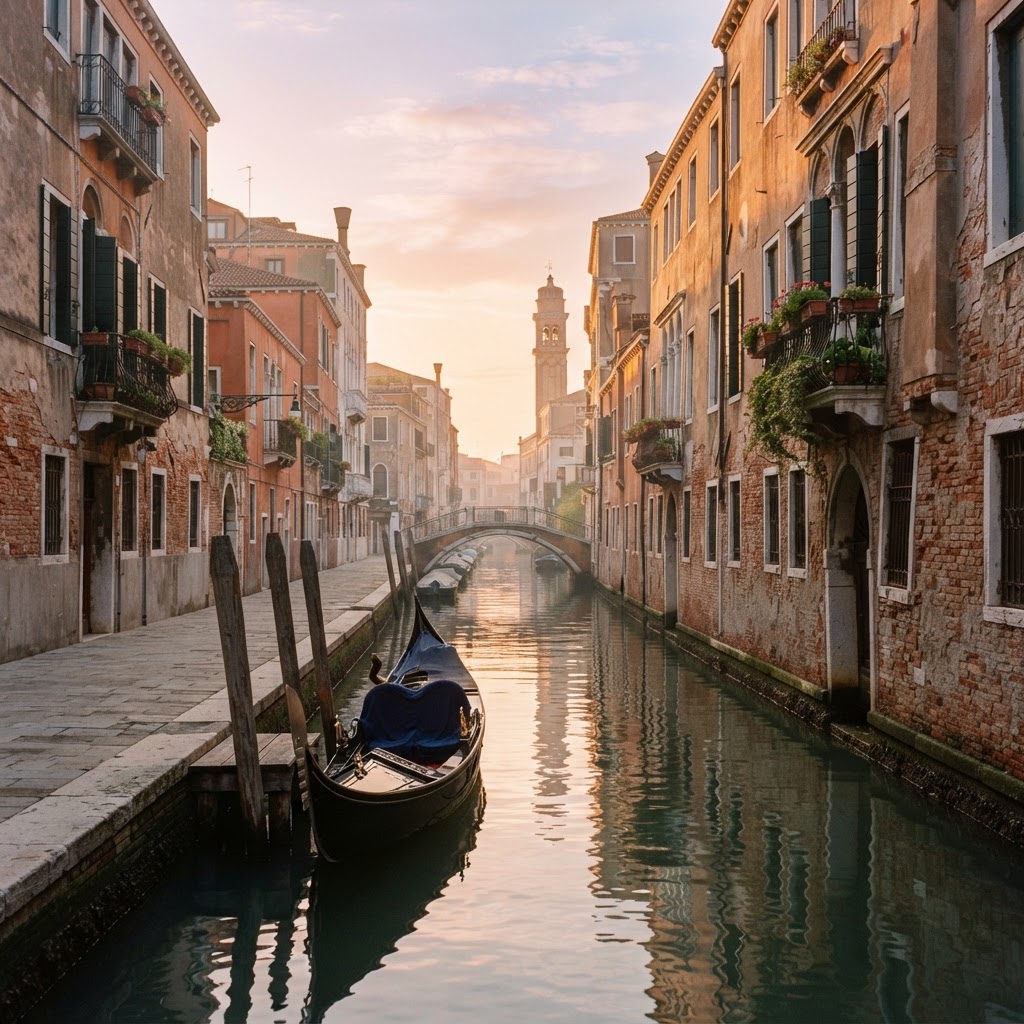
Venice is a intricate labyrinth of water and light, where the reflection of Gothic and Renaissance palazzos in the canals creates a mesmerizing, mirror-like quality. To capture the highest quality images, you must head out at sunrise, ideally between 5:30 AM and 7:00 AM, before the vaporetto traffic begins to churn the water. The way the early morning mist clings to the canals, combined with the soft, desaturated pastels of the buildings, provides the exact visual balance that every ultimate Italy aesthetic travel guide aims to showcase. Avoid the heavily congested areas near St. Mark’s Square and instead get lost in the residential neighborhoods of Cannaregio or Dorsoduro; these areas offer a more authentic, quiet view of daily life, such as locals washing laundry or boats unloading fresh market goods.
Lake Como: The Pinnacle of Luxury
Lake Como stands as the pinnacle of luxury travel in Italy, defined by grand neoclassical villas, meticulously manicured gardens, and the dramatic, towering backdrop of the Alps. The lake’s unique micro-climate allows for lush, subtropical foliage that contrasts sharply with the rugged, snow-dusted mountains, creating a high-contrast aesthetic that is arguably one of the most photogenic places in Italy. For the best itinerary, consider these four primary locations:
- Villa del Balbianello: Known for its incredible terraced gardens and historic loggia.
- Varenna: Often considered the most charming lakeside village with its colorful, narrow promenades.
- Bellagio: Home to elegant shopping streets, high-end silk boutiques, and sophisticated cafes.
- Brunate: Accessible via a funicular ride, offering a panoramic bird’s-eye view of the entire “Y” shape of the lake.
Curating Your Visual Itinerary
To ensure your trip is as beautiful as it is memorable, you must consider your color palette and clothing choices in relation to Italy’s distinct regional hues. Italy offers a wide spectrum, from the deep, warm ochres of Florence’s Renaissance stone to the vibrant, saturated turquoise of the Mediterranean coastline. Packing outfits that utilize complementary colors—such as soft whites against stone, or navy and earth tones against the sea—will elevate your photography significantly. Remember, the ultimate Italy aesthetic travel guide is not just about the destination, but how you perceive and interact with the local culture. Engage with local shop owners, learn the historical context of the piazzas you photograph, and allow the natural rhythm of Italy to influence your content.
FAQ
What is the best time of year to visit Italy for aesthetic photography?
The best time for photography is during the shoulder seasons of May, June, September, and October. During these months, the lighting is softer, the temperatures are moderate, and the crowds are thinner, which allows for better “empty” shots of popular monuments and streets.
Which Italian region is considered the most photogenic for influencers?
The Amalfi Coast and Tuscany are widely considered the most photogenic regions for content creators. Positano provides iconic pastel-colored architecture, while the Val d’Orcia in Tuscany offers breathtaking landscapes with rolling hills, cypress trees, and golden fields that look like classic paintings.
How can I avoid crowds at popular Italian tourist sites?
To avoid crowds, you should aim to arrive at major sites as early as sunrise, typically before 8:00 AM. Additionally, visiting during the off-peak or shoulder seasons and exploring lesser-known neighborhoods like Cannaregio in Venice or smaller villages in Tuscany will yield much quieter, more intimate photography opportunities.
What should I pack for an Italian aesthetic travel trip?
Pack a color palette that complements the destination, such as neutrals, whites, and earth tones to contrast with vibrant Italian architecture. Include comfortable, high-quality walking shoes for cobblestones, a lightweight scarf for visiting cathedrals, and classic, timeless silhouettes that reflect the effortless “la dolce vita” style.
Mastering the Logistics of Your Italian Aesthetic Journey
Planning an itinerary across Italy requires more than just picking pretty spots. You must manage the physical reality of cobblestones, stairs, and transportation gaps. The aesthetic dream relies on your ability to move efficiently without exhausting yourself.
The Art of Luggage Management
Never bring a large suitcase to the Amalfi Coast. Positano is built on vertical cliffs with hundreds of steep stairs between the road and the villas. Dragging a massive roller bag over broken stone is a nightmare that ruins your experience immediately. Use a high-quality carry-on backpack or a durable weekender bag instead. If you must have luggage, arrange for a porter service at your hotel in advance. It costs roughly 20 to 50 euros per bag but saves your day.
Navigating Regional Transit
Trains connect major cities like Rome and Florence flawlessly. Do not attempt to drive in these urban centers where traffic restrictions are strictly enforced by cameras. Rent a small manual transmission car only when you reach rural Tuscany. Avoid large SUVs, as country roads are narrow and parking in village piazzas is tight. Always carry physical maps or download offline versions because cellular signals drop in deep valleys.
Common Pitfalls and How to Sidestep Them
Many travelers fall into the trap of trying to see too much in one trip. Italy is dense with beauty, but constant transit burns through your golden hours. Skip the urge to visit four cities in one week. Spend at least three nights in each base location to actually feel the rhythm of the place. You cannot capture the early morning light if you are busy checking out of a hotel every single day.
Another common mistake is dining strictly at tourist traps near major landmarks. Look for restaurants where menus are printed only in Italian or handwritten on boards. Avoid places with photos of food on the windows or hosts standing outside inviting you in. If the view is the best part of the table, the food is almost always overpriced and underwhelming. Walk three blocks away from the main piazza to find the local trattorias.
The Aesthetic Photography Checklist
- Carry a portable power bank. Using GPS and camera apps drains your phone battery by mid-afternoon.
- Use a wide-angle lens attachment for narrow Roman streets. It helps capture the scale of tall historic facades.
- Wear comfortable shoes that look stylish. You will walk ten kilometers daily on uneven surfaces. White sneakers work well but keep them clean.
- Bring a small tripod for long-exposure shots at dusk. It creates that dreamy, silky water effect at the coast.
- Shoot in manual mode during the shoulder season. The shifting cloud cover requires constant adjustments for balance.
Frequently Asked Questions
Should I book train tickets months in advance?
Yes, book your high-speed Frecciarossa tickets at least two months early. Prices jump significantly as the travel date approaches. Using the official Trenitalia app is the most reliable way to monitor schedules and buy mobile tickets. This ensures you get a seat and avoid long queues at physical station kiosks.
What is the daily budget for a comfortable trip?
Budget roughly 250 to 400 euros per day per person for a mid-range experience. This covers boutique accommodations, two nice meals, local transport, and entrance fees. The Amalfi Coast is significantly pricier than rural Tuscany, so allocate extra funds for your seaside stays. You can save money by eating breakfast at a local bar like a resident, standing at the counter for coffee and a pastry.
Is it worth visiting Italy in mid-August?
Avoid August if you prioritize comfort and photography. The heat is oppressive, and many local businesses in cities close for the summer holidays. The crowds are at their absolute peak, making it nearly impossible to find a quiet street for a photo. If your schedule forces an August trip, stick to the coastal breezes of Lake Como or higher elevations in northern Italy.
Leave a Reply