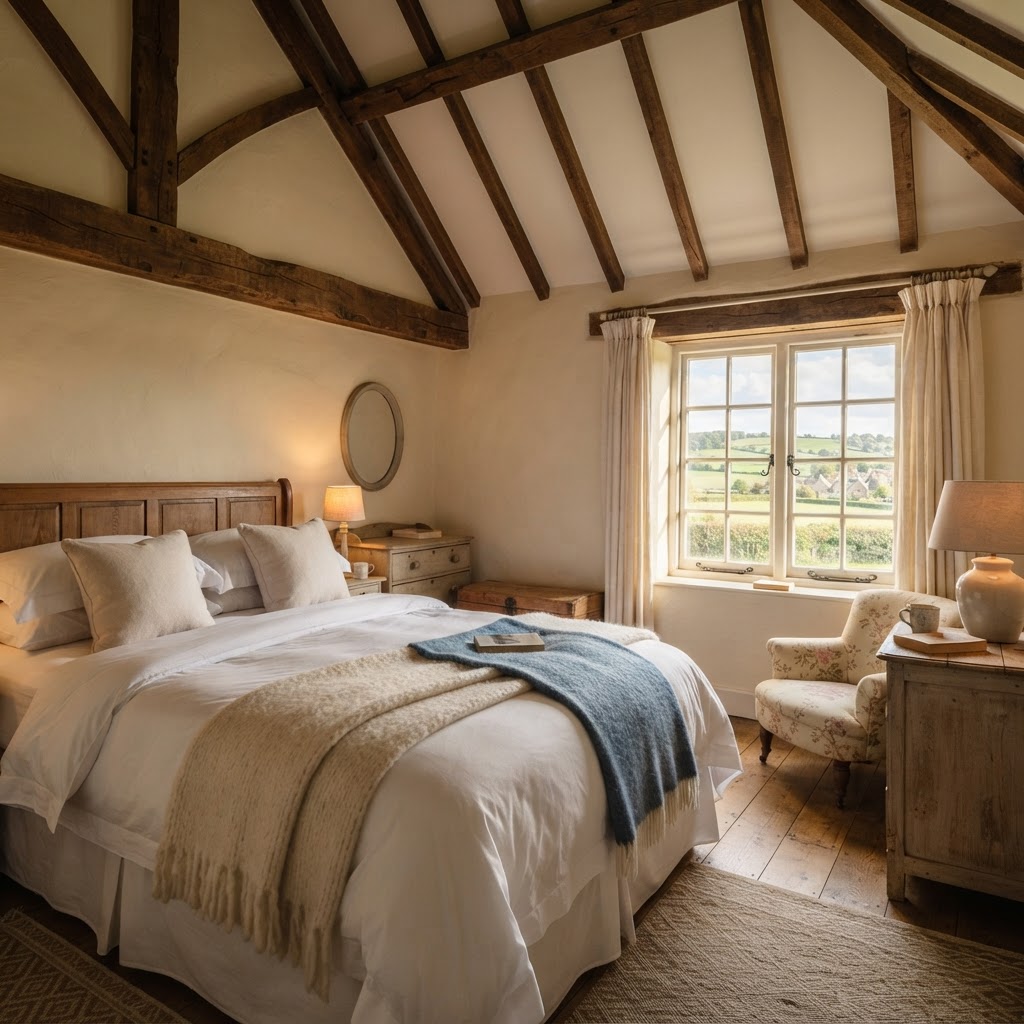
Where to Stay in the English Countryside Under £150
You can stay in the English countryside for under £150 per night by booking independent gastropubs, high-quality B&Bs in Northern England, or utilizing mid-week and shoulder-season discounts. Prioritizing direct bookings and choosing villages slightly removed from tourist hotspots consistently provides the best value, comfort, and local authenticity for budget-conscious travelers.
Understanding the Budget Countryside Landscape
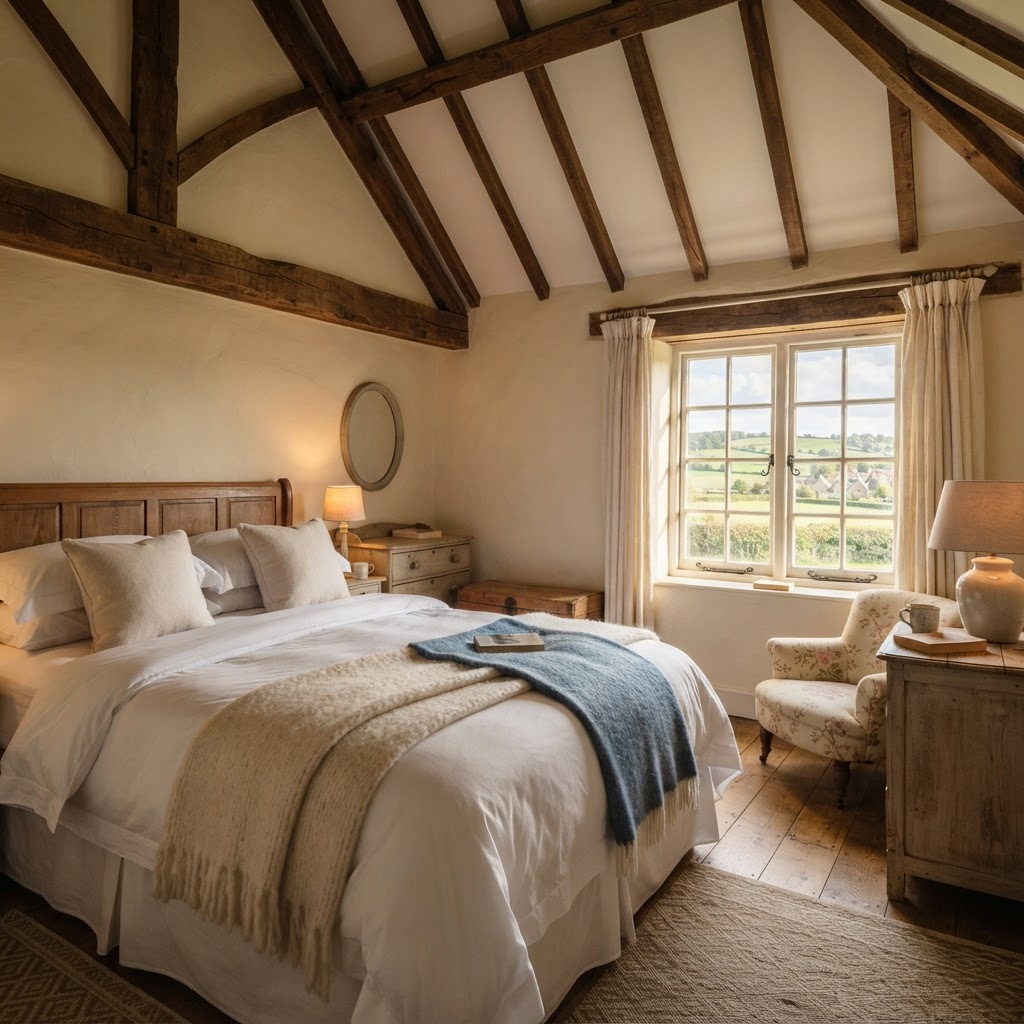
Finding affordable luxury in rural Britain requires a strategic approach to booking windows and regional selection. While peak season in the Cotswolds or the Lake District can see prices soar beyond £250, mid-week stays in the shoulder seasons—specifically April, May, September, and October—typically drop prices by 30-40%. You do not have to compromise on quality by settling for basic chain motels. Instead, the secret lies in identifying independent inns and converted farmsteads that offer character-filled rooms for £90–£140.
The Rise of the ‘Pub with Rooms’
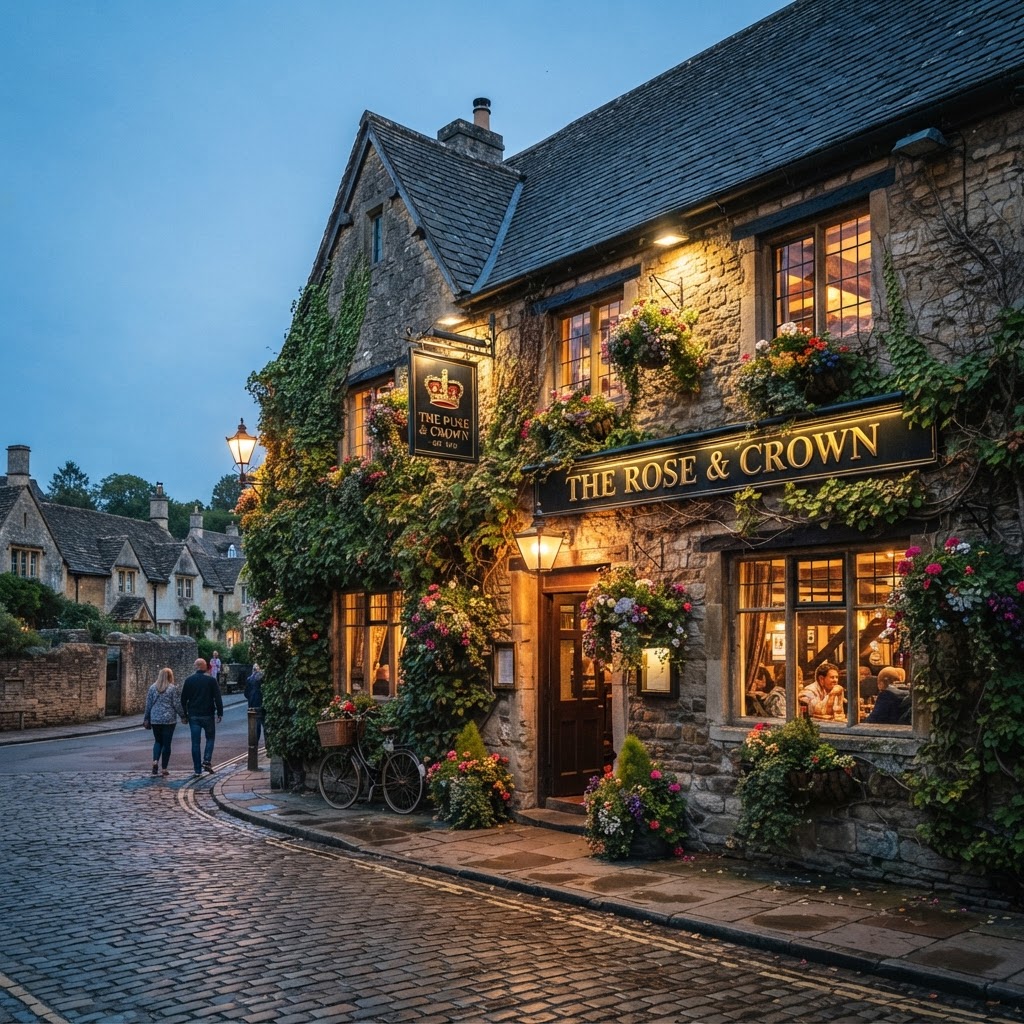
One of the best ways to enjoy an authentic rural experience is by booking a room at a high-quality gastropub. These establishments often provide the best value for money because the revenue is split between food, drink, and hospitality. You get to enjoy world-class meals downstairs and retire to a boutique-style room upstairs. Many of these pubs pride themselves on their history, often dating back centuries, featuring exposed beams, stone walls, and local textiles.
Top Regions for Budget-Friendly Rural Escapes
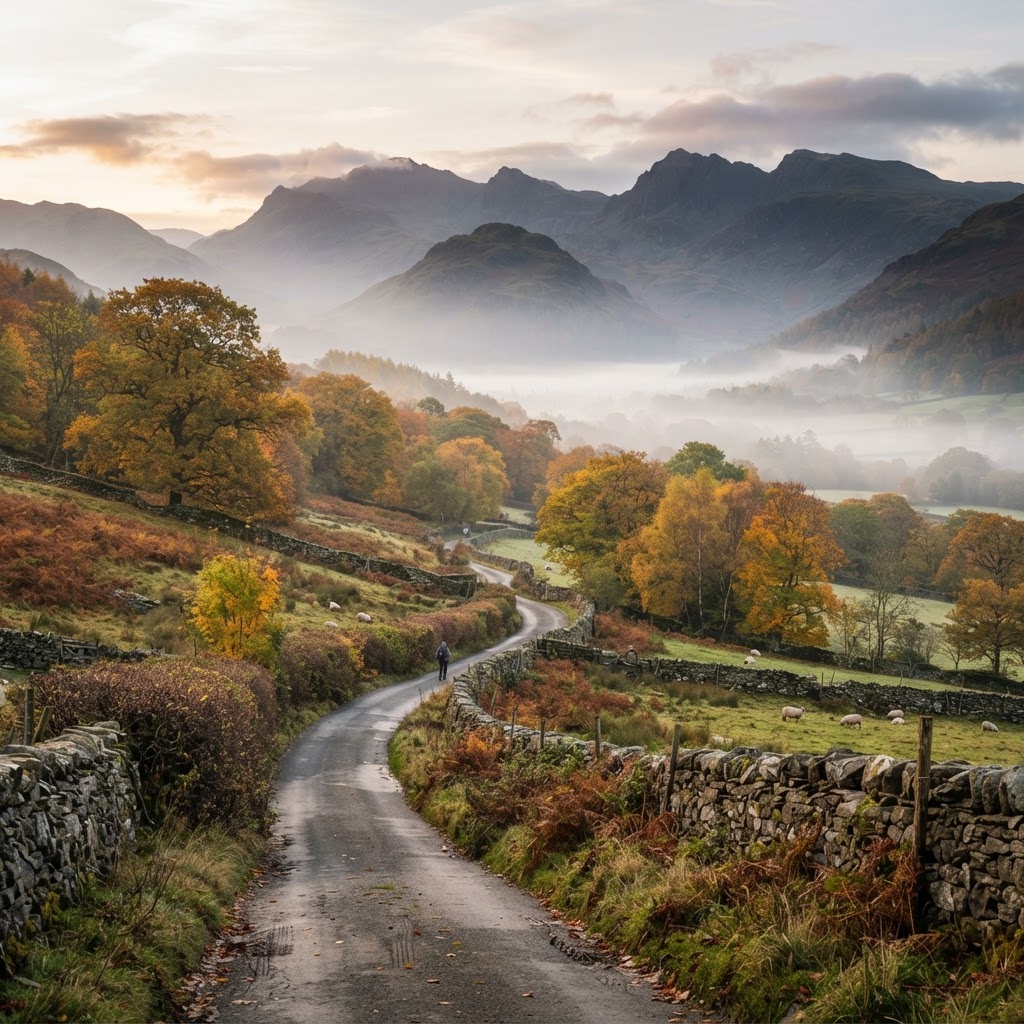
Selecting the right geographic region is the single most effective way to keep your accommodation costs under the £150 threshold while still experiencing iconic British landscapes. Northern England, particularly the Peak District and the Yorkshire Dales, consistently ranks as the most budget-friendly region due to lower regional property overheads compared to the South. For instance, a night in a luxury boutique inn in the Yorkshire Dales often averages £110, whereas an equivalent experience in the Cotswolds or near Bath would easily exceed £190 for the same date.
Why Northern England is a Budget Winner
Northern England tends to have a lower cost of living, which reflects positively on hospitality prices. In towns like Haworth, Sedbergh, or Castleton, you can find traditional coaching inns that offer bed and breakfast for significantly less than their southern counterparts. These locations serve as perfect hubs for hiking, biking, and exploring local heritage sites, meaning you spend less on accommodation and more on experiences.
How to Find the Best Deals Online
Navigating the digital space to find your perfect stay is an art form that prioritizes direct booking over third-party convenience. While platforms like Booking.com or Expedia are helpful for research, they often charge commission fees of 15% to 25%, which are naturally baked into the prices you see. By finding a property on an aggregator and then visiting their official website directly, you can often save £15-£30 per night or negotiate extras like complimentary breakfasts. Always look for “Best Rate Guaranteed” banners on official hotel homepages.
Utilizing Niche Booking Platforms
Look beyond the giants. Websites dedicated to luxury glamping, boutique farm stays, or independent pub inns often have better vetting processes for quality. By focusing on niche platforms, you increase the likelihood of finding unique, owner-operated properties where the personal touch is part of the package. This is a critical strategy when considering where to stay in the English countryside under £150.
Making the Most of Your £150 Budget
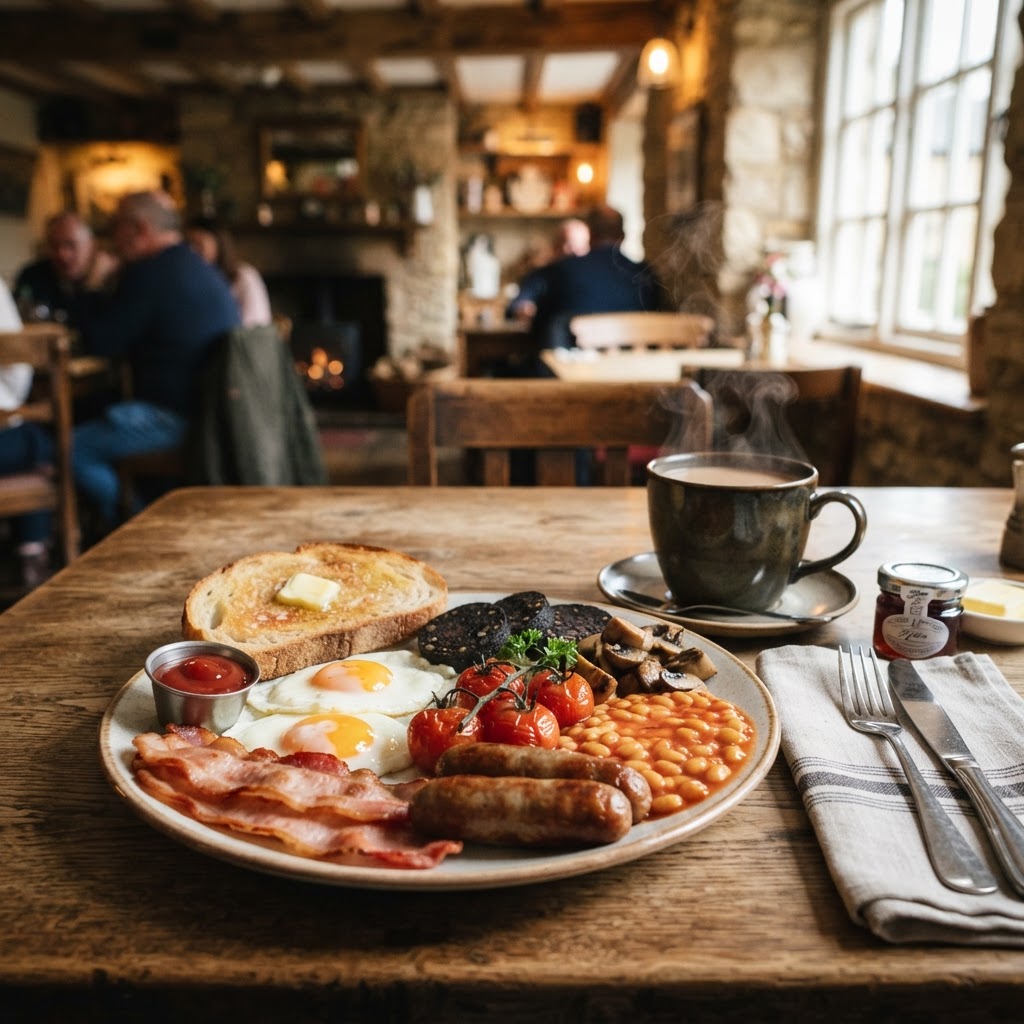
Maximizing your £150 budget requires viewing the trip as a total cost package rather than just a nightly room rate. Focusing on accommodations that include a full cooked English breakfast—valued at approximately £15 per person—effectively reduces your daily food spending significantly. When choosing where to stay, prioritize “inn” style establishments where the kitchen is a focal point; these locations often have set-price dinner deals for residents that are substantially cheaper than standalone dining at external restaurants. By aligning your stay with value-added services, you maintain a high standard of living without exceeding your daily allocation.
Strategies for Cost-Effective Travel
Travel light, use regional rail networks where possible, and take advantage of free local activities like public footpaths and historical ruins. English Heritage and National Trust properties are staples of the countryside, and a membership can pay for itself within two or three visits. By planning your itinerary around free natural beauty, you remove the pressure of expensive tourist attractions.
Essential Amenities to Look For
When you are operating on a budget, you want to make sure your money goes toward quality sleep and essential comforts. Look for listings that highlight ‘locally sourced breakfast ingredients,’ ‘ensuite bathrooms,’ and ‘easy access to public transport links.’ While you might forgo a swimming pool or a spa, ensure the property has reliable Wi-Fi if you need to work, or conversely, a ‘digital detox’ atmosphere if you are looking to escape the hustle of modern life.
What You Might Sacrifice (And Why It Doesn’t Matter)
Under the £150 price point, you might not get a 24-hour concierge or valet parking, but you will almost certainly get a more personal experience. Independent innkeepers often provide the best local advice, recommending secret walking trails that tourists rarely find. This local knowledge is arguably more valuable than any corporate amenity, adding a layer of authenticity to your trip that you simply cannot buy at a chain hotel.
Packing Tips for Rural Success
Preparation is key to a comfortable countryside stay. Because you are staying in older or converted buildings, you should pack for changing weather. Even in summer, evenings in the rolling hills can turn chilly. Bring sturdy walking shoes, a waterproof jacket, and layers that can be adjusted. This preparation ensures you don’t have to spend your budget on emergency gear once you arrive at your destination.
The Importance of Flexibility
If you find yourself in a popular area like the Cotswolds during the weekend, look for accommodation in the slightly ‘lesser-known’ villages just a ten-minute drive away. The difference in price can be substantial, and you’ll find that these quieter villages offer a more genuine insight into rural English life, away from the typical tourist crowds.
FAQ
Q: Can I find a luxury hotel for under £150 in the English countryside?
While standard luxury hotels often exceed £200, you can secure boutique-style “luxury” through independent gastropubs and high-end B&Bs. These properties offer comparable comfort, high-thread-count linens, and gourmet food for under £150, provided you book outside of peak holiday weekends.
Q: Is it cheaper to stay in the North or South of England?
Staying in Northern England is consistently cheaper due to lower regional hospitality overheads. Towns in the Yorkshire Dales or Peak District often offer rooms for £90–£120, whereas comparable accommodations in the South of England or the Cotswolds frequently start at £170+ during the same seasons.
Q: Does booking directly with a hotel actually save money?
Yes, booking directly almost always saves you money because it avoids the 15-25% commission fees charged by third-party booking sites. Direct bookers are also more likely to receive complimentary upgrades, late check-outs, or free breakfast packages that aren’t offered through external aggregators.
Q: Which months are best for budget-friendly countryside trips?
April, May, September, and October are the best months for budget travel in the English countryside. These “shoulder” months offer mild weather and the natural beauty of the changing seasons while allowing you to avoid the inflated prices of the July and August peak summer holidays.
Q: Should I choose a B&B or a Gastropub for my stay?
Choose a B&B if you prefer a quiet, intimate atmosphere and a focused breakfast service, or choose a Gastropub if you prioritize high-quality dining and a social, lively evening environment. Gastropubs often provide better overall value by combining your accommodation and high-end dinner expenses into one location.
How to Find Hidden Discounts Like a Local
Booking sites are useful for comparisons, but they often hide the best rates behind service fees. Always call the property directly after finding a potential spot online. Ask if they offer a ‘direct booking rate’ or a discount for stays of three nights or more. Many innkeepers will happily shave £10 or £15 off the nightly price to avoid paying commission to third-party travel aggregators.
Check the property’s social media pages before you commit. Small, independent pubs frequently post last-minute cancellations or mid-week offers that never reach mainstream booking platforms. Sending a polite message on Instagram or Facebook can sometimes secure a room that appears ‘sold out’ on larger websites.
Common Mistakes That Spike Your Costs
Ignoring the ‘Sunday Night’ Sweet Spot
Many travelers treat Sunday nights as part of the weekend, keeping prices high. However, by Monday morning, most weekend tourists have departed for home. Ask for a Sunday-to-Tuesday package to benefit from significant rate drops. You will often find the room prices are 25% lower than Friday or Saturday rates.
Overlooking Independent Hostels and Barn Conversions
Don’t assume all rural accommodation must be a hotel. Modern ‘poshtels’ and independent bunkhouses in places like the Lake District offer private rooms that feel like high-end boutique hotels. You gain access to communal kitchens, which saves you money on eating out every single night. You get the same hiking access for a fraction of the cost.
A Three-Day Budget Itinerary Planning Guide
Plan to spend three days in one location rather than hopping between villages. Frequent moves waste your budget on travel expenses and minimize the time you spend relaxing. Use this time to explore local footpaths that start right outside your door.
- Day 1: Arrive by train, drop your bags, and walk the nearest local loop. Eat dinner at your inn to support the local business.
- Day 2: Rent a local bike or use your own gear for a full day of exploration. Pack a lunch from a village deli to avoid tourist-trap cafe prices.
- Day 3: Visit a local heritage site or market town before heading home in the afternoon.
Your Pre-Booking Checklist
- Does the rate include breakfast? A full English breakfast can cost £15 per person in a cafe; ensure it is included in your room rate.
- Is the location accessible by public transport? If not, factor in the cost of a rental car or taxi to your total budget.
- Have you checked the ‘extras’ list? Some rural pubs charge for parking or early check-in, which can quickly push you over your £150 limit.
Frequently Asked Questions
Should I wait for last-minute deals?
No, not if you want to stay in a popular area like the Yorkshire Dales. Booking two months in advance is the safest way to guarantee a room under £150. Last-minute deals are rare in the countryside and usually only appear during very quiet midweek periods.
Are breakfast-included rates actually better value?
Yes, always look for bed and breakfast rates. Rural areas often have limited breakfast options, and finding a cafe that is open early can be difficult. Having a cooked meal included in your stay ensures you are fueled for a full day of hiking without extra daily planning.
Leave a Reply