
Capri Island lemon dreams center on the ‘Femminello’ or Sorrento lemon, a PGI-certified fruit renowned for its sweet, floral aroma and high essential oil content. These lemons define the island’s culture, from the iconic terraced groves overlooking the Mediterranean to their essential role in world-class Limoncello and traditional Mediterranean cuisine.
The Legend of the Sorrento Lemon
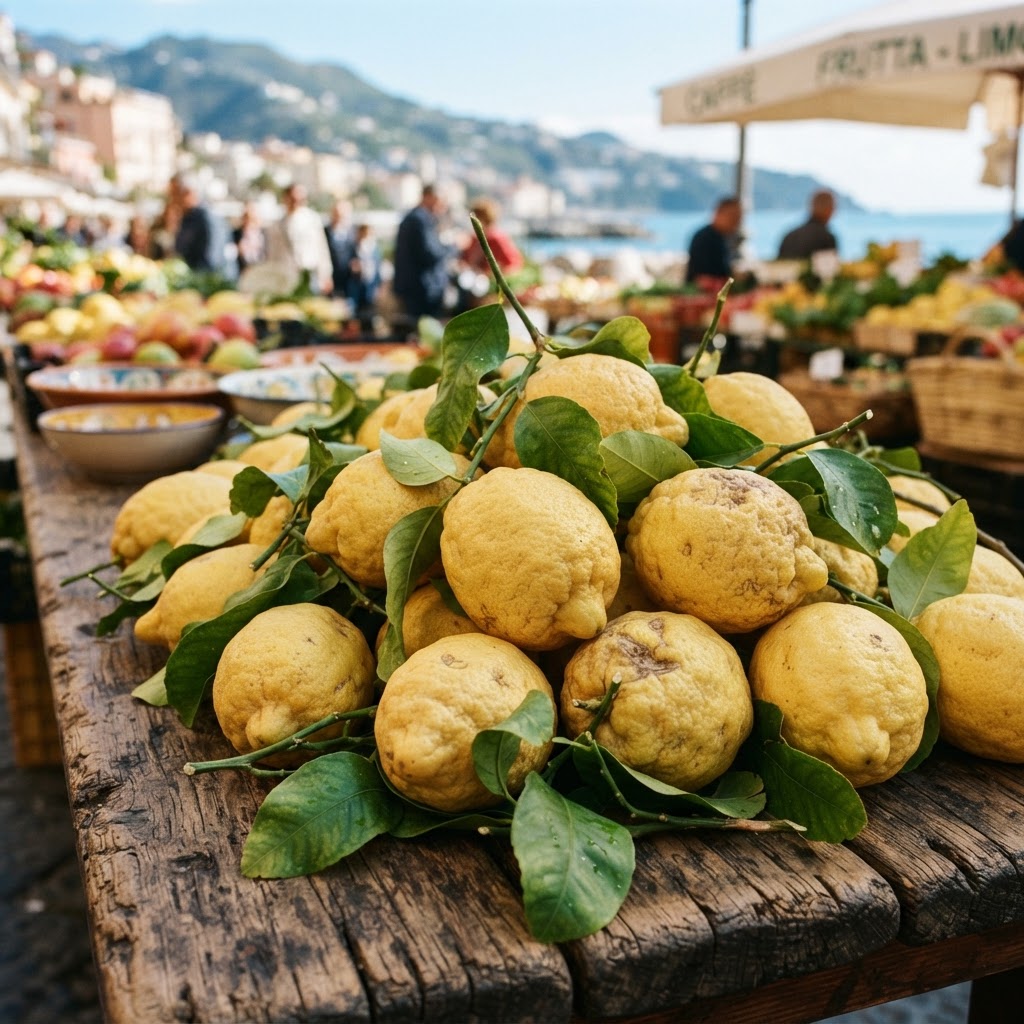
While the world refers to these bright yellow treasures as Capri lemons, botanists and locals alike recognize them as the ‘Femminello’ or Sorrento lemon. These lemons are protected by the Geographical Indication (PGI) status, ensuring that only those grown in the specific Sorrento Peninsula microclimate can claim the name. The high concentration of essential oils in their thick, wrinkled skin makes them vastly different from the standard supermarket variety, yielding a sugar content that balances their natural acidity. Historically, these trees were planted to provide shade and protection for other crops on the steep terraces of the island. Over time, they became the backbone of the local economy and culture, thriving on volcanic soil enriched by centuries of sea salt spray and intense Italian sun. This slow-growth process ensures the distinct flavor profile that separates authentic island lemons from generic commercial imports. The PGI certification requires that these lemons be grown on terraces with a maximum inclination of 30%, further proving the artisanal nature of this agricultural powerhouse.
Why Soil and Sea Matter
The unique topography of Capri plays a crucial role in the development of these fruits through a combination of volcanic mineral density and precise maritime climate control. The volcanic soil provides an abundance of minerals that the roots soak up, while the terraced farming techniques—often requiring manual labor due to the impossibility of using machinery on such steep cliffs—ensure that each tree receives individual attention. This manual labor is not merely for aesthetics; it is a necessity for survival in the vertical landscape. Farmers typically prune these trees three times a year to manage size and maximize yield. The interaction between the humid sea air and the mineral-rich earth creates a natural irrigation cycle that lowers the internal acidity of the fruit compared to inland varieties. By allowing the lemons to remain on the branch for up to 10 months, local farmers ensure that the essential oils are fully developed, resulting in a rind that is far more fragrant than any supermarket equivalent.
Exploring the Iconic Lemon Groves
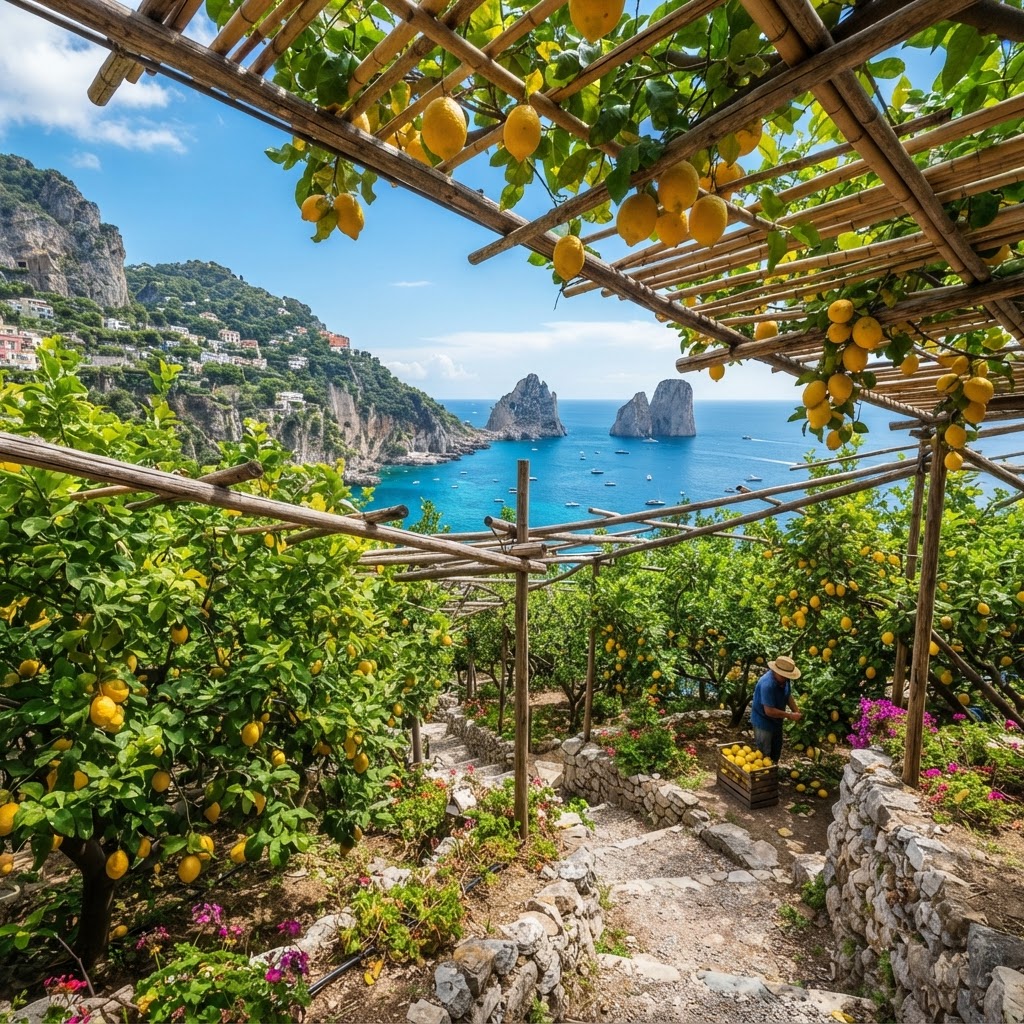
If you find yourself wandering through the backstreets of Capri or nearby Anacapri, you will likely stumble upon the famous pergolas, which serve as the primary architectural feature of the island’s lemon production. These are not your typical orchards; the lemon trees are trained to grow beneath bamboo lattices, creating a tunnel of shade that protects the fruit from direct scorching heat and high winds. This labor-intensive agricultural style is a testament to the dedication of local farmers who maintain these structures to produce fruit that stays on the tree longer. Visitors can book tours of these historic groves to see the process firsthand, typically costing between €25 and €50 depending on the inclusions like food tastings. Standing under the canopy of green leaves with bright yellow lemons hanging like lanterns above you is the definition of a travel dream come true. You will learn about the grafting process and the organic farming methods that ensure the purity of the fruit, often seeing 50-year-old trees still bearing high-quality harvests.
Seasonal Highlights for Travelers
Visiting during the bloom period, which occurs in the spring, offers a sensory overload of orange blossom scent as the island awakens. However, the harvest period during the late summer and early autumn is when the island feels most vibrant and the fruit is at its peak. During this time, the lemons are at their largest—often reaching the size of a grapefruit—and most fragrant, perfect for immediate use in local kitchens. Planning your trip around the harvest allows for better access to fresh farm-to-table dining experiences where the fruit is picked just hours before being served. Travelers often overlook that the peak harvest runs from August through October, during which time many private farms open their gates to the public for special tasting events. The weather during this window remains warm, averaging 24°C, making it the ideal time for walking the steep paths to the various hidden groves located in the higher elevations of Anacapri.
Culinary Traditions: Beyond the Garnish
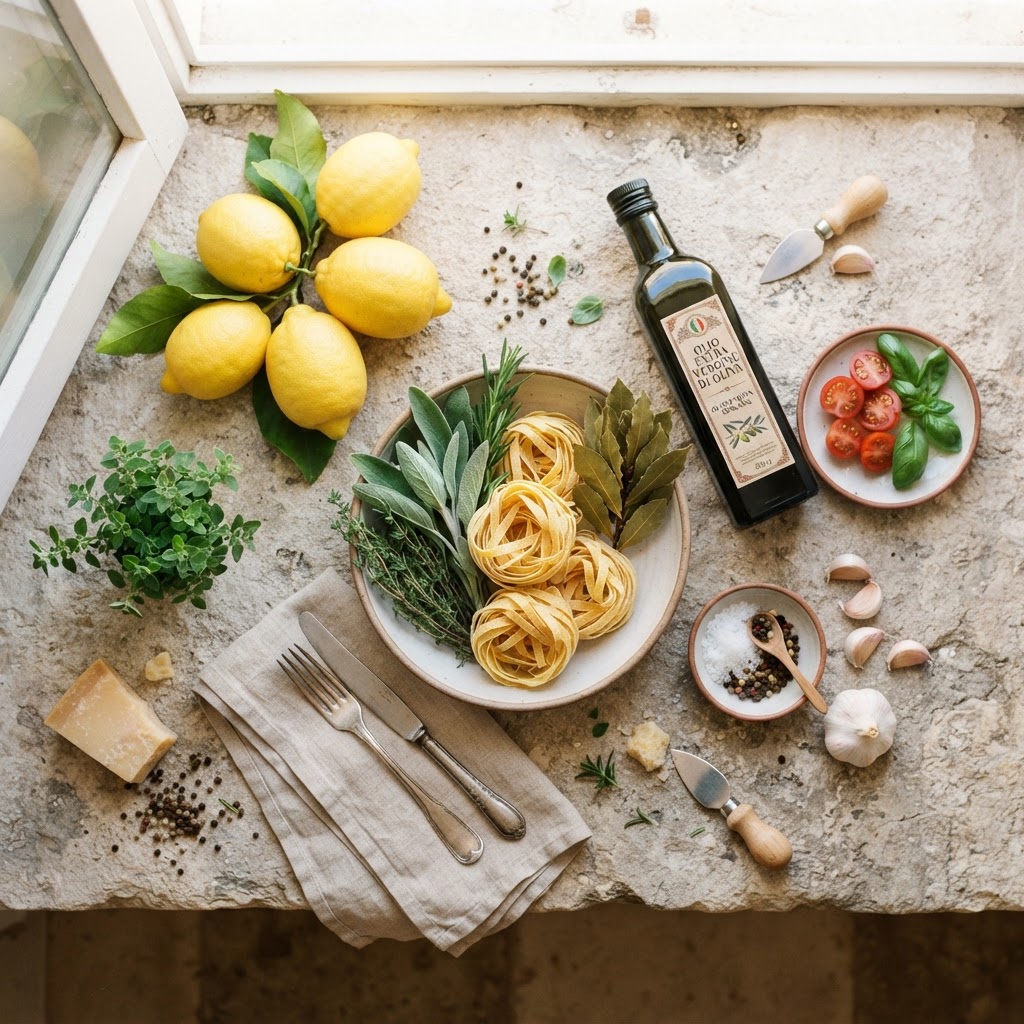
In Capri, the lemon is not just an accessory for a glass of water; it is a fundamental ingredient that serves as the backbone of the regional diet. From savory pasta dishes to sweet pastries, the lemon is the star of the show. One cannot discuss Capri Island Lemon Dreams without mentioning ‘Tagliolini al Limone,’ a silky pasta dish tossed in a light, fragrant lemon-butter sauce that highlights the natural sweetness of the fruit without overpowering the starch. Another staple is the use of lemon zest in local fish dishes, such as Sea Bream or Swordfish, where the acidity cuts through the richness of the fresh Mediterranean catch to provide a balanced finish. Many restaurants have their own secret family recipes for lemon-infused olive oils, which are used to finish everything from salads to grilled vegetables. These oils are crafted by steeping fresh peels in cold-pressed extra virgin olive oil for a minimum of 30 days to achieve a deep, infused flavor profile that lasts throughout the year.
The Magic of Authentic Limoncello
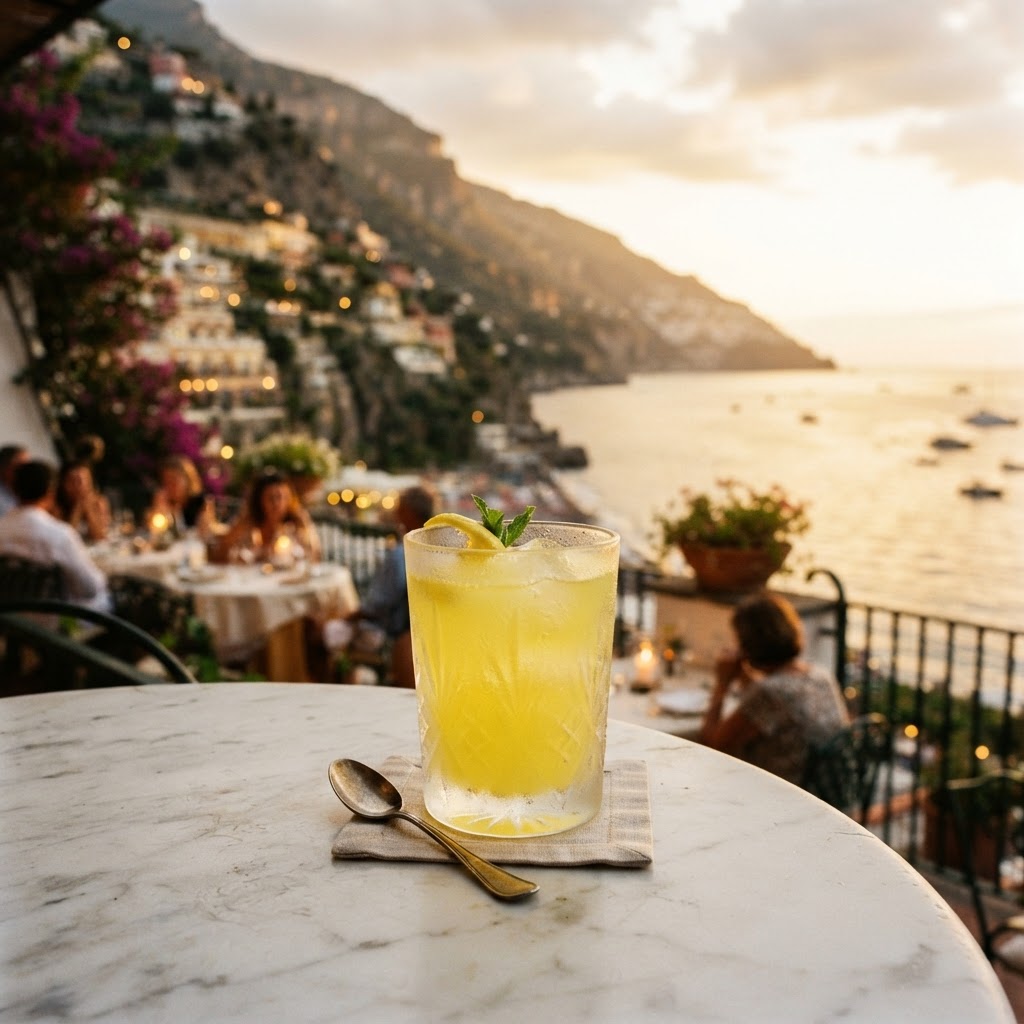
Perhaps the most famous product of the Capri lemon is Limoncello, a bright yellow liqueur that acts as a ritualistic end to every meal on the island. Authentic Limoncello is made by macerating the thick, pesticide-free peels of Sorrento lemons in pure grain alcohol (usually 95% ABV) for 7 to 14 days, then combining it with a specific ratio of water and simple syrup. Unlike commercially produced versions, which often rely on artificial flavors and food coloring, the local artisanal variety is smooth, fragrant, and deeply comforting due to the intense essential oil content of the Sorrento rind. It is served ice-cold, usually in chilled ceramic glasses kept at temperatures below 0°C. When you sip it, you are not just drinking a digestif; you are tasting the history of the island, with many local producers having perfected their recipes over four or five generations. The total production time for a high-quality batch is roughly 30 days from peeling to bottling, ensuring maximum extraction of the limonene oils.
Making Your Own at Home
While you cannot replicate the exact Capri climate, you can approximate the experience by using high-quality organic lemons and controlling the maceration environment. The key is to peel only the bright yellow skin, carefully avoiding the white pith, which adds an unwanted bitter tannin that ruins the liqueur’s texture. You should use a vegetable peeler for precision and focus on obtaining thin, wide ribbons of zest. The ratio of zest to alcohol is where the true craftsmanship lies; most experts recommend 10 to 12 lemons per 1 liter of 95% neutral grain alcohol. Allow the mixture to sit in a cool, dark place, away from direct sunlight, for at least 10 days, shaking the container daily to ensure full infusion. Once the alcohol turns a vibrant yellow, strain it and combine with a sugar syrup made of 800ml of water and 600g of white sugar. Let the final mixture rest for another week before serving for the smoothest possible finish.
Wellness and Beauty: The Lemon Effect
Beyond the plate and the glass, the lemons of Capri are celebrated for their health benefits and high vitamin C content, which has led to a booming local skincare industry. The essential oils extracted from the peel are staples in local boutique production, utilized for their natural antiseptic, brightening, and antibacterial properties. You will find soaps, lotions, and colognes throughout the island boutiques that leverage the fruit’s natural chemical profile to improve skin radiance. These products make for the perfect souvenir, bringing a piece of the Mediterranean morning routine back to your bathroom. Using a lemon-scented body scrub after a day at the beach is considered a rite of passage for visitors who want to keep that summer glow alive even after returning home. Many of these local beauty products are produced in small batches with no synthetic preservatives, meaning they often have a shelf life of approximately 12 months after opening, making them authentic, fresh imports from the island’s own botanical workshops.
Sustainable Farming and the Future
The preservation of these lemon groves is an ongoing challenge due to the high costs associated with manual labor and the encroachment of modern, less sustainable agricultural practices. Many farmers remain committed to the traditional Femminello variety because it is the only fruit that can withstand the specific salt-rich winds of the Capri coast. They view their work as a form of cultural stewardship, passing down grafting techniques that date back to the 19th century. By supporting small-batch producers and farm-to-table restaurants, travelers play a direct role in keeping these traditions alive rather than fueling the mass-production market. Currently, there are less than 50 hectares of protected lemon groves left on the island, making every purchase from a local producer vital to the preservation of the landscape. Travelers are encouraged to look for the ‘PGI’ seal of authenticity when purchasing items to ensure that their money supports local conservation efforts rather than industrial copycats that do not follow traditional cultivation cycles.
Supporting Local Producers
When buying souvenirs, look for the ‘PGI’ seal of authenticity to guarantee that the product was grown within the designated geographical boundaries and adhered to specific quality standards. Purchasing from small, family-run kiosks directly supports the local economy and ensures that you are getting the genuine product rather than imported fruit sold as ‘Capri’ produce. This conscious travel mindset helps maintain the balance between tourism and the preservation of the delicate island landscape. Look for products labeled with the producer’s name and the specific grove location, which are common hallmarks of genuine artisanal goods on the island. By choosing these items, you are directly funding the maintenance of the ancient stone terraces that protect the island from erosion. A typical high-quality, PGI-certified bottle of artisanal Limoncello usually retails for between €25 and €40; prices significantly lower than this often indicate mass-produced syrups rather than genuine lemon-infused spirits.
FAQ
What makes Capri lemons different from regular lemons?
Capri lemons, or Femminello, have significantly thicker rinds containing high concentrations of essential oils, making them more fragrant and less acidic than supermarket lemons. They are grown on terraced cliffs using traditional manual farming methods that allow for a longer maturation period.
When is the best time to visit the lemon groves in Capri?
The best time to visit is during the harvest period from late August to October when the fruit is at its most fragrant and largest. Visiting in the spring (April-May) is also excellent for experiencing the scent of the lemon blossoms.
Is Limoncello made differently in Capri?
Yes, authentic Capri Limoncello is made by macerating thick, organic Sorrento lemon peels in high-proof pure grain alcohol for several weeks, without artificial flavors. This creates a smooth, naturally fragrant digestif that is distinct from mass-produced versions found elsewhere.
How can I identify authentic Capri lemon products?
Look for the PGI (Protected Geographical Indication) seal on any lemon-derived product, such as oils, soaps, or Limoncello. This label verifies that the fruit was grown on the Sorrento Peninsula under regulated, traditional conditions.
Can I visit the lemon groves on my own?
Most private lemon groves in Capri require advanced booking for guided tours to ensure access to the private pergolas. It is highly recommended to reserve your spot online at least two weeks before your trip to ensure availability during the peak harvest season.
Leave a Reply