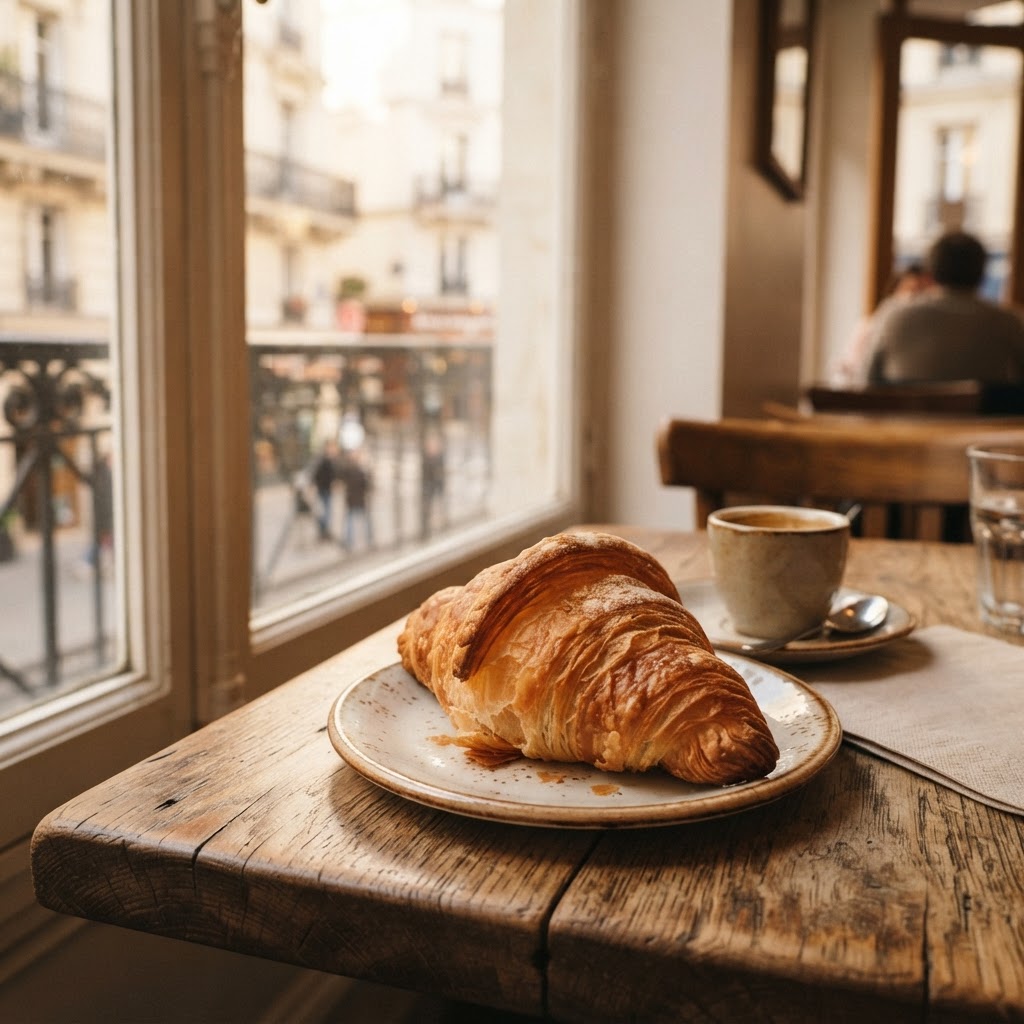
The ultimate Parisian morning experience involves visiting a neighborhood boulangerie between 7:30 AM and 9:00 AM to purchase a traditional butter croissant, then enjoying it on a quiet stone bench in areas like Le Marais or the Latin Quarter. Authentic quality is identified by a golden-brown crust, visible honeycomb interior, and local queues.
The Anatomy of the Perfect Parisian Morning
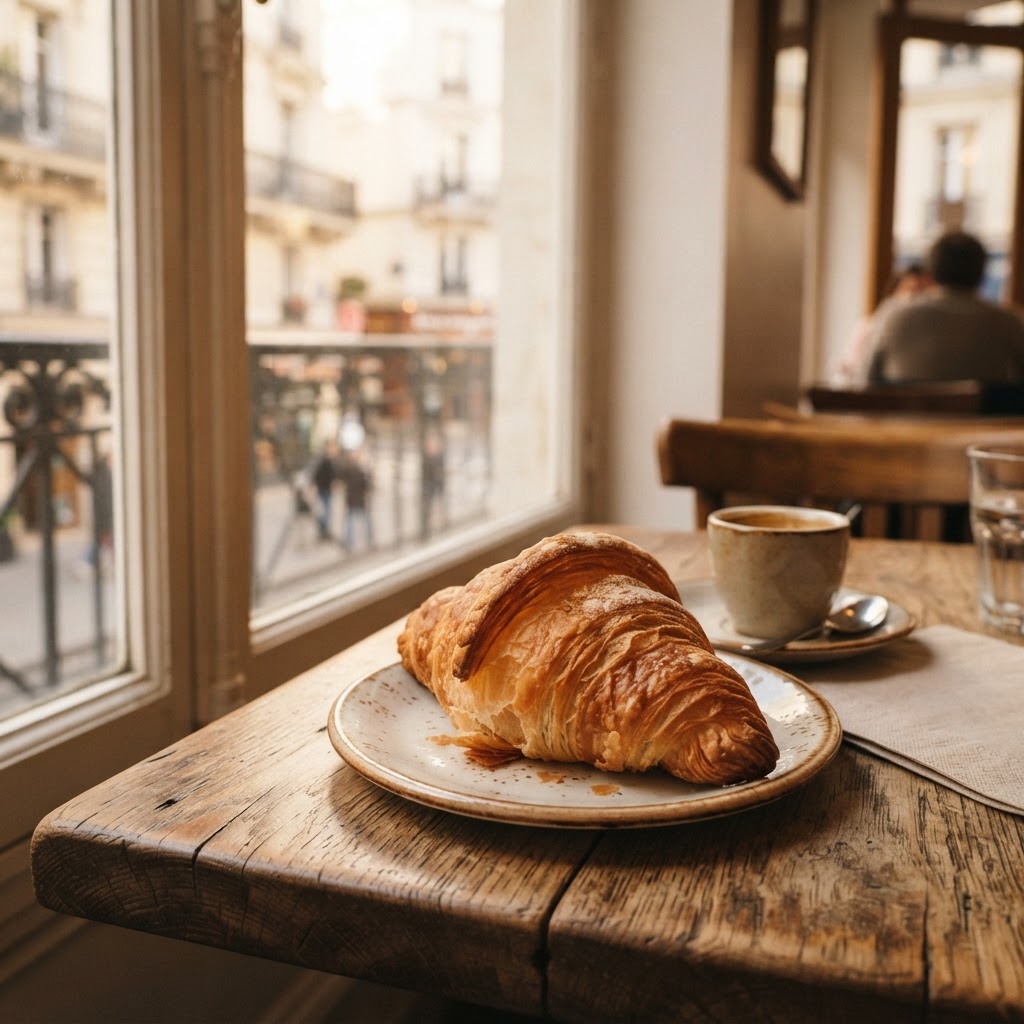
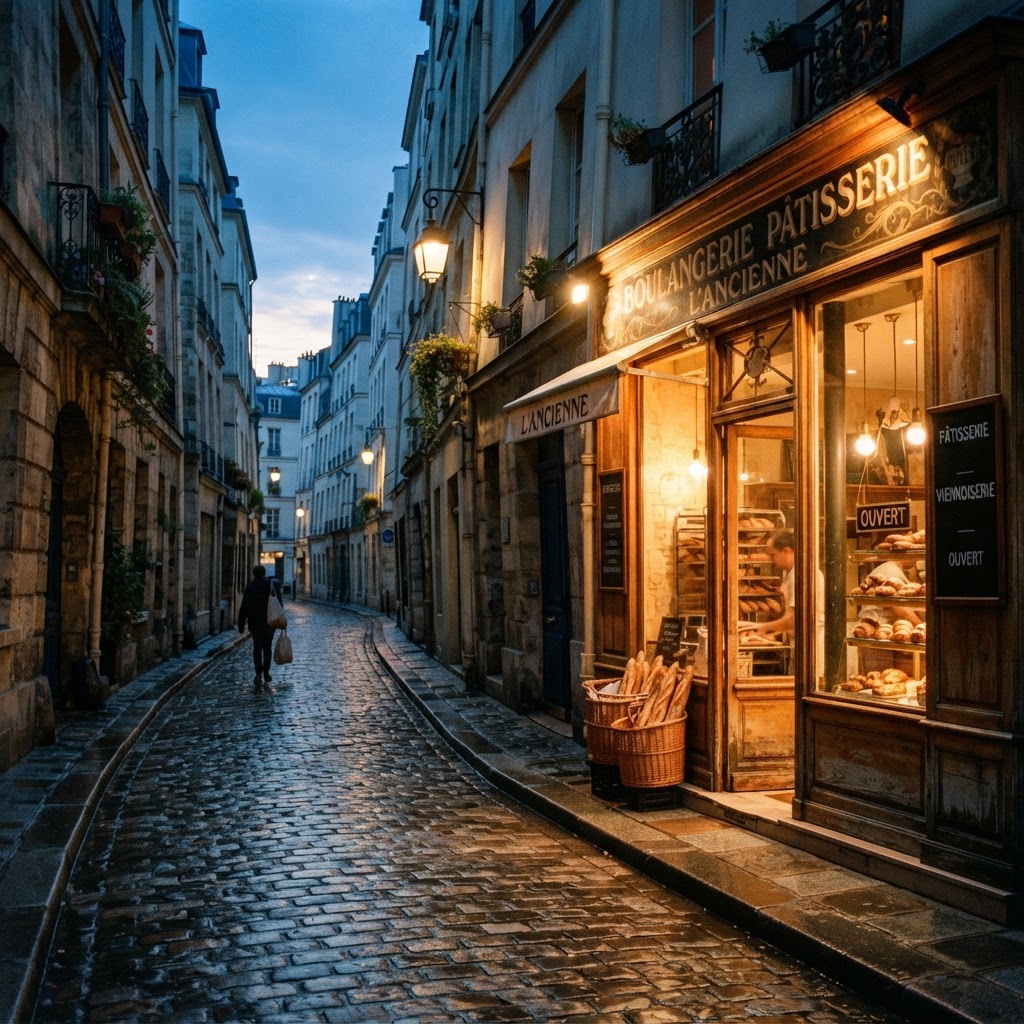
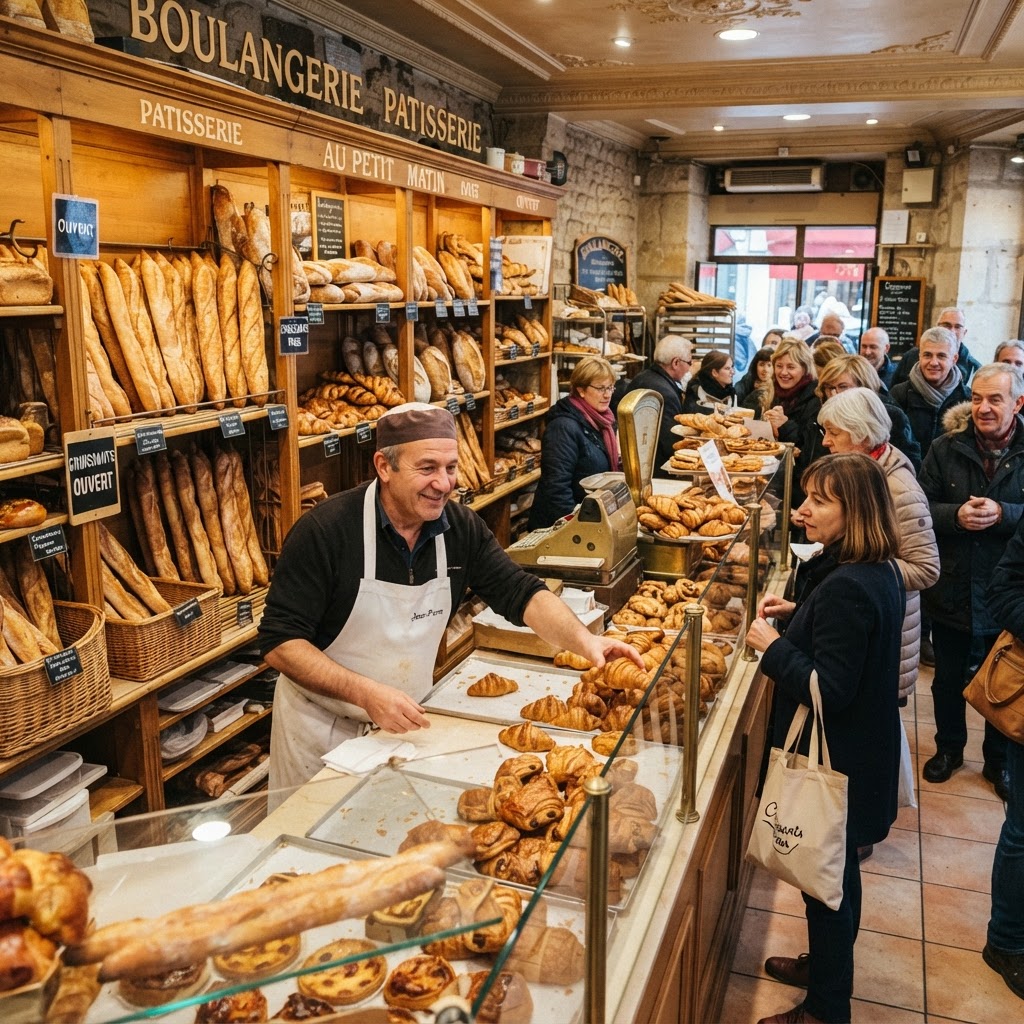
Embracing the ‘flâneur’ spirit—the art of strolling without a destination—is the primary method for discovering the city’s most authentic boulangeries. By deliberately choosing independent, family-run neighborhood shops over high-street chains, you support centuries-old artisanal traditions and access higher-quality, preservative-free products. These small shops serve as vital community hubs where bakers are revered for their craftsmanship and local residents gather daily. You can easily spot the best establishments by the morning queue; in a city that treats bread with serious reverence, a line of locals is the most reliable metric of excellence. Expect to pay between €1.20 and €1.60 for a high-quality croissant, and always look for the artisanal label or signs indicating ‘fait maison’ to ensure the pastry was baked on-site rather than mass-produced.
Why Neighborhood Bakeries Matter
When you step into an authentic Paris boulangerie, you are supporting a tradition that has remained largely unchanged for centuries. These shops prioritize local ingredients and artisanal techniques, ensuring that every baguette and viennoiserie is crafted with intention. The best bakeries are often identified by a simple, long queue of locals extending out the door, a clear sign of excellence in a city that takes its bread very seriously.
Mastering the Art of the Croissant
A master-level croissant is defined by the precise balance of a shatteringly crisp, deep-golden exterior and a delicate, cloud-like, honeycomb interior. To identify a superior pastry, observe the ‘alveoli’ or inner air pockets; these should be irregular in shape and size, which signifies a long, cold-fermentation process and precise butter-folding techniques. When broken, a warm, high-quality croissant should release a distinct aroma of cultured AOP (Appellation d’Origine Protégée) butter without any lingering notes of burnt flour. High-quality butter is the primary ingredient, typically accounting for over 20% of the pastry’s weight, which creates the essential richness and flaky texture that defines the Parisian standard. If the interior feels bready or dense like a standard dinner roll, it lacks the professional lamination required of a top-tier boulangerie. Use the following guide to evaluate your find:
The Tasting Hierarchy
Not all croissants are created equal, and knowing what to look for is part of the fun. Here is how you can evaluate your breakfast find:
- Visual Appeal: Look for a deep, golden-brown color. Pale croissants often lack that essential caramelization.
- The Sound: A proper croissant should make a slight, delicate crunch when you gently pull it apart.
- The Aroma: You should smell fresh butter immediately, without any underlying notes of burnt flour or excessive yeast.
- The Interior: The ‘alveoli’ or holes should be irregular, indicating a long fermentation process and careful folding.
Cobblestone Streets and Morning Light
Choosing the right location to consume your morning pastry is just as critical as the selection process, with quiet public squares offering the best light. Between 8:00 AM and 9:30 AM, the sunlight hits the Haussmann-style limestone buildings at an angle that creates a warm, ethereal glow ideal for photography and relaxed consumption. While many tourists opt for the busy café zinc bars, a superior experience is found on a quiet park bench in the Place des Vosges or a stone ledge near the Seine. Walking through historical districts like Le Marais, the Latin Quarter, or Montmartre allows you to connect with the city before the peak crowds arrive.
Best Neighborhoods for Morning Walks
If you want to experience the most picturesque cobblestone streets, prioritize these districts:
- Le Marais: A historic labyrinth of narrow, winding lanes that feel frozen in time.
- Latin Quarter: Steeped in scholarly history, its tight streets offer endless hidden bakery gems.
- Montmartre: While hilly, its quiet corners away from the Basilica offer peaceful morning vistas.
Navigating the Boulangerie Experience
Mastering the social protocol of a Parisian bakery relies on the “Golden Rule” of mandatory polite greetings upon entry. Always initiate your transaction with a clear and audible ‘Bonjour, Madame’ or ‘Bonjour, Monsieur’ before making your request; skipping this step is frequently perceived as rude by staff. Once you have greeted the shopkeeper, state your order clearly, using the French terms for the items you wish to purchase. If the shop is crowded, wait your turn patiently and observe how locals organize themselves into a single, orderly line. When paying, keep small denominations of Euros ready, as many artisanal shops prefer cash for small purchases under €5.
Essential French Bakery Vocabulary
- Une tradition: The standard, high-quality baguette.
- Un croissant au beurre: The classic butter croissant.
- Pain au chocolat: The decadent chocolate-filled pastry.
- Café crème: The preferred morning coffee pairing.
The Intersection of Tradition and Modernity
Modern Parisian boulangeries are increasingly bridging the gap between centuries-old techniques and contemporary global flavors. While the traditional butter croissant remains the gold standard, top-tier bakers now frequently experiment with infused elements like matcha, black sesame, yuzu, or seasonal stone fruits. This evolution does not displace the traditional methods but rather functions as a creative layer atop the established, rigorous lamination process. For the best of both worlds, visit bakeries that hold the ‘Artisan Boulanger’ certification, which guarantees the owner is a trained professional who bakes their inventory on-site rather than sourcing it from a factory. Pair your experimental pastries with a traditional dark roast coffee to cut through the sweetness, or opt for a milky café crème to complement the richness of a chocolate-filled viennoiserie.
How to Pair Your Pastry
Think of your pastry as a component of a larger experience. A very buttery croissant pairs beautifully with a slightly bitter, dark roast coffee. If you opt for a pain au chocolat, a tea or a milky café crème can help balance the intensity of the dark chocolate. Remember, the goal is not to rush; it is to savor the contrast between the pastry and the drink.
Tips for a Sustainable Morning Routine
Conscious tourism in Paris is essential for preserving the local bakery ecosystem as demand rises. Bringing your own reusable coffee cup is highly recommended, as many modern Parisian bakeries now offer small discounts to customers who avoid disposable paper cups. Furthermore, prioritizing independent, family-owned shops ensures that your spending directly benefits local residents and protects historic craft businesses from being pushed out by corporate franchises. Avoid excessive plastic waste by carrying a small cloth bag for your bread and pastries, as paper bags are often the only packaging provided.
FAQ
Q: What is the best time of day to get a fresh croissant in Paris?
The absolute best time to visit a Paris boulangerie is between 7:30 AM and 8:30 AM. This is when the first batches come fresh out of the oven, ensuring the exterior is at its peak crunchiness and the interior is still warm.
Q: Do I need to speak French to order in a boulangerie?
You do not need to be fluent, but you must know the polite phrases. A simple “Bonjour” when entering, followed by “Un croissant, s’il vous plaît,” and a “Merci” upon leaving is perfectly acceptable and respectful for any tourist.
Q: Are there vegan options in traditional Paris bakeries?
Vegan options are currently rare in traditional Paris boulangeries, as authentic croissants rely heavily on butter. However, specialized vegan-friendly bakeries are emerging in districts like Le Marais, though they are distinct from the historic traditional establishments.
Q: How much should I tip at a bakery in Paris?
Tipping is not mandatory or expected at Parisian boulangeries. Unlike restaurants where service is a distinct factor, bakery prices are all-inclusive; however, dropping small change into a tip jar is a kind gesture if you appreciate the service.
Q: Is there a difference between a ‘Boulangerie’ and a ‘Pâtisserie’?
A ‘Boulangerie’ is legally defined as a shop that bakes its own bread on-site, while a ‘Pâtisserie’ specializes in intricate cakes and sweets. Many shops operate as both, but ensure the sign says ‘Boulangerie’ if you want fresh, artisanal bread.
Etiquette for the Perfect Transaction
Entering a boulangerie is a social ritual requiring specific manners to avoid frustration. Always lead with a polite Bonjour, Madame or Bonjour, Monsieur before making your request. Skipping this greeting is considered rude and may result in a frostier service experience from the staff. Keep your order simple and pay with small change or a card for amounts over five euros.
Mastering the Morning Queue
If you see a line, stand patiently and observe what locals order before you reach the front. Have your money ready in your hand to keep the line moving quickly. Never touch the pastries yourself with your hands; the staff will use metal tongs or a square of wax paper. Simply point to the item you desire and let them handle the transfer to a paper bag.
Neighborhood Comparisons: Where to Find Your Match
Le Marais is iconic but can be crowded with tourists. If you want a more intimate vibe, head to the 11th arrondissement near Rue de Charonne. This area is packed with younger artisanal bakers focusing on sourdough-based viennoiserie. For a classic, regal experience, visit the 7th arrondissement. You will pay slightly more here, but the buttery quality of the pastries is consistently elite.
Common Mistakes to Avoid
- Buying at Noon: By midday, the morning rush is over and the freshest batches have long since sold out. Aim for the 8:00 AM window for the best texture.
- Ignoring the Label: Look for the Artisan Boulanger sign. This government-regulated label ensures the baker makes the bread on-site from scratch rather than reheating factory-frozen dough.
- The Coffee Trap: Most authentic boulangeries offer coffee, but it is rarely the focus. Do not expect barista-quality lattes; focus your budget on the pastry and grab a better coffee at a nearby cafe later.
A Practical Checklist for Your Walk
- Wear comfortable walking shoes; the cobblestones of the Latin Quarter are unforgiving.
- Bring a small tote bag to carry your paper-wrapped goods safely.
- Check Google Maps for opening hours, but treat them as suggestions. Many small shops close for holidays or unexpected breaks.
- Always carry a few euros in coins for smaller purchases.
Frequently Asked Questions
Should I tip the baker?
No, tipping is not expected or required in a boulangerie. The price listed on the tag is exactly what you pay. If you want to show appreciation, simply offer a warm smile and a clear Merci, bonne journée upon leaving.
Can I eat my croissant inside the shop?
Most traditional boulangeries are strictly take-away establishments. You will rarely find tables or chairs inside. The experience is designed for you to enjoy your pastry while walking or sitting in a nearby park or garden.
Are there vegan options available?
Traditional French croissants rely heavily on AOP butter, so they are not vegan. Some modern bakeries now offer vegan versions, but these are exceptions rather than the norm. Look for bakeries specifically marketing plant-based viennoiserie if this is a requirement for you.
Leave a Reply