
Walking the Narrow Streets of Old Madrid: A Travel Guide
Exploring the ‘Madrid de los Austrias’ historic center is best achieved by wandering the winding, labyrinthine streets radiating from the Plaza Mayor to discover 17th-century architecture, authentic tapas taverns, and hidden cultural landmarks. This intimate, pedestrian-friendly area offers travelers a unique glimpse into the soul of Spain’s capital through its centuries-old alleys.
The Allure of Madrid’s Historic Architecture
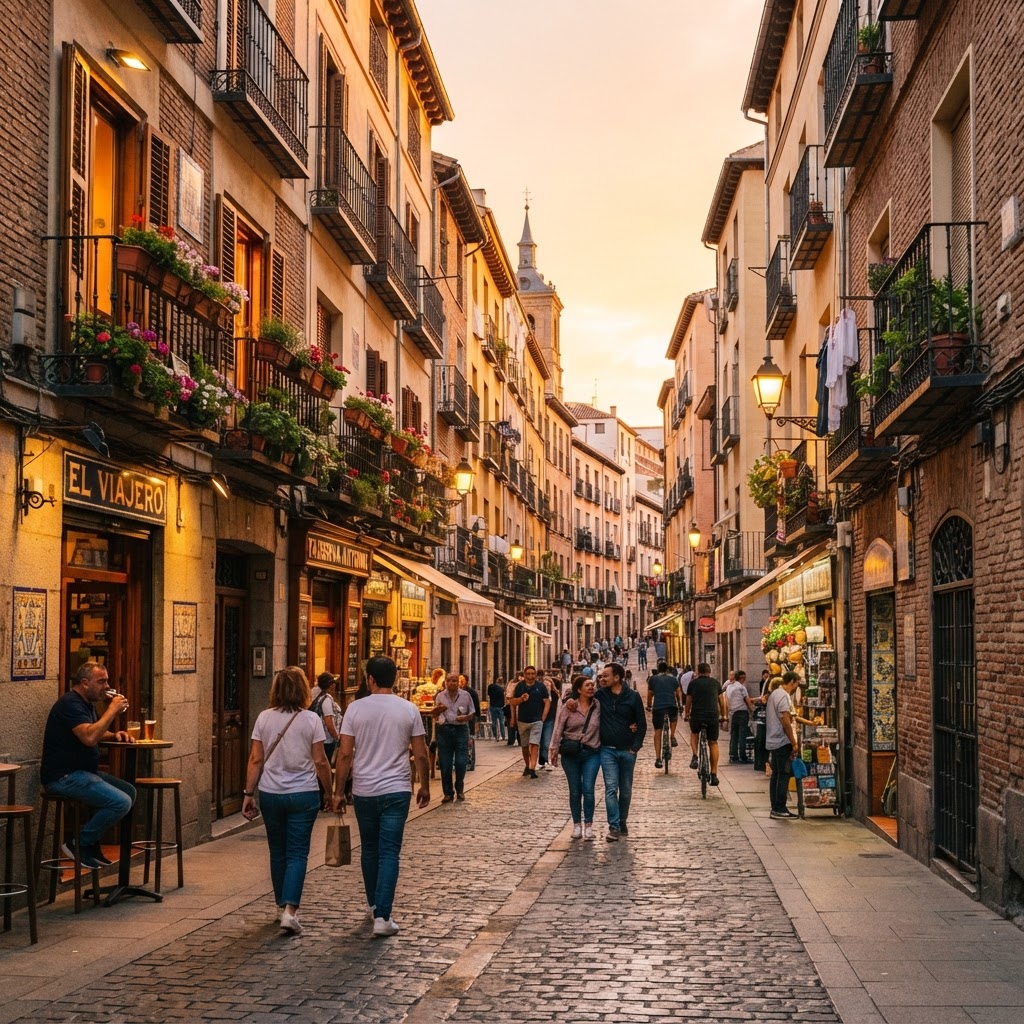
Madrid’s historic architecture is defined by the unique Habsburg-era aesthetic, which features a distinct blend of brick-and-stone facades, expansive deep courtyards, and iconic wrought-iron balconies. Unlike modern urban grids, this area evolved organically, resulting in irregular alleyways that provide architectural surprises at every turn. The construction, primarily from the 16th and 17th centuries, emphasizes vertical intimacy, where narrow lanes create cooling shadows and direct sunlight patterns that shift dramatically throughout the day.
The Charm of Wrought-Iron Balconies
The iconic balconies of the city are more than decorative; they are symbols of Spanish social life. Often draped in vibrant flower boxes or adorned with flags, they provide a vertical layer of intimacy to the narrow streets. As you walk below, you get a glimpse into the domestic side of Madrid, where residents have kept their windows open to the street life for generations. These balconies historically served as viewing platforms for local processions and street life, maintaining a tradition that continues today with residents interacting with pedestrians from above.
Navigating the Plaza Mayor and Beyond
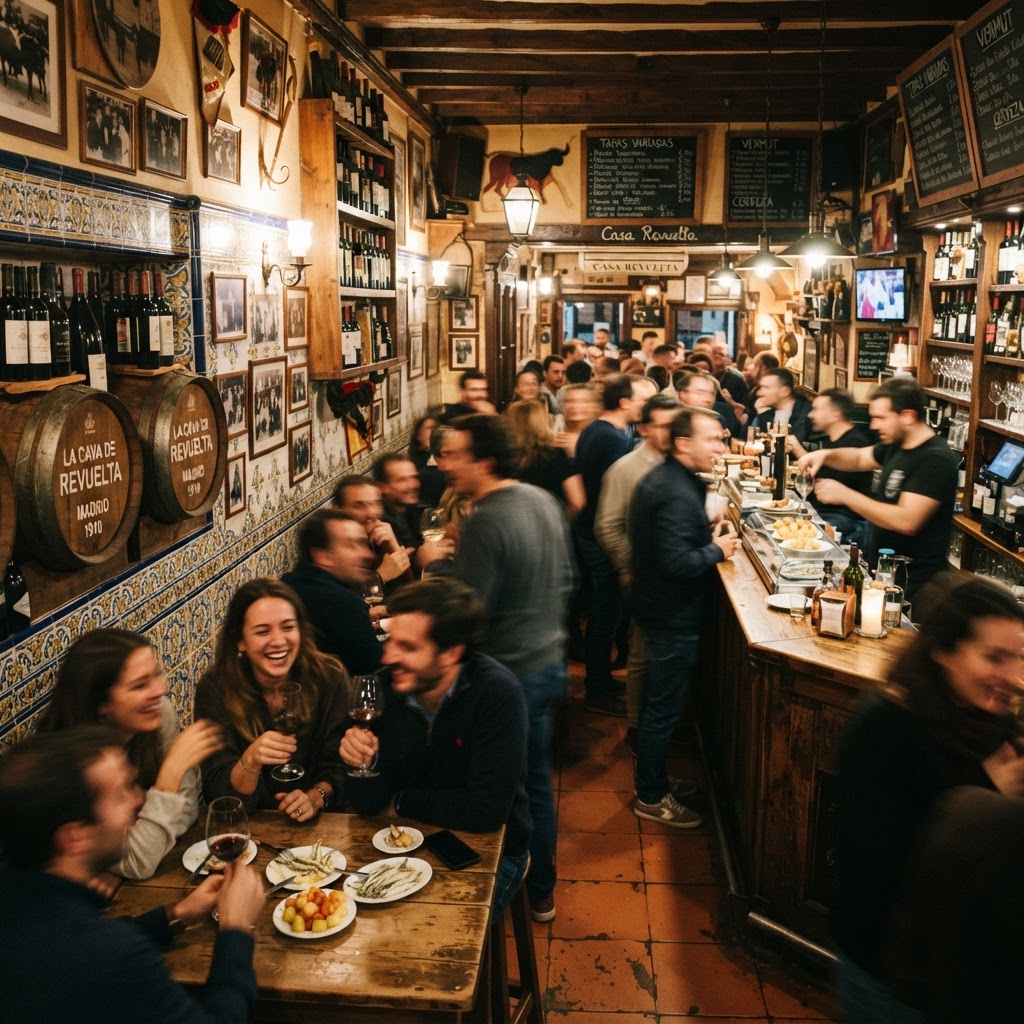
The Plaza Mayor serves as the historic, rectangular heart of Madrid, but the most authentic experiences are found in the web of smaller streets stretching outward, such as the Cava de San Miguel or Calle de Ciudad Rodrigo. While the Plaza was historically used for 17th-century public trials and bullfights, today it functions as a vibrant transit hub for visitors. By moving just two blocks away from this central square, foot traffic drops by nearly 60%, allowing for a quieter exploration of the city’s medieval origins.
Finding Quiet in the Urban Maze
If you find the main square too crowded, simply pick a side street like Cava de San Miguel or Calle de Ciudad Rodrigo. These passages act as capillaries, drawing the energy away from the tourist hubs and into calmer, more authentic surroundings. You will notice the noise of the city drop significantly as you venture deeper into the historic quarter.
A Culinary Journey Through Tapas Alleys
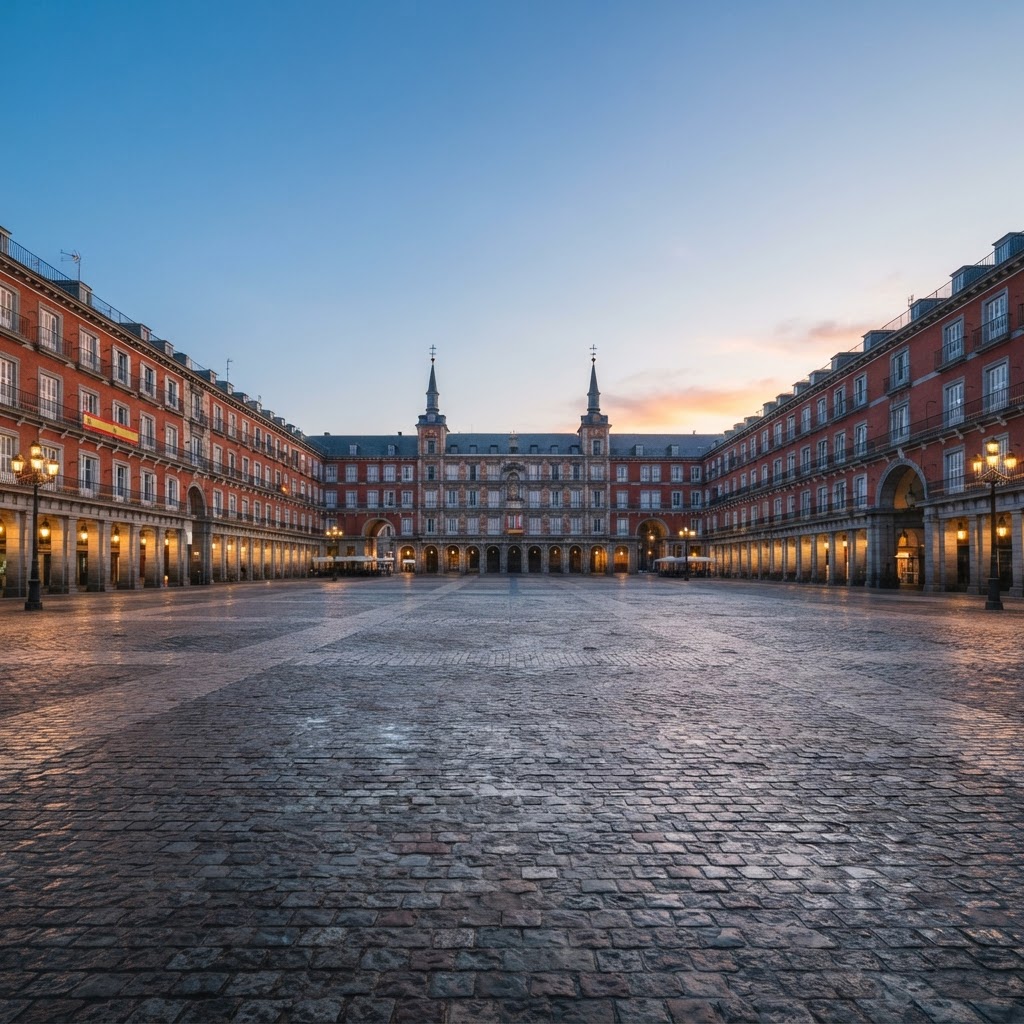
Mastering the art of ‘tapeo’ in Madrid requires navigating the historic center’s legendary, standing-room-only taverns that have often served patrons for over 100 years. Traditional establishments, particularly those surrounding Plaza de la Villa, operate on a philosophy of high-turnover service where quality ingredients define the experience. Most of these venues offer small plates, or ‘tapas,’ ranging from 3 to 8 euros, making it affordable to sample five or more distinct dishes in a single evening.
Traditional Taverns and Local Favorites
Many of these historic taverns, such as those near the Plaza de la Villa, still feature traditional decor, including tiled walls and wooden barrels. Engaging with the barkeep is part of the experience. Don’t be afraid to ask for the ‘tapa de la casa’ to get a taste of the most authentic local flavors.
Historic Sites Hidden in Plain Sight
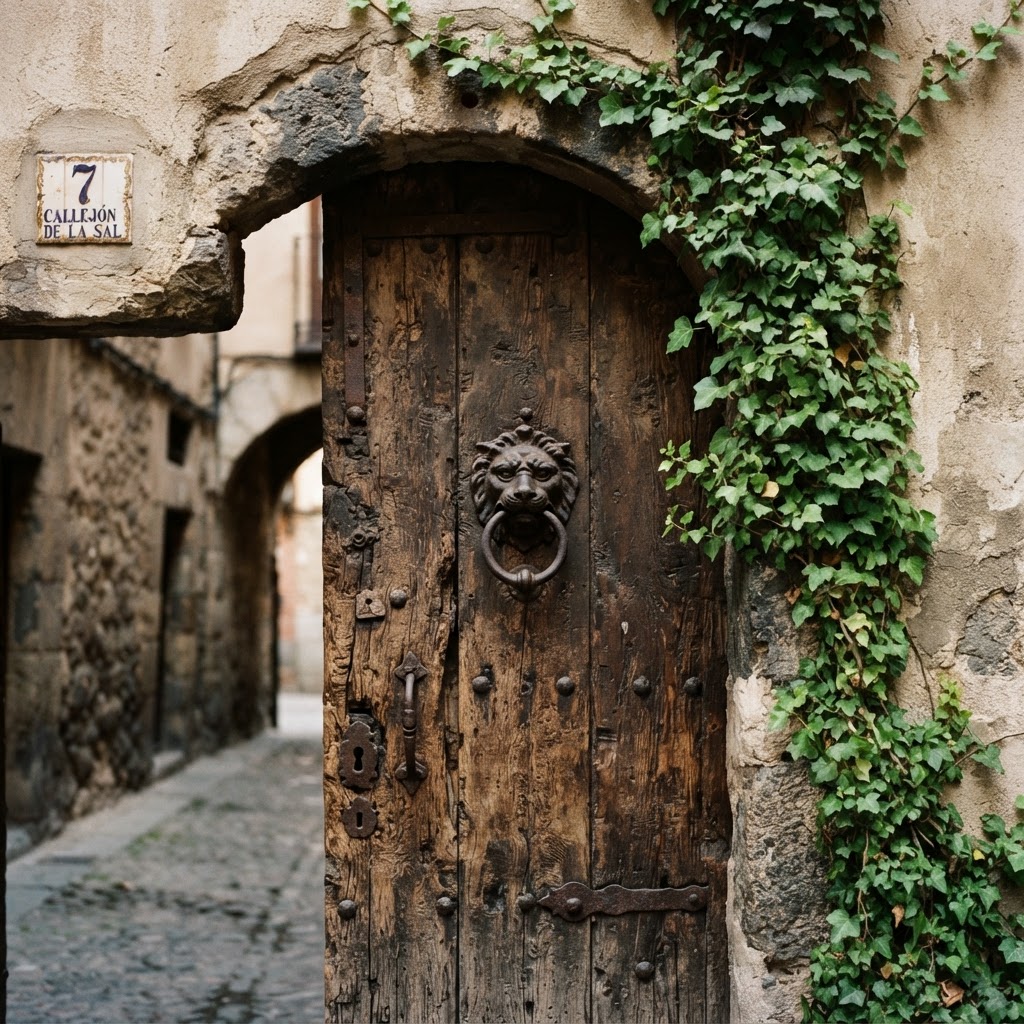
The historic streets of Madrid hide significant cultural landmarks, including 17th-century convents and former residences of literary titans, often marked only by subtle commemorative plaques. Travelers frequently overlook these sites because they are integrated into common residential facades, masking their true age. Identifying these plaques often reveals where writers like Miguel de Cervantes resided while crafting world-renowned literature, providing a literal walking tour of Spain’s Golden Age of culture.
The Convent of Las Carboneras
Located on Plaza del Conde de Miranda, this 17th-century convent is a perfect example of how the city hides its treasures. If you look closely, you may even find the ‘torno,’ a rotating wooden wheel used by silent nuns to sell traditional sweets, allowing for commerce without physical contact.
Embracing the Madrid Walking Lifestyle
To truly appreciate this area, you must adopt the local rhythm, which prioritizes slow-paced observation over efficient transit. Navigating the cobblestones requires preparation, as the historic layout was designed for pedestrians and carriages rather than modern mobility. Experts recommend starting your exploration before 10 AM to avoid the high temperatures of the summer months and the largest crowds of the day, allowing for a more immersive, sensory experience.
Tips for Comfortable Exploration
- Wear sturdy shoes: Cobblestones are unforgiving on flimsy sandals.
- Carry water: Even in autumn, the dry climate can be dehydrating.
- Keep a physical map: GPS signals can be spotty in the deepest, oldest alleys.
- Follow the shade: During the summer, map your route based on which side of the street is shadowed.
The Magic of Twilight in the Alleys
As the sun sets, the historic center undergoes a visual transformation, shifting from bustling commercial corridors to atmospheric, romantic pathways defined by warm street lighting. This period, known as the ‘golden hour,’ highlights the texture of the brickwork and stone facades, making it the most photogenic time for visitors. As the evening progresses into night, these quiet alleys become the epicenter of Madrid’s social nightlife, connecting visitors to local jazz clubs and flamenco venues that have operated for decades.
Nightlife in the Historic Center
As the night deepens, these quiet alleys become the lifeblood of Madrid’s famous nightlife. It is not just about clubs; it is about the transition to social gathering spaces that last well into the early hours of the morning. You might stumble upon a hidden flamenco venue or a jazz club tucked away in a basement that has hosted artists for decades.
FAQ
Q: What is the best way to navigate Old Madrid?
The best way to navigate Old Madrid is on foot, specifically by following a “get lost” strategy where you prioritize side streets over main thoroughfares. Wearing supportive walking shoes is essential due to the uneven cobblestone surfaces throughout the historic center.
Q: Is it safe to wander the historic streets at night?
Yes, the historic center of Madrid is generally very safe at night due to the high density of pedestrians and active nightlife in the area. Always remain aware of your surroundings and keep your belongings secure in crowded bar environments.
Q: How much does a typical tapas crawl cost?
A budget-friendly tapas crawl usually costs between 20 to 40 euros per person, depending on how many bars you visit. Each individual tapa typically costs between 3 and 8 euros, while a small beer or wine (caña/vino) usually costs 2 to 4 euros.
Q: Are there guided tours available for the historic center?
Yes, there are numerous guided walking tours available daily that focus specifically on the ‘Madrid de los Austrias’ and local culinary history. Prices typically range from 15 to 30 euros for group tours, which provide deep insights into the architecture and history of the area.
Q: What is the most famous landmark in Old Madrid?
The most famous landmark in the historic center is the Plaza Mayor, a massive, enclosed square dating back to the early 17th century. It served as the center of public life, including royal ceremonies and local markets, for over four hundred years.
Practical Tips for the Urban Explorer
Ditch the rigid map apps. The GPS signals often bounce off the high, thick stone walls of old buildings, making you walk in circles. Instead, look up at the street signs mounted directly onto the corners of buildings. These historic, ceramic-tiled markers are more reliable than any digital tool.
Wear shoes with thick soles. You might think your favorite sneakers are enough, but the historic cobbles are uneven and unforgiving after four hours of walking. You will feel every single stone through thin canvas soles.
When to Go and How Long to Stay
Avoid the midday heat during the summer months. The stone walls trap heat, turning narrow alleys into ovens by 2 PM. Plan your walking route for the early morning light when local bakeries open their shutters and the air is still crisp. Dedicate at least half a day to this area alone. You need time to get lost, sit for a coffee, and watch the world go by without rushing to the next monument.
Common Pitfalls to Avoid
Do not order dinner before 9 PM. If you show up to a tavern at 7 PM, you will likely find it closed or staff just finishing their own lunch break. Embrace the late-night schedule to eat alongside locals rather than tourists.
Skip the restaurants with pictures of food on boards outside. These are almost always tourist traps with inflated prices. Look for places with sawdust on the floor, handwritten menus, and locals standing at the bar with a glass of vermouth in hand. If you have to wait for a table, that is usually a sign of quality.
A Curated Walking Itinerary
Start your walk at the Plaza de la Villa. It is one of the oldest squares in the city and sees significantly less foot traffic than the main plaza. From there, head down towards the Mercado de San Miguel. If it is too crowded to move, bypass the main hall and look for the smaller, traditional ‘tabernas’ tucked away on the side streets like Calle del Codo.
Make sure to end your walk at the viaduct on Calle de Segovia. The view of the sunset over the park below is the best way to transition from the narrow alleys to the open air of the city’s western edge. It offers a perfect vantage point to understand the scale of the old city walls.
Quick Checklist for Your Visit
- Carry a physical map or download an offline version before leaving your hotel.
- Bring cash for small purchases; many traditional taverns prefer coins for a quick caña.
- Check the museum schedules, as many historic sites close on Monday afternoons.
- Carry a refillable water bottle to use at the public fountains scattered throughout the squares.
Frequently Asked Questions
Is it safe to wander these narrow streets after dark?
Yes, the area is very safe and well-lit at night. You will find that these streets actually become more lively as the evening progresses, with families and friends filling the alleys until well past midnight.
Do I need to speak Spanish to enjoy the taverns?
You do not need to be fluent, but learning a few basic phrases goes a long way. Pointing at the display case and using a polite ‘por favor’ is standard practice. Most bartenders are accustomed to visitors and will happily serve you if you are patient and respectful of the space.
Leave a Reply