
The Quietest Place in Norway: A Guide to Silent Solitude
Svalbard is officially considered the quietest place in Norway due to its extreme isolation, lack of vegetation to rustle, and minimal human infrastructure. For travelers seeking profound silence, the Arctic archipelago offers an acoustic sanctuary where ambient decibel levels remain significantly lower than in any urbanized region of Europe.
The Quest for Absolute Silence in the Arctic
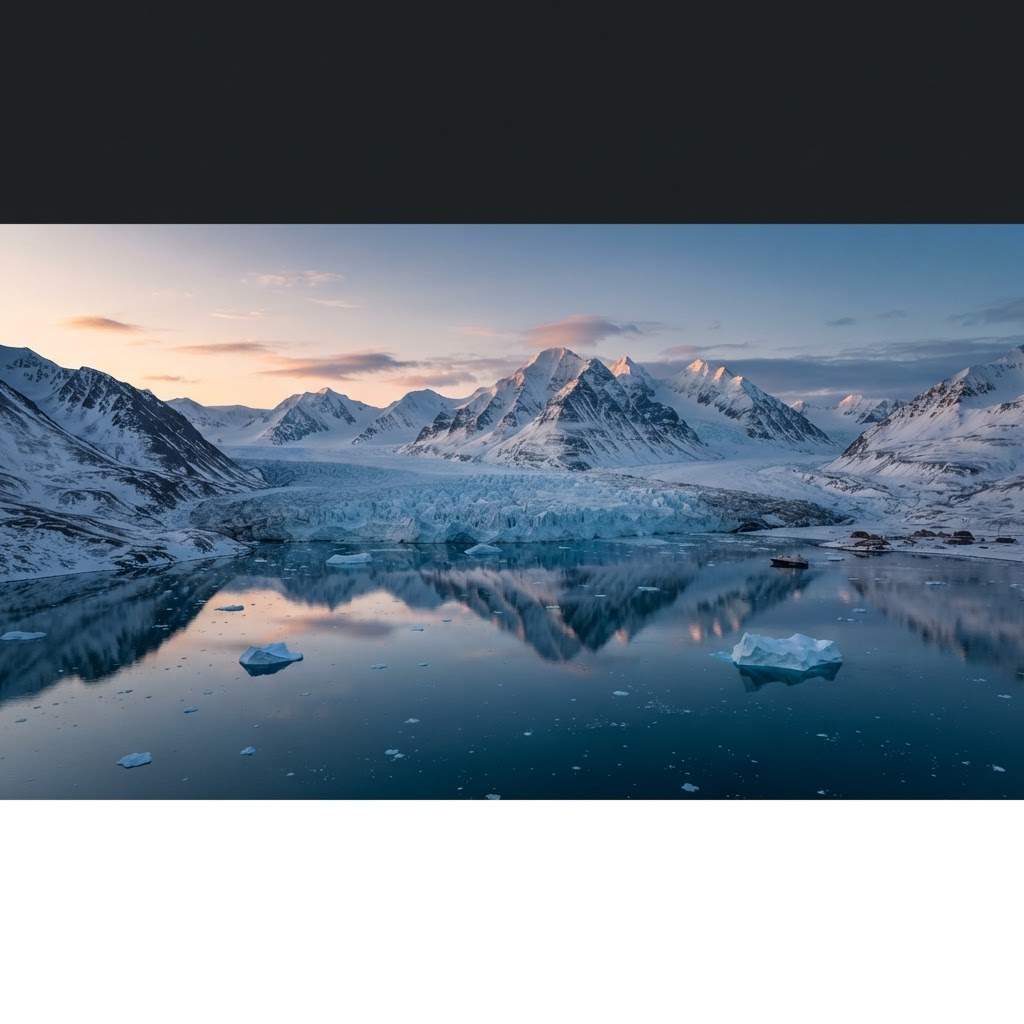
Svalbard serves as the ultimate destination for silence seekers, functioning as a natural acoustic dampener located halfway between mainland Norway and the North Pole. Because 60% of the archipelago is covered by glaciers and there are virtually no trees to create wind-driven noise, the landscape absorbs sound rather than reflecting it. During the polar night, which lasts from late October to mid-February, the absence of bird migration and motorized traffic results in a nearly zero-decibel ambient environment that is rarely found elsewhere on Earth.
Traveling to Svalbard feels like stepping onto another planet. During the polar night, the silence is so profound that it becomes almost tangible. Without the distraction of birdsong or the ambient drone of human machinery, the only sounds you are likely to hear are the crunch of snow beneath your boots or the distant groan of a shifting glacier. It is an environment that commands respect and encourages deep introspection.
Why Svalbard Offers Unique Acoustic Clarity
The scientific reason for the silence in Svalbard lies in its atmospheric conditions and its extreme isolation. The air is remarkably crisp and dry, which affects sound transmission differently than in humid, low-altitude environments. Furthermore, the sheer lack of human infrastructure in the outer reaches of the archipelago ensures that there are no man-made background frequencies to disturb the peace.
Remote Fjords and the Sound of Water
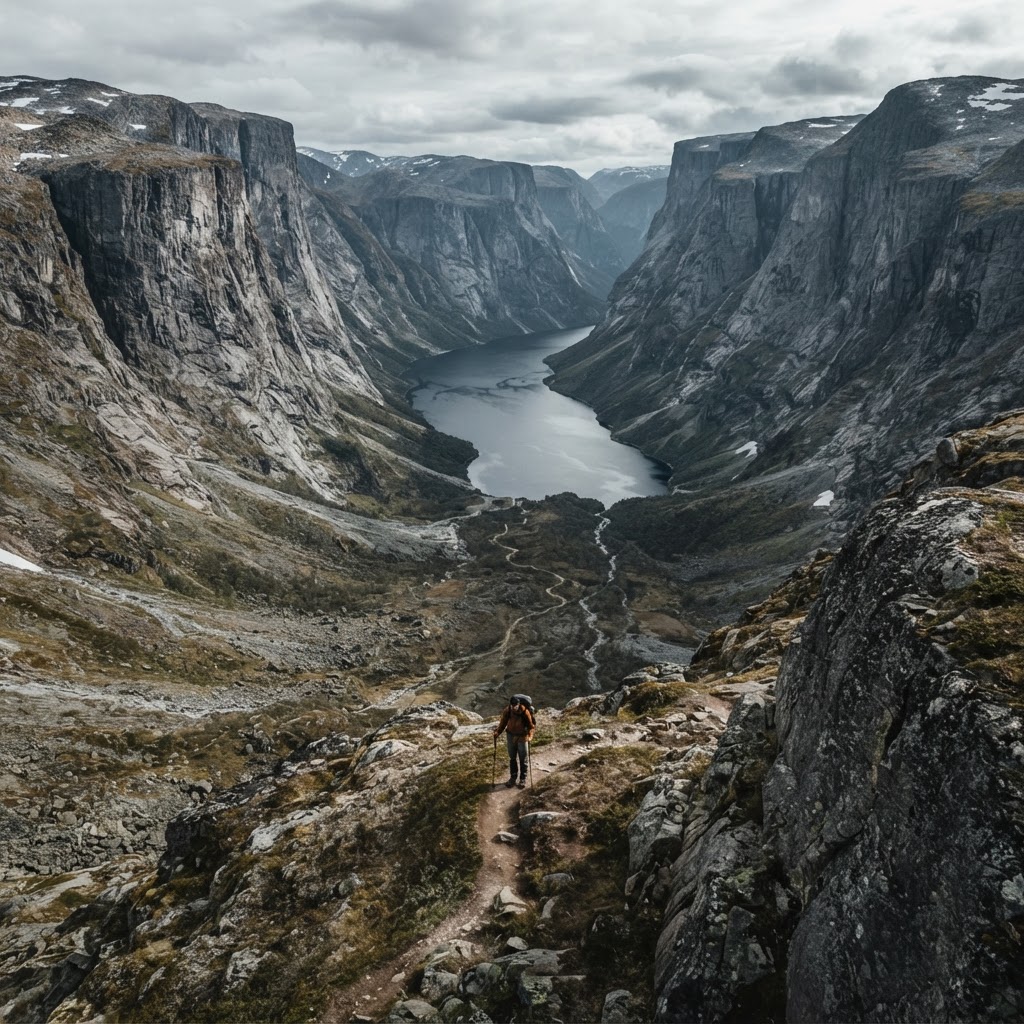
Mainland Norway’s secluded fjords, such as the Nærøyfjord, provide a highly accessible alternative to the Arctic for those seeking a tranquil, nature-focused auditory experience. While the fjords are not “silent” in the absolute technical sense—due to the presence of water movement and occasional wildlife—the scale of the vertical granite walls creates a natural sound buffer that filters out distant traffic noise. By timing your visit during the shoulder season, specifically late September or early May, you can avoid the heavy cruise ship traffic that typically peaks during the July and August months.
While seeking remote silence is rewarding, those who also enjoy a scenic drive might want to explore the iconic Atlantic Ocean Road as part of their broader Norwegian itinerary. In these deep, narrow inlets, the water is often perfectly still, mirroring the vertical granite walls that shoot thousands of feet into the sky. The silence here is punctuated only by the occasional splash of a waterfall or the distant cry of a seagull. It is an auditory environment that resets the nervous system, making it a favorite destination for those seeking meditative travel experiences.
Finding Quiet During the Shoulder Season
To ensure you find the peace you are looking for, timing is everything. The peak summer months bring cruise ships and tour groups that can quickly break the spell of solitude. If you truly want to experience the quietest side of the Norwegian fjords, aim to visit in late September or early May. During these times, the weather is unpredictable, but the crowds are thin, and the landscapes remain untouched by the rush of typical tourism.
The Psychology of Silence and Human Wellbeing
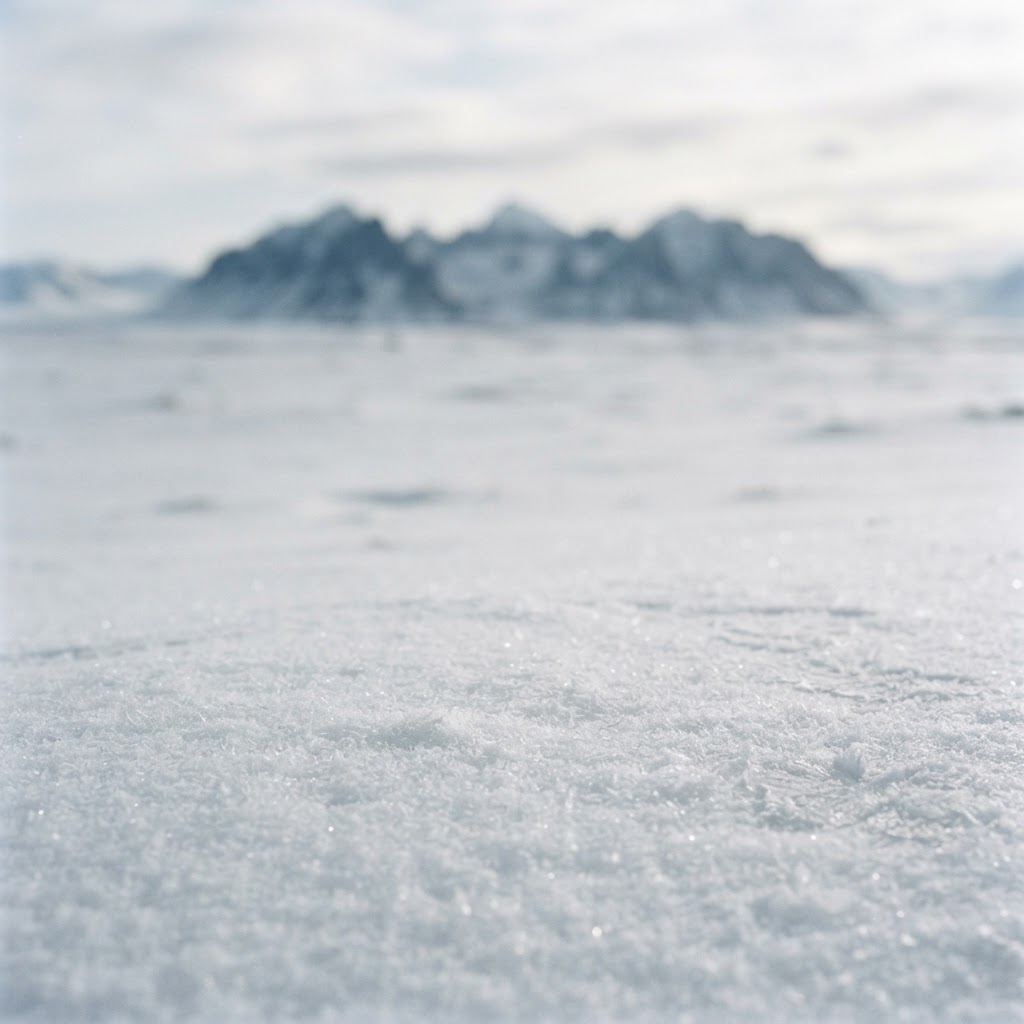
Silence is a critical component for mental restoration, with scientific research indicating that immersion in quiet environments significantly lowers cortisol levels and aids in cognitive recovery from “noise fatigue.” When the brain is no longer bombarded by the constant input of urban stimuli, such as traffic, appliances, and notifications, it enters the “default mode network” (DMN). This state allows for creative thinking and self-reflection, which explains why many travelers report profound clarity of thought while visiting the remote plateaus of the Norwegian tundra.
When we are in a truly silent environment, our brains shift from a state of constant stimulation to a state of internal reflection. This is why many people report having their most creative ideas or profound realizations while standing on a remote mountain plateau in Norway. The lack of external data allows the subconscious to process information more effectively.
Essential Gear for Silent Explorers
Safety is the paramount concern when trekking into Norway’s remote regions, necessitating a balance between minimalist travel and essential survival equipment. Because areas like Svalbard involve terrain where assistance may be over 24 hours away due to weather volatility, carrying a satellite-based communication device is a non-negotiable requirement for any silent explorer. Furthermore, the rapid temperature fluctuations in the Arctic require a layering system that can handle sub-zero conditions even during the late spring.
What to Pack for Arctic Solitude
Embracing the Sounds of Nature
True silence in a wilderness context is not the total absence of sound, but rather the absence of anthropogenic (man-made) noise. As you adjust to these environments, your ears will begin to distinguish between subtle natural phenomena, such as the rhythmic cracking of ice or the specific pitch of wind hitting a mountain pass. This sensory refinement is a return to an ancestral state of awareness, where humans were once finely tuned to environmental shifts as a matter of survival.
When you are in the middle of a remote Norwegian tundra, take the time to sit down for at least thirty minutes. At first, you will find it uncomfortable; your mind will race, looking for stimulation. However, once you push past that initial restlessness, the landscape will start to reveal itself to you in ways you never thought possible. You will begin to hear subtle variations in the wind and the shifts in the snow that you previously would have deemed “nothing.”
Sustainable Tourism in Sensitive Ecosystems
Sustainable practice in Norway’s silent zones involves the strict adherence to the “Leave No Trace” philosophy to protect sensitive Arctic flora and fauna. Because the tundra is slow to recover from foot traffic—with some lichen species taking decades to grow—sticking to marked paths is essential to preserve the acoustic and physical integrity of the area. Visitors should remember that they are guests in a fragile habitat, and maintaining a “ghost-like” presence ensures that the wildlife, such as the Arctic fox or reindeer, is not displaced by human disturbance.
Respecting the silence also means respecting the wildlife. Svalbard is home to polar bears and other sensitive species that rely on the acoustic stability of their environment. By keeping your noise to a minimum and sticking to marked paths, you ensure that these areas remain quiet havens for generations to come. Your presence should be like that of a ghost: seen but never heard.
FAQ
Q: What is the absolute quietest place in Norway?
Svalbard is widely considered the quietest location in Norway. Its lack of trees, minimal human infrastructure, and extreme geographic isolation create a natural sound-absorbing environment that minimizes ambient noise levels more effectively than any other region in the country.
Q: What is the best month to visit Norway for silence?
Late September and early May are the ideal months for seeking solitude. During these shoulder seasons, tourist numbers are at their lowest, and the major cruise ship routes are significantly less active, allowing for a much more peaceful experience in the fjords.
Q: Is it safe to explore the quiet areas of Svalbard alone?
It is generally not recommended to explore remote areas of Svalbard alone due to the presence of polar bears and severe weather risks. You should always carry a flare gun, a satellite communication device, or hire a local guide when venturing beyond the main settlements.
Q: Do I need special gear for silence travel in Norway?
Yes, you should prioritize high-quality wool base layers for temperature regulation and a personal locator beacon for safety. While you might pack noise-canceling headphones for your travel to Norway, they are unnecessary once you reach the wilderness where natural silence prevails.
Q: How does silence benefit mental health?
Silence lowers cortisol levels, which helps reduce physical stress symptoms and improves cognitive function. Removing constant background noise allows the brain to exit a state of constant stimulation and enter a “default mode” that encourages deeper reflection, creativity, and mental rejuvenation.
Practical Considerations for Your Acoustic Pilgrimage
Planning a trip to a destination defined by silence requires a specific mindset. Most visitors arrive expecting total stillness but pack gear that ruins the experience. Leave your drone at home, as the Arctic winds and strict wildlife protection laws make flying them dangerous and illegal in most areas. Instead, invest in high-quality, wind-resistant outer layers. The sound of rustling fabric in a silent landscape is louder than you imagine.
When to Book for Maximum Quiet
Avoid the peak summer months of July and August if you truly seek silence. During this time, the fjords fill with cruise ships that pump low-frequency engine hums into the air for miles. Aim for late October or early November. The tourists have vanished, the snow has arrived to dampen sound, and the long twilight offers a surreal environment for quiet reflection.
Essential Gear Checklist
- A thick, non-rustling wool mid-layer to minimize ambient body noise.
- Sturdy, silent-tread boots to avoid heavy clumping on frozen ground.
- A physical map, as GPS signals can be spotty and require electronic chirps.
- A high-quality thermos to keep your tea hot without needing a noisy portable stove.
Avoiding Common Pitfalls
The biggest mistake travelers make is staying too close to Longyearbyen. While the town offers basic amenities, it functions like any other settlement with snowmobile traffic and machinery. You must head at least ten kilometers outside the town limits to experience the true Arctic void. Always hire a local guide for these excursions. They know which valleys are prone to wind-tunnel effects and which are naturally shielded.
Do not underestimate the danger of the silence. It is easy to walk further than you intended because the lack of auditory feedback tricks your brain about distance. Keep a landmark in your sightline at all times. If you venture out alone, you become a potential target for polar bears. Always carry a flare gun and know how to use it, even if the thought of the noise feels contrary to your trip goals.
Budgeting for the Void
Expect to spend at least 3,000 NOK per day for a mid-range experience. This covers your basic guesthouse, local transport, and a permit for wilderness access. Dining out in Longyearbyen is expensive, with simple dinners easily costing 400 NOK. Shop at the local supermarket for supplies to take into the wild. This saves money and keeps you away from crowded restaurants.
Frequently Asked Questions
Is the silence actually frightening?
Yes, it can be. For many, the sudden absence of background noise triggers a mild fight-or-flight response. Your ears will actively hunt for a sound, which makes your own heartbeat feel loud. Give yourself two full days to adjust to this physiological shift before expecting to feel relaxed.
Can I find silence in the summer?
You can, but it requires much more effort. You must hire a private boat to take you into the remote northern fjords away from main shipping channels. Even then, expect the sounds of calving glaciers and summer bird colonies to dominate the soundscape. True, zero-decibel silence is almost exclusive to the frozen months.
How long should I stay to benefit?
Stay for at least five days. It takes the average city-dweller forty-eight hours to stop habitually listening for traffic or phone alerts. By the third day, your senses sharpen significantly. You will begin to hear subtle nuances in the wind that you previously missed entirely.
Leave a Reply