Lake Garda Summer Escapes: The Ultimate Travel Guide
Lake Garda offers the ultimate summer escape by blending dramatic alpine adventure in the north with Mediterranean-style relaxation in the south. Travelers should choose between the wind-swept, active northern towns like Riva del Garda for water sports or the sun-drenched, historic southern shores like Sirmione for vineyard tours, Roman ruins, and sandy beaches.
Choosing Your Base: Northern vs. Southern Garda
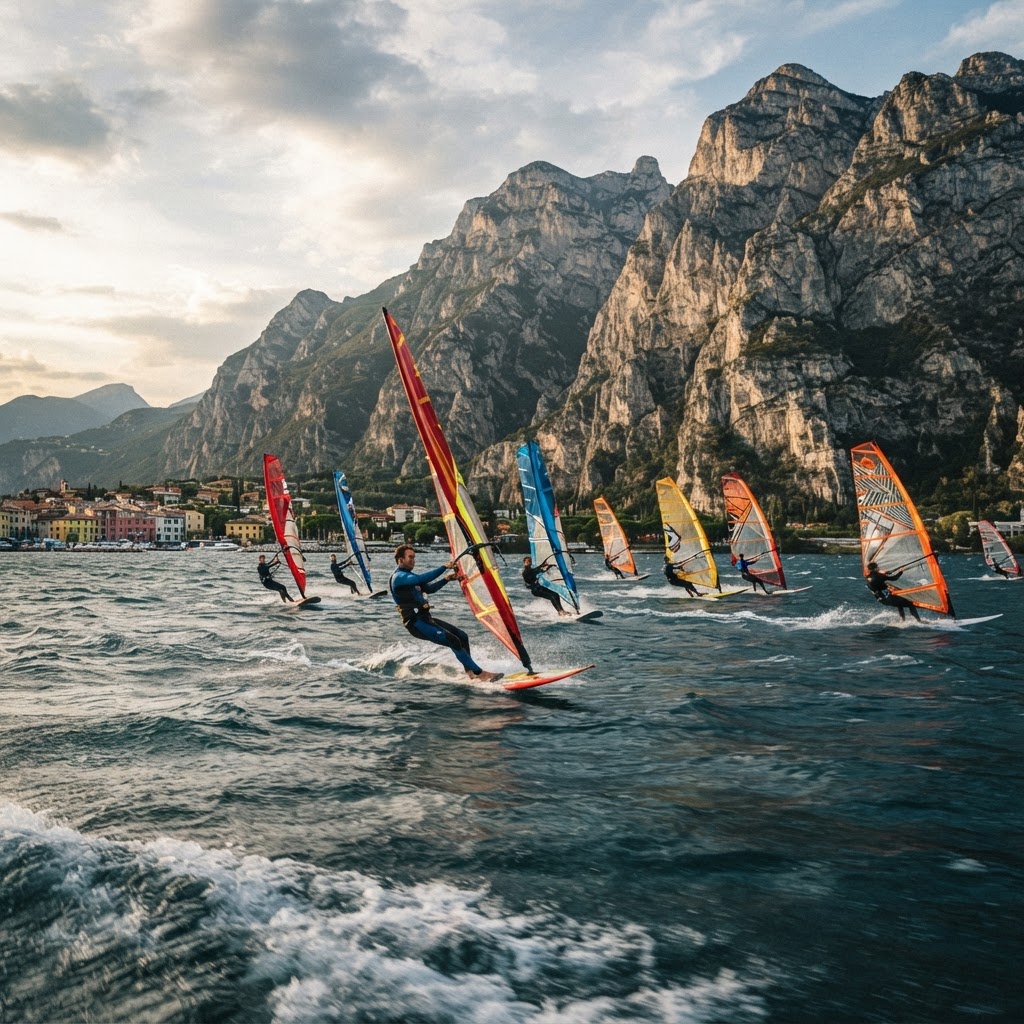
Selecting your base location is the most critical decision for a Lake Garda itinerary because the geography dictates the primary activities and overall vacation atmosphere. The northern end of the lake is narrow and mountainous, dominated by the Rhaetian Alps, which create a cooler microclimate and funnel powerful thermal winds. This area is globally recognized as a premier hub for active tourism, particularly windsurfing and mountain biking. Towns like Riva del Garda and Torbole serve as the primary gateways for these outdoor pursuits. The infrastructure here is heavily geared toward active travelers, offering specialized bike storage, guided mountain excursions, and equipment rental shops.
Conversely, the southern shores are defined by expansive plains, rolling vineyard-covered hills, and a warmer, more temperate climate. This region is the epicenter of the “La Dolce Vita” lifestyle, focusing on leisure, culinary exploration, and cultural sightseeing. Sirmione and Desenzano del Garda are the flagship towns here, providing easy access to Roman historical sites and high-end lakeside dining. The water is generally warmer, and the flatter topography makes it ideal for leisurely cycling or walking between historic villas. Visitors looking for a slower pace, proximity to theme parks like Gardaland, and easy access to major regional transport hubs will find the south more suitable.
Top Must-Visit Towns for Your Itinerary
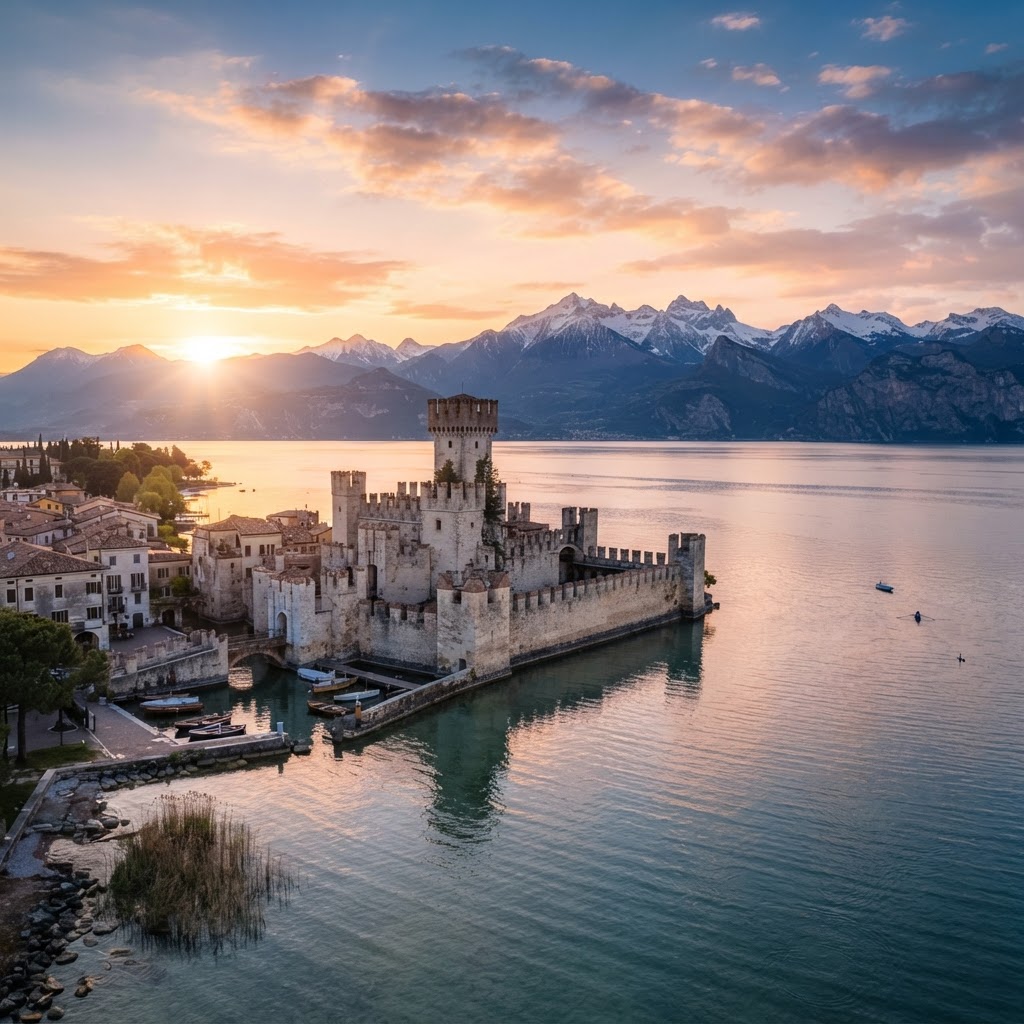
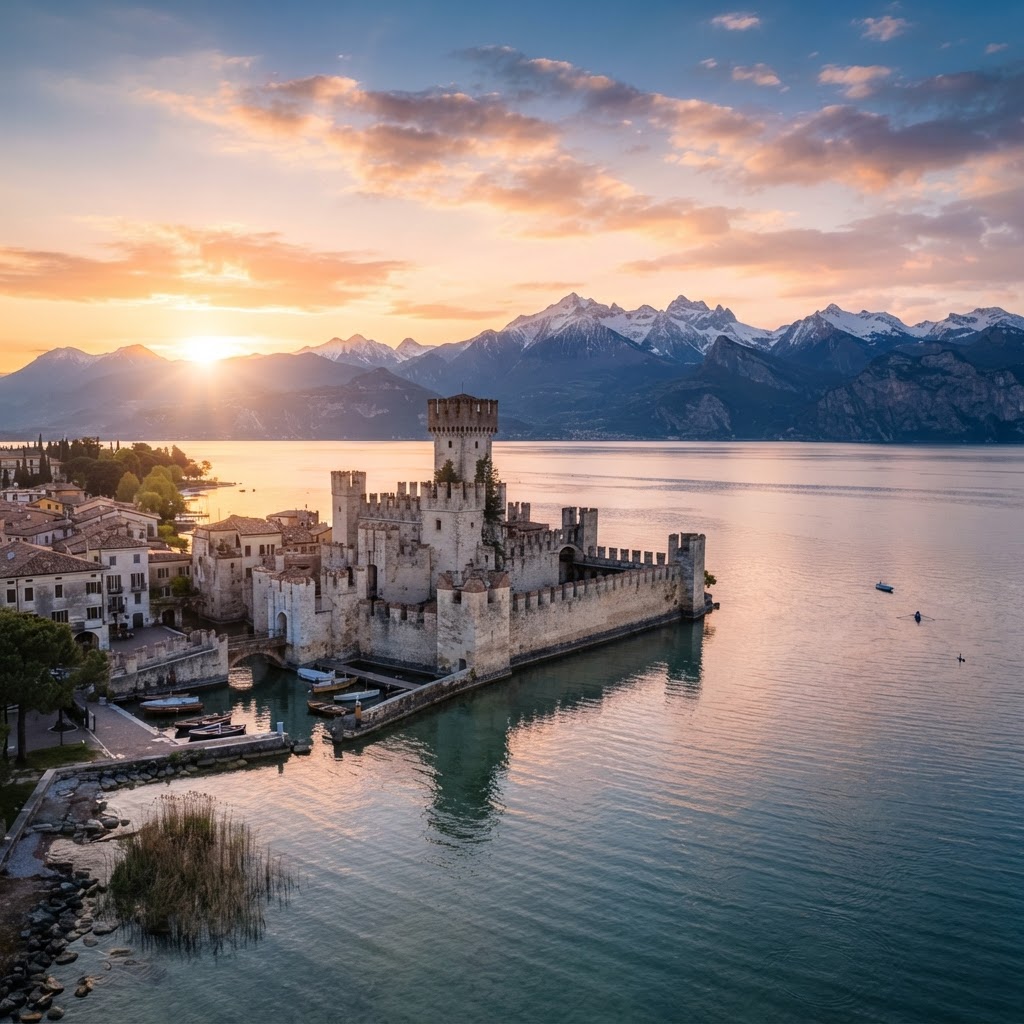
With over 158 kilometers of diverse shoreline, choosing the right destination requires understanding the unique personality of each municipality. Sirmione is arguably the most recognizable town, situated on a narrow peninsula extending into the lake. Its crown jewel is the 13th-century Scaligero Castle, a rare fortified harbor structure that remains remarkably intact. Beyond the castle, visitors can explore the Grottoes of Catullus, the ruins of a massive Roman villa complex that provides panoramic views of the water from a high vantage point. The town also features natural thermal springs, which have been a draw for visitors since Roman times.
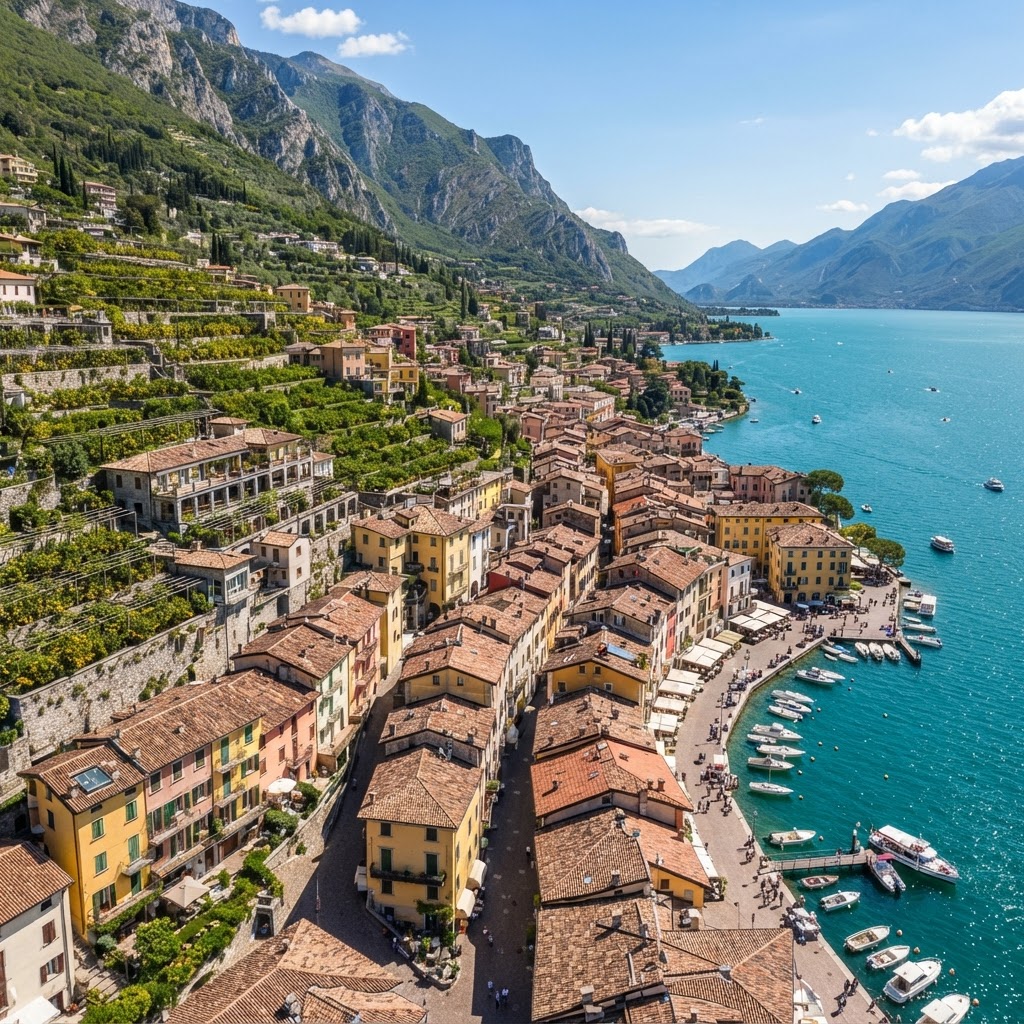
Limone sul Garda, located on the sheer western cliffs, offers a distinct experience focused on historical botanical heritage. The town is famous for its terraced ‘limonaie,’ or lemon houses, which were built to protect citrus trees from the cold alpine winds. These structures are now heritage sites, and walking through the narrow, fragrant alleys provides an authentic glimpse into the region’s agricultural past. For those craving height and alpine views, Malcesine on the eastern shore is unmatched. Its cable car system, which features a rotating floor, ascends 1,760 meters to the summit of Monte Baldo in just 10 minutes. This provides an immediate transition from Mediterranean lakeside weather to a rugged, high-altitude alpine environment, offering views that span the entire lake basin and, on clear days, extend to the distant Po Valley.
Outdoor Adventures and Water Sports
Lake Garda is a premier European outdoor destination, consistently hosting international sailing regattas and mountain biking events throughout the summer months. The northern lake generates reliable thermal winds—the ‘Peler’ in the morning and the ‘Ora’ in the afternoon—which create optimal conditions for water sports enthusiasts. Riva del Garda serves as an excellent central point, featuring numerous schools for beginners and advanced athletes alike. Beyond the water, the region boasts an extensive network of over 1,000 kilometers of marked trails, with professional-grade signage for mountain bikers and hikers.
For travelers seeking a less adrenaline-heavy experience, kayaking allows for the exploration of hidden coves and cliff-side caves that are otherwise inaccessible. Many rental companies operate out of the smaller coastal villages, providing hourly or daily rates. Furthermore, the crystal-clear water, which maintains an average summer temperature between 20°C and 25°C, is highly rated for its cleanliness. Respecting the ecosystem is essential, and visitors are encouraged to use marked swimming zones and avoid disturbing the local aquatic wildlife, particularly in protected areas near the lake’s smaller islets.
Culinary Delights of the Region
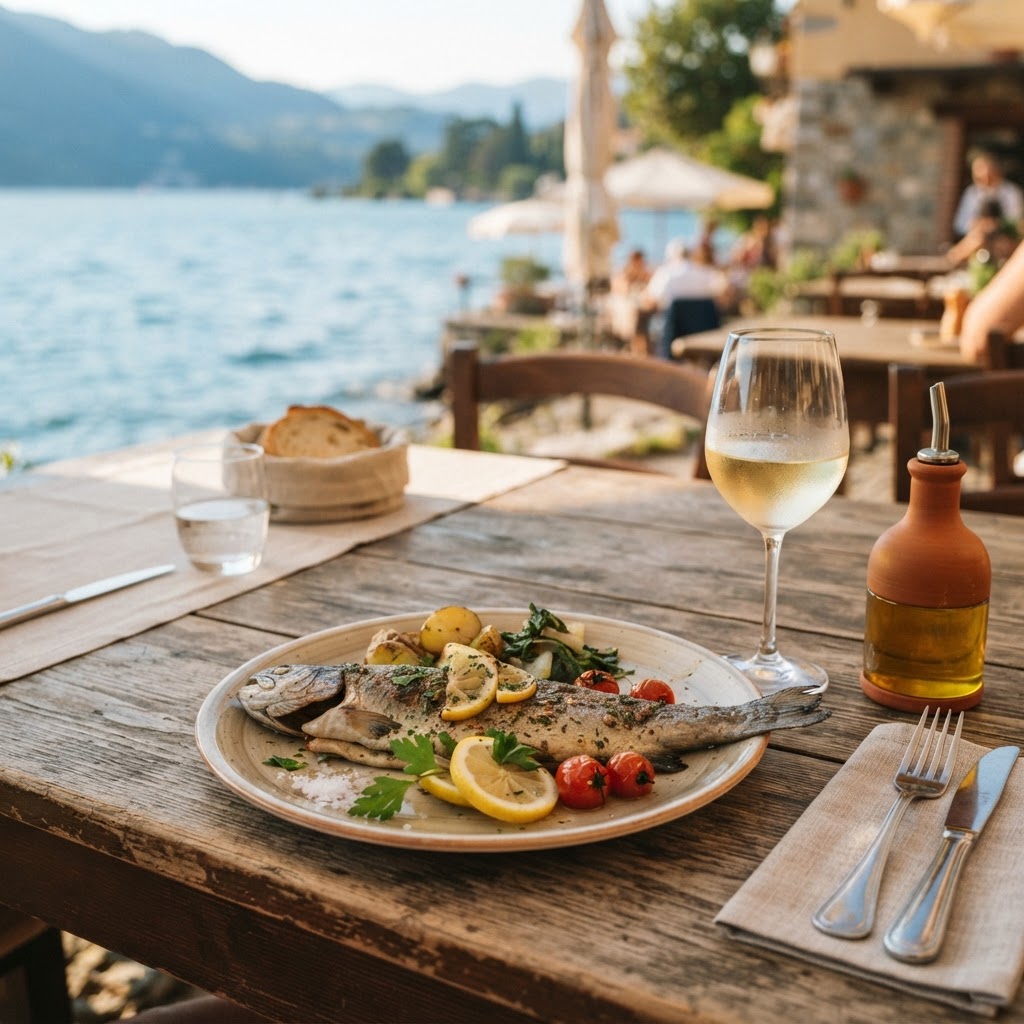
Gastronomy in Lake Garda is defined by its unique microclimate, which allows for the cultivation of olive oil and wine varieties found nowhere else in Northern Italy. The local Garda DOP Extra Virgin Olive Oil is exceptionally light and delicate, produced from olives grown on the northernmost fringe of the Mediterranean climate zone. This oil is a staple in local dishes, often drizzled over freshwater fish such as carpione (trout) or coregone (whitefish), which are traditional staples of the regional diet.
Wine lovers should prioritize the eastern and southern hinterlands, specifically the Bardolino and Lugana viticultural regions. Bardolino is known for its light, ruby-red, drinkable wine, while the Lugana region, situated near Sirmione, is world-renowned for its crisp, mineral-rich white wines made from the Turbiana grape. Visitors can experience these products through organized vineyard tours, which typically cost between €20 and €40 per session and include guided tastings. Many local trattorias emphasize a ‘km 0’ philosophy, sourcing ingredients from within a few kilometers of the kitchen. Dining here is a slower, more deliberate process, with meals often lasting two hours or more, reflecting the regional commitment to high-quality, locally sourced ingredients and leisurely social engagement.
Planning Your Travel Logistics
Navigating Lake Garda requires a strategic approach, as the coastal roads are famously narrow and peak-season traffic can cause significant delays. Public transportation is highly developed; the ‘Navigarda’ ferry system is the most scenic way to traverse the lake, with daily passes allowing for unlimited hops between major towns. These ferries are efficient for pedestrians, but they can reach capacity during July and August, so travelers should aim to arrive at the docks at least 30 minutes before departure.
If you rent a car, you must be prepared for the realities of the Gardesana road, a spectacular but challenging route that tunnels through cliff sides. Parking is the most significant logistical hurdle, with rates in popular towns like Sirmione often exceeding €20 per day. To maximize your time, park your vehicle at your hotel and utilize the integrated bus network (such as the Arriva line) for daily excursions. For those traveling by rail, Desenzano del Garda and Peschiera del Garda are connected to the high-speed Trenitalia network, making it possible to arrive from Milan or Venice in under 90 minutes. Always validate your bus or train tickets before boarding to avoid heavy fines from local transit authorities.
Cultural Festivals and Summer Events
Lake Garda is host to a vibrant calendar of summer events that showcase the cultural heritage of the surrounding provinces of Verona, Brescia, and Trento. The ‘Sagre’ are localized food festivals held in town squares, where community volunteers prepare traditional recipes like ‘bigoli’ (a thick, handmade pasta) or grilled sardines. These events typically happen on weekends and offer a much lower price point than restaurants, often featuring live folk music and community dancing.
For a more formal cultural experience, the nearby Arena di Verona hosts its world-famous Opera Festival from June through September. This is a bucket-list event for many, requiring tickets to be booked months in advance. Additionally, the lakeside towns frequently host outdoor concert series, art exhibitions, and firework displays to celebrate Ferragosto (August 15th). Checking the official ‘Visit Garda’ tourism portals at least one month before your trip will provide the most accurate schedule of these events. Many local markets also offer antique, craft, and food stalls on rotating days of the week, which are excellent for finding unique, non-mass-produced souvenirs.
Tips for Sustainable Tourism
Preserving the delicate ecological balance of Lake Garda is a priority for local municipalities, and visitors are expected to adhere to sustainable travel practices. The most effective contribution a traveler can make is to minimize plastic waste by utilizing the numerous public water fountains found in every town square; the water is local, cold, and entirely safe to drink. When hiking, stick strictly to marked trails to protect the fragile alpine flora on Monte Baldo and the surrounding ranges. Supporting local businesses is equally important—prioritize small family-run ‘osterias’ and artisan workshops over international retail or hotel chains to ensure your tourism spend directly supports the regional economy.
Towns like Lazise and Bardolino have implemented pedestrian-only zones in their historic centers, which significantly improves air quality and the overall guest experience. Embrace these car-free areas by renting bicycles for local transit. By opting for a lower-carbon footprint through ferry and bike travel, you not only avoid the stress of parking but also gain a much better appreciation of the landscape. Sustainability is not just about environmental protection; it is about ensuring that the authentic character of these historic towns remains intact for future visitors.
FAQ
Which part of Lake Garda is best for first-time visitors?
Sirmione in the south is generally the best starting point for first-time visitors because it features iconic historical landmarks, sandy beaches, and excellent transport connections. It offers the quintessential “lakeside Italy” experience while being close to regional rail hubs like Desenzano.
When is the best time to visit Lake Garda for good weather?
June and September offer the best balance of warm, pleasant weather and manageable crowds. While July and August provide the hottest temperatures for swimming, they are also the peak tourist months, often resulting in heavy traffic on the coastal roads and higher accommodation prices.
Do I need a car to get around Lake Garda?
A car is not necessary for most travelers and can actually be a hindrance due to expensive parking and narrow roads. The public ferry system (Navigarda) and regional bus lines are highly efficient, scenic, and connect all the major tourist towns reliably during the summer season.
Is Lake Garda suitable for family vacations?
Lake Garda is exceptionally family-friendly, particularly the southern regions which host large theme parks like Gardaland and Movieland. The lake’s clear, calm water and numerous public beaches make it an ideal destination for families with children of all ages looking for a mix of fun and relaxation.
What should I pack for a summer trip to Lake Garda?
Pack a mix of casual resort wear for the daytime and slightly more polished clothing for evening dinners. Include sturdy walking shoes for cobblestone streets, a light rain jacket for sudden alpine weather changes, and swimwear for the lake’s many accessible beach areas.
Leave a Reply